
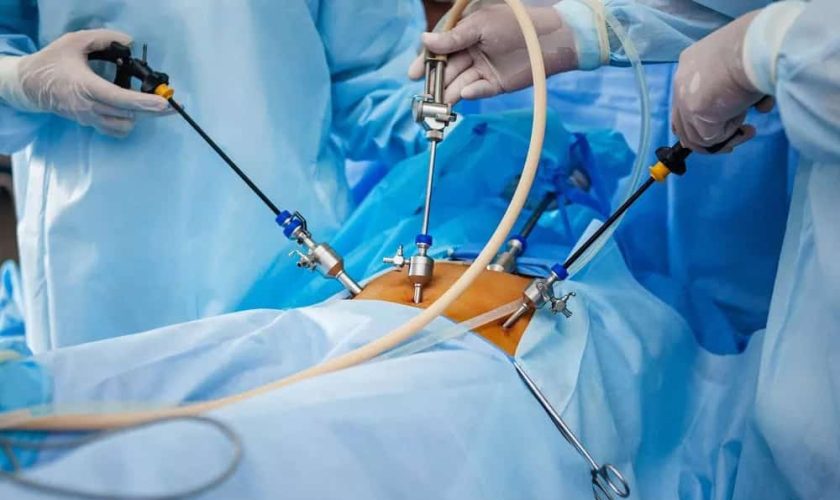
Endoscopy is a crucial diagnostic and therapeutic procedure that allows doctors to examine internal organs using a flexible tube equipped with a light and camera. It helps detect, diagnose, and sometimes treat medical conditions without the need for open surgery.
However, one of the most common concerns among patients is the cost of endoscopy, which can vary widely depending on the type of procedure, location, and healthcare facility. Understanding the breakdown of these costs can help patients prepare financially and make informed healthcare decisions.
What Determines Endoscopy Costs?
The total endoscopy cost depends on several factors, including the type of endoscopy, hospital or clinic fees, professional fees, anesthesia, and additional laboratory or biopsy costs. Facility type plays a major role — procedures performed in hospitals are typically more expensive than those done in outpatient or specialized diagnostic centers.
The use of anesthesia also affects the overall cost, as anesthesiologist fees and medication costs are added. Highly specialized gastroenterologists or surgeons may charge higher professional fees, while insurance coverage can significantly reduce out-of-pocket expenses if the procedure is deemed medically necessary. Being aware of these factors helps patients anticipate potential expenses and avoid unexpected medical bills.
Upper Endoscopy (Esophagogastroduodenoscopy or EGD)
An upper endoscopy examines the esophagus, stomach, and upper part of the small intestine to diagnose conditions such as ulcers, acid reflux, and gastrointestinal bleeding. On average, the cost of an upper endoscopy ranges from $800 to $3,000 without insurance. In some outpatient centers, the price may be lower, particularly if no biopsy is needed.
If the procedure includes tissue sampling or therapeutic interventions like polyp removal or dilation, the cost can increase. Patients can save money by comparing prices among accredited clinics or checking if their insurance includes coverage for diagnostic endoscopies.
Colonoscopy
A colonoscopy is one of the most common endoscopic procedures and is performed to screen for colorectal cancer, detect polyps, and investigate causes of abdominal pain or rectal bleeding. The cost of a colonoscopy typically ranges from $1,000 to $3,500, depending on the facility and whether a biopsy or polyp removal is performed.
In public hospitals or government health programs, the procedure may be subsidized or partially covered by insurance, reducing the total expense. For patients without insurance, outpatient diagnostic centers usually offer more affordable options compared to large hospitals.
Bronchoscopy
Bronchoscopy allows doctors to view the airways and lungs using a thin tube inserted through the nose or mouth. This procedure helps diagnose chronic cough, infections, or lung diseases. The typical cost ranges between $1,500 and $4,000, depending on whether sedation or general anesthesia is required. Advanced techniques, such as endobronchial ultrasound (EBUS), can further increase the cost due to the use of specialized equipment and imaging technology.
Cystoscopy
Cystoscopy is used to examine the bladder and urethra, often performed to diagnose urinary tract issues, recurrent infections, or bladder tumors. The average cost falls between $700 and $2,500, depending on the setting and the complexity of the procedure. Flexible cystoscopy, which is done under local anesthesia, is generally less expensive than rigid cystoscopy performed in an operating room under general anesthesia.
Laparoscopy
Laparoscopy is a minimally invasive surgical procedure that allows doctors to view organs in the abdomen and pelvis. It is commonly used to diagnose or treat conditions such as endometriosis, ovarian cysts, and gallbladder problems. Because it is a more complex form of endoscopy, the cost is higher, averaging $5,000 to $10,000. The price includes operating room fees, anesthesia, and possible overnight hospital stay.
Capsule Endoscopy
This modern diagnostic technique involves swallowing a small capsule containing a camera that captures images as it travels through the digestive tract. Capsule endoscopy is primarily used to detect bleeding or lesions in the small intestine that cannot be reached by traditional scopes. The cost typically ranges from $1,000 to $2,500, depending on the facility and analysis fees.
Ways to Save on Endoscopy Costs
Patients can manage costs by checking if their health insurance covers the procedure, especially when it is medically necessary. Comparing prices across hospitals and outpatient centers can also help find more affordable options. Some healthcare facilities offer package deals that include the doctor’s fee, anesthesia, and pathology costs. Additionally, government hospitals or public health programs may provide significant discounts or partial subsidies for diagnostic endoscopies.
Conclusion
Endoscopy is an invaluable tool in modern medicine, allowing doctors to detect and treat conditions early with minimal invasiveness. While the costs can vary based on the type of procedure, facility, and insurance coverage, understanding these differences helps patients make informed decisions and budget wisely. Whether you need a simple diagnostic endoscopy or a more advanced procedure like laparoscopy, knowing what to expect financially ensures that you can focus on your health with peace of mind.