Nutrition plays a crucial role in maintaining eye health and supporting recovery after surgery. An anti-inflammatory diet can reduce oxidative stress, protect delicate eye tissues, and improve overall visual function.
Many people overlook how what they eat directly impacts the eyes, both before and after corrective procedures.
Incorporating nutrient-rich foods into daily meals helps prevent chronic eye conditions and supports faster healing following surgery.
Understanding the link between diet, inflammation, and eye health allows patients to make informed choices that enhance both recovery and long-term vision quality.
Anti-Inflammatory Diet and Eye Health
An anti-inflammatory diet focuses on foods that reduce inflammation and provide essential nutrients for the eyes.
Leafy greens, colorful vegetables, and fruits contain antioxidants that protect the retina and lens from oxidative damage.
Omega-3 fatty acids found in fatty fish, walnuts, and flaxseeds help maintain tear production and reduce dryness.
Vitamins A, C, and E contribute to tissue repair and improve resistance to age-related eye conditions.
Many individuals complement dietary choices with modern eye surgery solutions to address structural vision issues. Combining proper nutrition with surgical interventions ensures optimal recovery and long-term visual performance.
Foods That Support Vision
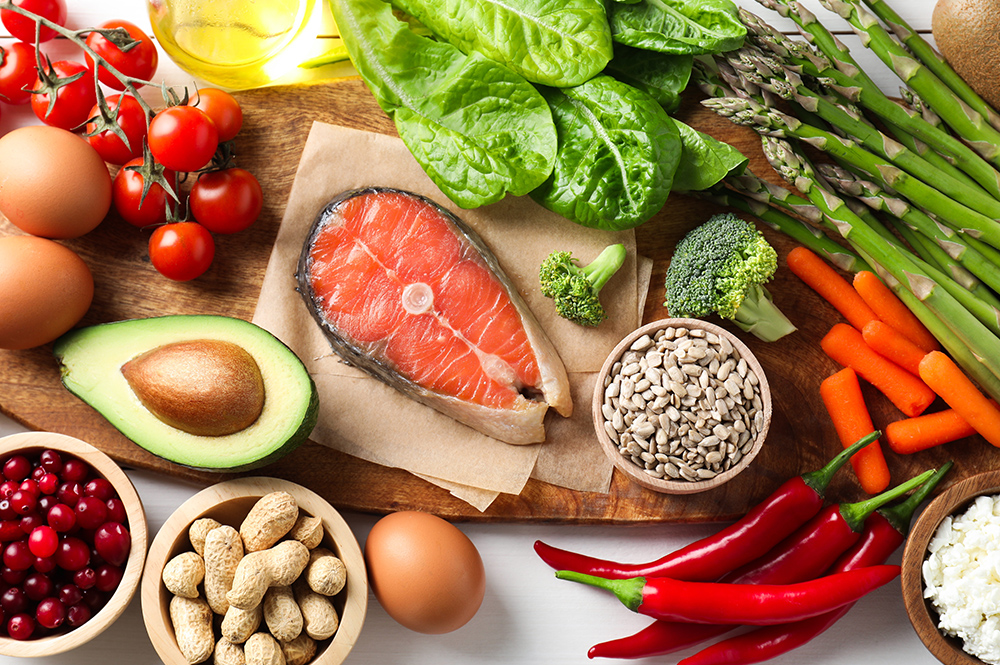
Certain foods have been shown to support vision and overall eye health. Carrots, spinach, kale, and other leafy vegetables contain lutein and zeaxanthin, which filter harmful blue light and improve retinal function.
Citrus fruits, berries, and bell peppers provide vitamin C to strengthen blood vessels in the eyes. Nuts and seeds deliver vitamin E to reduce oxidative stress, while whole grains promote healthy circulation, supporting the optic nerve.
Incorporating these foods into daily meals strengthens the eyes, reduces strain, and provides a solid foundation for maintaining vision after surgical procedures.
Nutrition for Eye Surgery Recovery
Eye surgery recovery can be enhanced through proper nutrition. Anti-inflammatory foods reduce swelling, accelerate healing, and improve comfort during the post-operative period.
Hydration is equally important, helping maintain tear film and preventing dryness. Lean proteins, such as fish, eggs, and legumes, supply the body with amino acids essential for tissue repair.
Patients who follow dietary guidance from medical professionals often recover faster and experience fewer complications.
Consulting an expert vision correction care provider ensures patients receive comprehensive recommendations that combine surgery and nutrition for optimal results.
Lifestyle Habits That Support Eye Health
Alongside an anti-inflammatory diet, lifestyle habits reinforce eye health. Limiting screen time, practicing good lighting habits, and wearing UV-protective eyewear reduce strain and damage.
Regular physical activity improves blood flow, delivering oxygen and nutrients to ocular tissues. Sufficient sleep allows the eyes to repair and reduces fatigue.
Together with diet and professional care, these habits form a comprehensive approach to functional, long-lasting vision.
Preventive Measures for Long-Term Vision
Preventive measures complement anti-inflammatory nutrition and surgical care. Routine eye exams detect early changes and allow timely interventions before issues progress.
Monitoring for conditions like glaucoma, cataracts, or macular degeneration ensures that patients maintain healthy eyesight throughout life.
Combining preventive care with nutrient-rich diets and proper post-surgical recovery strategies maximizes long-term benefits.
Strong vision supports independence, productivity, and overall quality of life. Taking a proactive approach protects eyes from age-related decline and reduces the need for future corrective procedures.
Benefits of Combining Nutrition and Surgery
Combining anti-inflammatory nutrition with modern surgical techniques provides holistic support for the eyes. Nutrient-dense meals reduce oxidative stress, while surgical interventions correct structural problems that diet alone cannot address.
Patients experience faster recovery, less inflammation, and improved visual clarity.
Long-term adherence to an eye-healthy diet helps maintain the benefits achieved through surgery, reducing the risk of future complications.
Professional guidance ensures that nutrition and surgical care work together for optimal results.
Conclusion
Anti-inflammatory nutrition plays a vital role in supporting eye health and enhancing recovery after surgery.
Foods that support vision, combined with a nutrient-rich, balanced diet, reduce inflammation and protect eye tissues.
Utilizing modern eye surgery solutions alongside guidance from expert vision correction care providers ensures both structural and functional improvements.
By integrating proper nutrition, lifestyle habits, and professional care, individuals can maintain clear, healthy vision and achieve long-term eye health benefits.