close

Delaney Gislason

Health

What Really Happens During a Root Canal

There are a few dental cases where you may require a root canal treatment to preserve your oral health. Usually, your provider recommends a root canal when you have an infection or tooth injury. The treatment prevents the further spread of the infection to healthy teeth, lowers the risk of jawbone degeneration, and improves the teeth’s appearance.

Your provider recommends a root canal to preserve your teeth and avoid extraction. If you have a damaged or infected tooth, you can benefit from root canals in Houston. Call The Dental Design Studios today to schedule your consultation.

What are root canals?

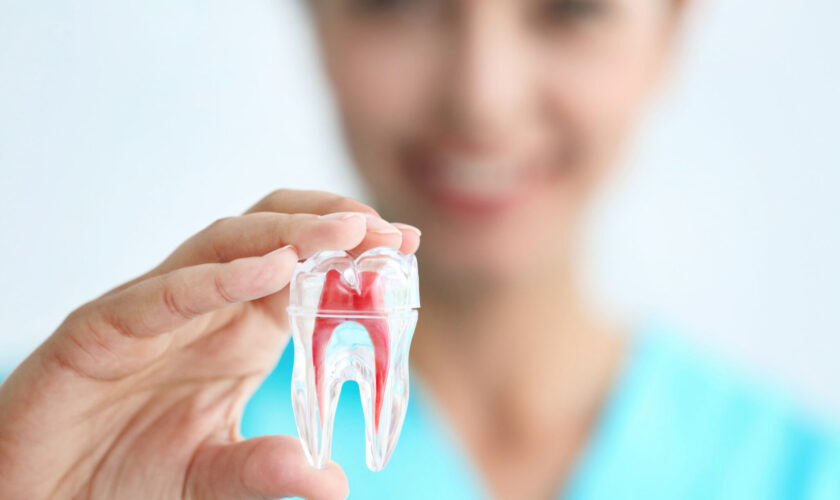
Root canals are an endodontic treatment to conserve an infected or injured permanent tooth. The procedure involves your provider removing the soft center of your tooth, the pulp. A skilled dentist in Barrie, ON will explain that the pulp is only helpful while your teeth develop; however, it does not provide any other benefits afterward.

After the pulp removal, place a crown to cover your teeth cap and enhance teeth functions, including chewing, biting, and stopping further harm.

What dental issues do root canals fix?

Your provider recommends a root canal to treat infected and destroyed tooth pulp caused by:

  • Oral trauma
  • Deep cavities
  • Multiple dental procedures such as fillings or bonding
  • Chips or fractures

During the developing stage, an infected pulp may not cause any symptoms. But as the problem advances, you may feel a heat sensation in your gums, pain, or swelling that does not go away with over-the-counter medications or ice.

What does a root canal procedure involve?

A root canal treatment at The Dental Design Studios involves two appointments with a week gap.

The first appointment

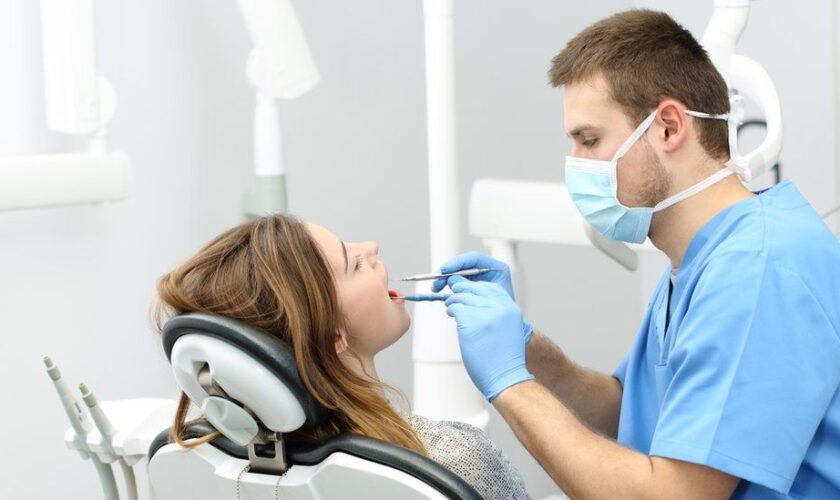
Your provider first performs an oral exam and asks questions regarding your symptoms. Then takes multiple oral X-ray images to review your tooth and find out the extent of the infection.

Dr. Hernandez then administers local anesthesia to prevent discomfort. She reaches the damaged tooth and gently removes the pulp. Next, she rinses the tooth center with an antibiotic solution. The solution removes harmful bacteria and minimizes the risk of another infection.

Then she fills up the tooth with a sponge-like material, gutta-percha. After the gutta-percha dries, she takes your tooth impressions. Next, she sends the impressions to a lab to design a custom crown.

When leaving the office, Dr. Hernandez places a temporary crown on the treated tooth.

Second appointment

You return to The Dental Design Studio office a week later, where your provider removes the temporary crown and replaces it with a permanent one. She then fixes the crown in place, evaluates your bite, and provides care instructions.

What to expect during recovery?

You can expect to experience some swelling and elevated sensitivity after the root canal treatment. It would be best to avoid biting down or chewing within the first few days of your treatment. You should also take the prescribed medications and brush and floss gently around the treated part.

Talk to a root canal specialist today

Root canals help preserve your oral health without having to extract damaged teeth. The treatment also prevents the infection from spreading to the adjacent teeth. Contact The Dental Design Studio today to learn more about a root canal procedure.
read more
DentalHealth

How to Choose the Right Dentist for Your Needs

Dentists are critical medical professionals who help keep teeth, gums, and the surrounding oral tissue clean and healthy. Many people do not think about their dentist until they need them for treatment or to make an appointment. As Ms. Sofiya Shimonova Brooklyn says, this is because we often overlook dental needs before something goes wrong. Many people never have a dentist they can go to, so they need to find one every time they need treatment. Here are some key things you need to look for when searching for a dentist.

  • Qualifications

To begin with, you need to know how qualified a dentist is before ever consulting them. Dental qualifications are necessary because they tell you about the training and experience of your dentist in question. Not all dentists have been trained equally. Some may work in general practice, while others focus on specific areas such as pediatrics or orthodontics.

  • Location

You also need to know where a dentist is located. Like any other professional, a dentist needs a certain level of proximity for you to visit them quickly and set up consultations on time. In this case, it is helpful to have your dentist near home or work so you can have regular appointments without spending too much time on the road. Of course, you also need to know how far a few miles are because your dentist needs to be close enough for you not to wait too long or pay extra. For patients with missing teeth, convenient access to treatments like snap on dentures in Fresno can make restoring your smile much easier.

  • Insurance And Fees

There is no point consulting a dentist you cannot afford, or one who does not accept your insurance policy, because it will be impossible to see them again. They will also not be able to provide treatment anyway. For example, if you have dental insurance but your dentist does not work with that company, your insurance provider will not reimburse you if you pay out of pocket.

  • Services Offered

Ensure the dentist you are consulting offers all the services you need for your teeth and gums. For example, diagnostic services prove very helpful in identifying problems early on, so an x-ray or two can go a long way. As such, you need to know what services your dentist is offering so they can answer all of your questions without any problem.

  • Reviews and Testimonials

Finally, you should never trust a dentist just because their office looks nice or because they have all the latest equipment. This makes it seem like your dentist is more interested in making money than providing effective treatment. That’s why the best way to go about selecting a good dentist is by checking online customer reviews and testimonials. These sources will give you an honest perspective on how the dentist in question performs their job and what you can expect from them in terms of quality, services, etc.

In summary, you need to know what to look for in a dentist before booking an appointment. It is critical you go with someone qualified, experienced, and who offers the services you require. By searching these criteria, you will find the best dentist near your area quickly and without too much trouble.

read more
DentalHealth

Smile Makeover Made Easy with Full Reconstruction

Missing teeth, tooth decay, and crooked teeth can prevent you from achieving a stunning smile. Missing teeth can also lead to severe complications such as bone loss and gum recession. Dr. Sean S Pierce DDS offers personalized complete mouth reconstruction procedures that enhance your smile and restore the functioning of your teeth.

What is a full mouth reconstruction?

Full mouth reconstruction refers to the cosmetic process of replacing and rebuilding all your permanent teeth. The experts combine several cosmetic aesthetics with improving the function, beauty, and health of your mouth. People with severe trauma, dental diseases, or oral infection due to decay can benefit from full mouth reconstruction. Before designing a personalized treatment plan, your provider reviews your dental health history and discusses your smile goals and expectations. Dr. Pierce uses this information to recommend the most appropriate and effective procedure to meet your expectations. The professional team at Pierce Robotics focuses on delivering excellent results that surpass your expectations. A skilled Smithfield dentist can also provide comprehensive full mouth reconstruction tailored to restore both function and aesthetics.

What procedures make up a full mouth reconstruction?

Dr. Pierce creates personalized full mouth reconstruction plans depending on your unique needs. He may perform an oral exam to determine the defects of your mouth before recommending a series of procedures to help you achieve a brilliant smile. Your treatment plan may include:

  • Dental implants

Dental implants refer to artificial tooth roots that provide a firm foundation for your crowns. They are natural-looking and blend in with your natural teeth. Dental crowns replace missing teeth, restoring your stunning smile.

  • Dental bridges

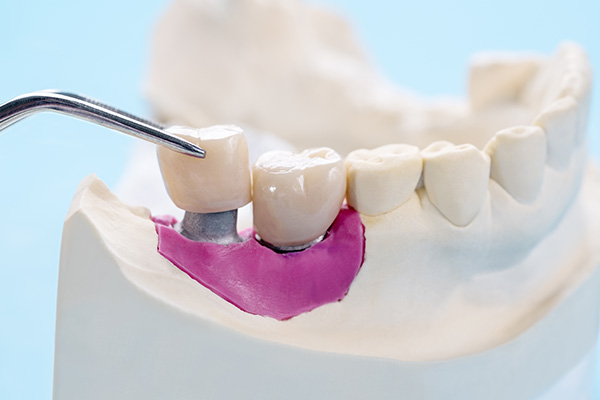
A dental bridge replaces a missing tooth and prevents severe dental complications such as loose teeth, bone loss, or gum recession.

  • Teeth whitening

The dental experts at Pierce Robotics offer Mavrik TheraSmile Whitening. This whitening technique makes your teeth several shades brighter and is friendly to your tongue and gums. Teeth whitening eliminates pigmentations on your teeth, giving you a vibrant smile.

  • Crowns

A crown refers to a dental restoration covering a dental implant to prevent gaps in your smile. You may also consider a dental crown if you have severe tooth decay to prevent further damage to the tooth.

Who is eligible for full mouth reconstruction?

A full mouth reconstruction is perfect for people with tooth care, dental trauma, missing teeth, and tooth discoloration. If you have severely worn-out teeth due to sports injuries or grinding, you can also consider this aesthetic procedure. The main goal is to restore or improve the functioning of your teeth and enhance your smile aesthetics.

What should you do after a full mouth reconstruction?

After a full mouth reconstruction, Dr. Pierce may give you a set of instructions to help you maintain the results for a more extended period. He may advise you to adopt good oral hygiene by brushing and flossing regularly. He may also recommend visiting a dentist half-yearly for professional teeth cleaning and oral exams. If you play sports or have a habit of grinding your teeth, he may recommend wearing a mouthguard. Additionally, you may need to avoid unhealthy habits such as opening bottles with your mouth and chewing ice.

Call the Pierce Robotics office for a full mouth reconstruction to enhance your smile.

read more
DentalHealth

Why Restorative Dentistry Is Here to Stay

Restorative dentistry is a perfect example of how the field is changing. There are now more options for patients than ever before. There have been advances in technology and materials that have improved dental care significantly, and the profession as a whole has become more specialized over time. For many people in Fairfield, CA, restorative dentistry offers an opportunity to fix their smiles and improve their oral health. Look for a perfect specialist in restorative dentistry in Fairfield, California. Here are four reasons why restorative dentistry experts are essential.

Filling Empty Spaces

Dental restoration procedures can give patients back their smiles after tooth loss or injury. It is especially important because smiling makes you look younger and healthier. If you are missing teeth, it can significantly reduce your quality of life, which is why restorative dentistry has become so crucial for people who have lost their smiles to accidents or disease. A trusted Mississauga general dentist can provide a range of restorative options to rebuild both function and confidence.

Instead of living with missing teeth, people can replace them. This gives them back their beautiful smile and restores confidence lost when they cannot properly chew or speak. Whether the gap left by the tooth loss is small or large, it can be difficult for patients to adjust.

The Aesthetics Aspect

Aesthetics are an essential part of restorative dentistry. It can be difficult for anyone to smile and feel good when they lack a beautiful smile, but this is especially true for people who already suffer from low self-esteem or lack confidence in themselves.

With the help of dental implants and crowns, teeth can no longer be shifting or turning. When you smile, your teeth feel perfect and secure, even if you have had a long time of tooth loss. Patients who are self-conscious about their smile can finally enjoy smiling again because they know that their smile looks great.

Durable Materials for Tooth Replacements

Materials used to make mouthguards are durable enough for athletes. Restorative dentistry procedures are vital because they can fix your teeth long-term. You no longer need to worry about replacing fillings or crowns that were once used to replace missing teeth or seal up cavities. 

This is especially true for dental implants made from titanium, stronger than bone and other materials on the market. While implants have been around for a long time, new materials have made them more secure and durable than ever before.

It’s Safe and Reliable

Restorative dentistry procedures are safe and reliable. This is especially true when you choose a dental practice that uses state-of-the-art technology and equipment to produce beautiful results that last for years. The advanced materials used in restorative dentistry mean that patients no longer have to worry about cavities or to have their fillings replaced.

If you’ve been struggling with your smile, find a dental practice that uses the latest techniques and materials to help you get back your beautiful smile. Restorative dentistry can make you feel better about yourself and improve your oral health.

Restorative dentistry is a perfect example of how the field is changing and has become more specialized over time. For many people, restorative dentistry offers an opportunity to fix their smile and improve oral health after years of neglecting it or because of injury or illness. Filling empty spaces with dental restoration procedures can give patients back their smiles after tooth loss or damage, giving them confidence that was lost when they were unable to chew or speak properly.

read more
Health

Top Signs You Need Dental Implant Maintenance

Dental implant restoration has garnered popularity over the past few years. Not only does it look and function almost identically to a natural tooth, but they provide other benefits like bone-preserving properties. So, what should you expect with dental implant restoration? What are the reasons to consider this procedure? To find out this and much more about Tomball dental implant restoration, check out this post.

What Is The Process Of Dental Implant Restoration?

The dental implant is surgically implanted into an individual’s jaw, serving as a replacement for a lost tooth. This implant can take up to six months to merge with the surrounding bone structures and become a permanent component of the patient’s jaw. The oral prosthetic is subsequently fitted with a restoration such as a dental bridge or crown to replace any missing teeth. As a result, whenever an individual bites down on anything, bite pressures are delivered into the person’s jaw, keeping your bone tissues healthy. For the best results, a skilled cosmetic dentist in Fresno, CA can ensure implants are both functional and natural-looking.

What Are The Reasons Your Dentist May Suggest A Dental Implant Restoration?

Obtaining a dental implant restoration necessitates minor dental surgery; thus, the patient must be in good health to endure the process. Persons with diabetes or other illnesses that weaken their immune systems and make a recovery from surgery more difficult are assessed individually to see if implants are the best option for them.

Some of the common signs patients may require a dental implant restoration include:

  1. Missing Teeth

It should be no surprise since implants are meant to replace missing teeth; thus, anybody who lacks teeth can benefit from them. Implants are the sole missing tooth option that preserves the patient’s jawbone tissue by replacing the dental roots.

Implants are also more convenient for lost teeth than other oral prosthetics because they do not require specialized care. The same is not true about dentures, which must be cleaned daily or soaked in a denture cleaner. All that is required for implant upkeep is flossing and brushing.

  1. Ill-Fitting Dentures

Dentures are the most cost-effective approach to replacing missing teeth, but they have certain disadvantages. To begin the process, dentures are held in position by suction, which results in varying levels of stability. These oral prostheses frequently shift in the mouth of the wearer, irritating soft tissues and creating ulcers.

It is more difficult to speak and eat with implants because of their lesser stability. Unfortunately, dentures could slip out of the patient’s mouth when eating or speaking in other circumstances.

Dentures could be anchored by implants, making them as stable as natural teeth. Besides, Implant-supported dentures can be removable or put in place permanently.

  1. Severely Shattered Tooth

Dentists often try to repair fractured teeth with root canals or crown implantation, but these treatments are not always accessible. If a tooth is extensively shattered to be salvaged with other procedures, your dentist may suggest eliminating the tooth and replacing it with a dental implant restoration.

The more you wait to replace a missing tooth, the more you risk dental health concerns such as dental misalignment and bone degradation. Obtaining dental implant restoration at Russell Family Dentistry allows you to regain the complete function of your smile. Call the Tomball, TX office or use the online booking tool to arrange a consultation today with Dr. Louis Russell Jr to determine if you are the right candidate for the procedure.

read more
Health

Is Laser Hair Removal Safe for All Skin Types?

Laser hair removal has become one of the most sought-after cosmetic treatments for long-term hair reduction. Known for its precision, speed, and convenience, it’s a popular option for people who are tired of waxing, shaving, or tweezing. But a common question remains: Is laser hair removal safe for all skin types?

Advancements in technology have made it safer and more effective across a wide range of skin tones. Clinics like Mediluxe laser hair removal specialize in treatments tailored to individual skin types and hair textures, ensuring that both safety and results are prioritized. Let’s explore how skin type influences laser hair removal and what precautions are taken to deliver optimal outcomes.

1. Understanding How Laser Hair Removal Works

Laser hair removal targets the melanin (pigment) in the hair shaft. The laser emits a beam of light that is absorbed by the melanin, which then heats and damages the hair follicle to inhibit future growth. Because melanin plays a central role, this process requires careful customization to avoid damaging surrounding skin—especially when treating darker skin tones.

2. Skin Types and the Fitzpatrick Scale

To determine the right laser settings, professionals refer to the Fitzpatrick scale, a classification system that categorizes skin into six types based on pigmentation and sun reaction:

  • Type I – Very fair skin, always burns, never tans
  • Type II – Fair skin, usually burns, tans minimally
  • Type III – Medium skin, sometimes burns, gradually tans
  • Type IV – Olive skin, rarely burns, tans easily
  • Type V – Brown skin, very rarely burns, tans darkly
  • Type VI – Dark brown or black skin, never burns

Historically, laser hair removal was most effective on lighter skin types with dark hair (Types I–III), but newer lasers now offer safe and efficient treatment for Types IV–VI as well.

3. Safe Options for Darker Skin Tones

For individuals with darker skin, the primary risk during laser hair removal is hyperpigmentation or burns, since traditional lasers can mistakenly target the melanin in the skin instead of the hair follicle. To counter this, clinics use specialized technologies like:

  • Nd:YAG lasers (1064 nm) – These penetrate deeper into the skin, bypassing the surface pigment and targeting the follicle without damaging surrounding tissue
  • Diode lasers (800–810 nm) – Often used for a broader range of skin tones when properly calibrated

These laser types are safer and more effective for people with melanin-rich skin.

4. Customization Is Key

Whether your skin is pale, olive-toned, or deeply pigmented, the success and safety of laser hair removal rely heavily on customized settings. Certified technicians evaluate:

  • Skin tone and texture
  • Hair color, density, and thickness
  • Area of the body being treated
  • Medical history and any skin sensitivities

Proper cooling methods, such as contact cooling or cryogen sprays, are also used to protect the skin and enhance comfort.

5. Pre-Treatment and Post-Treatment Care

To minimize risk and maximize results, practitioners provide detailed pre- and post-treatment guidelines. These typically include:

  • Avoiding sun exposure and tanning beds before and after treatment
  • Skipping exfoliants and retinoids for several days
  • Applying soothing creams or aloe vera after the session
  • Using broad-spectrum sunscreen daily

Following these protocols helps prevent irritation and supports effective healing.

Conclusion

Yes—laser hair removal can be safe for all skin types when performed with the right technology and by experienced professionals. From very fair to deeply pigmented skin, modern advancements like the Nd:YAG and diode lasers have expanded access to this transformative treatment.

read more
Health

Common Tests Offered in Home Based Health Screening

Home based health screening has grown in popularity, especially among busy professionals, seniors, and individuals who prefer the convenience and privacy of health checks done at home. These services bring medical professionals and diagnostic equipment to the patient’s residence, making preventive care more accessible and less time-consuming.

A home medical screening allows individuals to monitor their health status regularly without having to travel to a clinic or hospital. But what exactly do these screenings include? Let’s take a closer look at the common tests offered during these home visits.

Blood Pressure and Heart Rate Monitoring

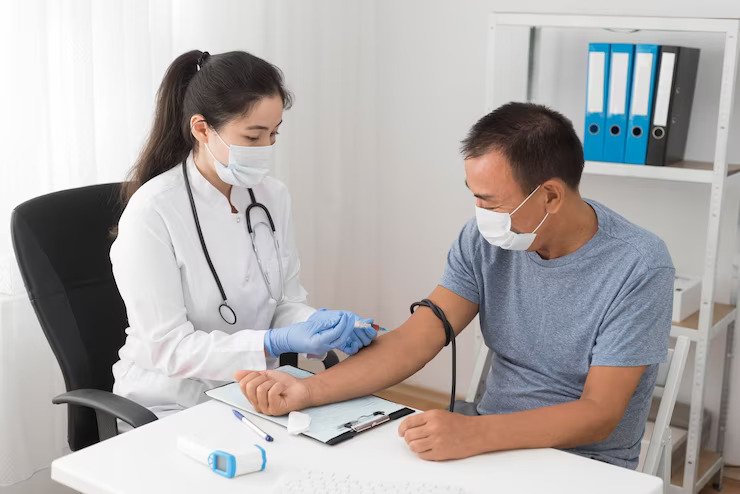
One of the most basic yet vital components of any health screening is the measurement of blood pressure and pulse rate. These readings help detect hypertension and other cardiovascular risks early. At-home testing is done using portable electronic blood pressure monitors that give quick, accurate results. Regular monitoring can catch issues before they escalate, helping patients and their doctors make early lifestyle or medication adjustments.

Blood Tests

Blood tests form the cornerstone of most at-home health screening packages. They offer a wealth of information about different aspects of your health. These tests typically include:

  • Complete Blood Count (CBC): Checks for anemia, infections, and overall blood health
  • Lipid Profile: Measures cholesterol and triglyceride levels to assess heart disease risk
  • Blood Glucose Test: Screens for diabetes or pre-diabetic conditions
  • Liver Function Test: Detects liver damage, inflammation, or disease
  • Kidney Function Test: Evaluates kidney performance through creatinine and urea levels
  • Thyroid Function Test: Assesses whether the thyroid gland is underactive or overactive

A trained medical professional will draw a small sample of blood, which is then sent to a laboratory for analysis, with results usually available within a few days.

Urine Analysis

A urine test is another common component of home based health screening. It helps in identifying signs of kidney disease, urinary tract infections, or diabetes. The process is straightforward—patients provide a urine sample in a sterile container, which is either analyzed on-site or sent to a lab. Urine tests are non-invasive and add significant value in detecting metabolic and renal health conditions that might otherwise go unnoticed.

Electrocardiogram (ECG)

For patients at risk of heart disease, an ECG may be included in the screening. This test records the electrical activity of the heart and can detect arrhythmias, heart enlargement, or previous heart attacks.

Portable ECG machines used during home visits are safe, quick, and produce immediate results. An ECG is especially useful for older adults or individuals with a family history of cardiovascular disease.

Body Composition Analysis

Many home screening providers now include body composition analysis as part of their service. This test measures not just weight, but also body fat percentage, muscle mass, and water retention.

These figures are important when assessing metabolic health and the effectiveness of lifestyle changes such as diet or exercise routines. Tracking body composition over time provides a better picture of overall fitness than weight alone.

Cancer Marker Tests

Some premium home based health screening packages offer tumor marker tests to detect possible early signs of certain cancers. While not diagnostic on their own, these tests—like PSA for prostate cancer or CA-125 for ovarian cancer—can prompt further investigation if results are abnormal. It’s important to note that these tests should be interpreted cautiously and discussed thoroughly with a healthcare provider.

Screening for Infectious Diseases

In a post-pandemic world, screening for infectious diseases at home has become more common. Some services include tests for hepatitis B and C, HIV, or even COVID-19 as part of the package. These tests are discreet and follow proper safety and confidentiality protocols. Early detection of these conditions can lead to timely intervention and prevent further spread within households or communities.

Vision and Hearing Checks

For elderly patients or those with pre-existing conditions, home screening may also include basic vision and hearing assessments. These tests are simple but can identify problems that significantly impact quality of life if left unmanaged. Devices used for these tests are usually compact and can give instant feedback, especially useful for tailoring further specialist referrals if needed.

Convenience Meets Comprehensive Care

The appeal of home based health screening lies in its ability to offer comprehensive health evaluations in the comfort of your own home. Many services are customizable, allowing patients to choose tests based on personal risk factors, age, or family medical history.

This approach is especially beneficial for people with mobility challenges, busy schedules, or those who prefer to avoid crowded clinics. It also encourages individuals to take ownership of their health without the added burden of travel or long waiting times.

Conclusion

Home based health screening brings essential diagnostic services right to your doorstep. From blood pressure checks and blood tests to ECGs and cancer marker screenings, these services make preventive healthcare more accessible than ever. With the convenience of personalized care and timely results, home screenings empower individuals to stay proactive about their health and well-being. As more people prioritize preventive care, home based health screening is set to play an increasingly vital role in modern healthcare delivery.

read more
Health

Always Open, Always Ready: How Potranco Provides Medical Attention Day or Night

Feeling sick in the middle of the night is scary. What if the doctor’s office is closed? At Potranco, you never have to worry. They’re always ready to help — day or night.

Potranco gives medical care 24/7 — even on weekends and holidays

Potranco Urgent Care is open when others are not. Most clinics close at 5 or 6 PM. But Potranco stays open late and even on weekends. Some locations in San Antonio stay open as late as 9 PM on weekdays and 5 PM on weekends.

If you need help at 10 PM or early in the morning, no problem. Potranco doesn’t turn anyone away just because it’s outside “normal” hours. This is super helpful in emergencies — like high fever, bad cough, or sudden injury.

Real People, Real Help

A mom named Sarah brought her son to Potranco at 11 PM. He had a fever of 103°F. She was scared. The regular doctor’s office was closed. At Potranco, they took her son in right away. A nurse gave him medicine. A doctor checked him. The next day, he felt much better.

Potranco saved the day for Sarah — and many other families like her.

Why people trust Potranco for anytime care

Here’s why people choose Potranco when they need fast help.

1. They treat so many things

Potranco can treat:

  • Colds and flu
  • Ear infections
  • Cuts or scrapes
  • Sports injuries
  • Minor burns
  • Allergies and asthma
  • Stomach pain
  • Vomiting or dehydration

They even do school physicals, COVID-19 testing, and EKGs. All without needing an appointment.

In 2023, Potranco served over 90,000 patients in San Antonio alone. That’s 246 people each day!

2. Friendly staff and fast service

Waiting at the ER can take hours. At Potranco, 85% of patients are seen in under 30 minutes. Staff are trained to work fast but also be kind.

A man named John hurt his ankle playing basketball. He didn’t want to wait 3 hours in the ER. He went to Potranco. They did an X-ray, wrapped his foot, and sent him home — all in under an hour.

John gave Potranco a 5-star review: “Quick, friendly, and very clean!”

3. You don’t need insurance

That’s a big deal. Lots of people skip care because it’s too expensive. But Potranco has easy payment plans and takes most insurance too.

They also offer flat rates. You’ll know the cost before you say “yes.” In one recent year, over 20% of Potranco’s patients had no insurance. They were still able to get care.

4. Safe and clean

Clean clinics make a big difference. Potranco clinics are spotless. They clean every room after each patient. During COVID-19, they added extra steps to keep people safe. Masks, hand sanitizer, and sick/well zones are still used sometimes to keep germs away.

Locations that work around your schedule

Potranco has multiple spots in San Antonio. Some are near schools. Some are near shopping centers. This makes it easy to pop in when you’re out and feel sick.

Each clinic shares hours online, so you know which one is open. No guessing. Many clinics are open early — like 8 AM — and some stay open until 9 PM on weekdays.

And guess what? Many are also open on holidays like Christmas or New Year’s. Because sickness doesn’t take a day off.

Here’s a live example:

  • Potranco and 1604: Open 8 AM to 9 PM Mon–Fri, 9 AM to 5 PM Sat–Sun
  • Close to SeaWorld: Open 8 AM to 8 PM all week
  • Westover Hills: Open every day including holidays, 8 AM to 9 PM

More than just a clinic

Potranco does more than just treat colds. They help you live a healthy life. They now offer:

Virtual visits

Too tired to leave home? Potranco offers video calls with doctors. You can talk to a nurse or doctor in minutes — even in your pajamas!

In 2022, over 12,000 people used Potranco’s telemedicine service after hours.

Help with chronic issues

Got diabetes or asthma? Potranco helps you manage it long-term. They check your numbers, give advice, refill medicine, and even offer nutrition tips.

Preventive checks

Checkups help catch problems early. Potranco does sports physicals, vaccines, blood pressure checks, and even lab work. You can catch things early before they grow worse.

Here’s what the numbers say

Let’s look at the facts.

  • Potranco has over 10 clinics in the San Antonio area
  • Average wait time: 15–25 minutes
  • Over 90% patient satisfaction rating
  • Open weekends and holidays — year-round
  • Serves 90,000+ people every year

All that adds up to something big: trust.

What should you do if you’re feeling sick at night?

You’re coughing. Your head hurts. It’s 10 PM. What now?

  1. Don’t panic
  2. Find your nearest Potranco Urgent Care
  3. Walk in or call for a tele-visit

Most locations are open late. You’ll get seen fast. No need to suffer all night or wait for an appointment. Help is just down the street — or just one call away.

Conclusion

Potranco Urgent Care is always there when you need it.

Here’s what you can do:

  1. Bookmark their site or save the number of the clinic nearest you
  2. Go there when you feel sick — no appointment needed
  3. Choose a location that fits your schedule

Don’t wait for tomorrow. Potranco provides medical attention day or night. They’re ready when you are.


read more
Health

Understanding the Legal Status and Availability of THCA in Georgia

weed gummies

If you’ve spent any time lately looking into cannabis-related products, you’ve probably come across the term THCA. And if you’re living in Georgia or planning a visit, it’s totally normal to be wondering about thca in georgia what the laws are, where things stand, and whether or not you can actually find it legally on store shelves.

Introduction to THCA

Let’s kick things off with a quick explanation. THCA stands for tetrahydrocannabinolic acid. It’s a natural compound found in raw cannabis that technically isn’t psychoactive. That means it won’t get you high unless it’s heated. When you heat THCA—through smoking, vaping, or baking it converts into THC, the well-known cannabinoid that causes psychoactive effects.

On its own, THCA has been popping up in health discussions because of some interesting research about its potential therapeutic uses. But, as interesting as that is, the bigger concern for a lot of folks is whether it’s legal to buy or sell THCA products in Georgia.

Legal Status of THCA in Georgia

Here’s where things start to get a little more complicated. Technically, THCA isn’t outright banned in Georgia state law. But Georgia doesn’t really separate THCA from THC in terms of how it’s regulated. That might sound confusing, but let’s break it down.

Georgia Senate Bill 494, which came out in 2024, made it very clear: the total THC content of hemp products must be 0.3% or less. Total THC here includes not just the delta-9 THC that actually causes a high, but also THCA—because of how it’s converted into THC when heated.

This means that even if a product is mostly THCA and has little to no delta-9 THC, it can still be considered illegal in Georgia if that combined content goes over 0.3%. This treats THCA the same way as something that can get you high, even if it doesn’t do so in its original form.

Impact of Recent Legislation

So, what changed with this Senate Bill 494? A lot, actually. Before this bill, there was a bit of wiggle room. Retailers could claim that THCA wasn’t the same as delta-9 THC and therefore didn’t need to follow the same rules. That worked for a bit—until lawmakers stepped in and basically said, “Not anymore.”

This piece of legislation closed that so-called loophole. By stating that both delta-9 THC and THCA must stay under the 0.3% combined limit, it shut down a lot of the THCA market in Georgia. So nowadays, even if your THCA flower looks and smells like a legal product, it might not be.

For consumers, this means it’s trickier to find THCA products legally in stores or online when shipping to Georgia. And it puts buyers at risk if they’re unknowingly purchasing something that exceeds that legal limit. For businesses, it’s even more serious. Selling products out of compliance can lead to fines or worse.

Regulatory Framework and Compliance

Let’s talk about how businesses stay on the right side of the law in Georgia. Anyone who wants to manufacture, distribute, or retail hemp products in the state has to have proper licenses. This includes products containing THCA. And state regulators aren’t playing games.

What that means in practice is that products have to be regularly tested in certified labs to confirm that total THC (including THCA) stays within the legal threshold. This is to make sure that stuff claiming to be legal actually is.

Many reputable businesses not only handle this testing but also provide certificates of analysis for their products. As a buyer, that’s something worth looking for. If a company can’t show you lab results, that’s an instant red flag. Testing helps guarantee safety, transparency, and legal compliance—all pretty important when it comes to cannabis-related products.

Health Benefits and Risks of THCA

You might be wondering what all the fuss is about in the first place. THCA isn’t just some chemical on a label. There’s actual scientific interest in it for a number of possible health reasons. For example, early research and anecdotes suggest that THCA may have anti-inflammatory, anti-nausea, and neuroprotective properties.

That said, none of this has been officially confirmed by the FDA, and there’s still a lot more research to be done. THCA also carries some risks, especially because of how it turns into regular THC when heated. That’s where some unintended consequences can show up. For instance, someone might think they’re using a product that won’t get them high, only to learn the hard way that it does once it’s smoked.

Understanding how THCA works and how it’s legally treated in Georgia is a key part of safely using or selling these products.

Conclusion and Recommendations

So here’s the bottom line: while THCA isn’t specifically labeled as illegal in Georgia, the combined THC content rule means that most THCA products on the market are walking a legal tightrope. Thanks to Georgia Senate Bill 494, which redefined how THC content is measured, THCA is essentially placed under the same restrictions as delta-9 THC.

For anyone curious about trying THCA for its potential health perks, the best advice is to check local laws and shop responsibly. Stick with companies that are upfront about their lab results and clearly follow Georgia’s licensing requirements. If you’re not sure, don’t be afraid to ask questions about their compliance practices.

Things change fast in this space, so staying informed and cautious is always the safer move. What’s legal today may not be legal tomorrow if state lawmakers decide to tighten things even more. But for now, understanding both the science and law behind THCA can help you make smarter decisions—whether you’re a shopper or a seller.


read more
Health

What are the differences between live resin and distillate carts?

The cannabis concentrate market offers various options for consumers, with live resin and distillate cartridges being among the most popular choices. These two types of vape carts provide distinctly different experiences due to their unique production methods and resulting compositions. If you’re looking for a comprehensive guide on thca carts and their variations, understanding these key differences helps you choose the correct option that suits your preferences better.

Extraction methods for live resin vs distillate

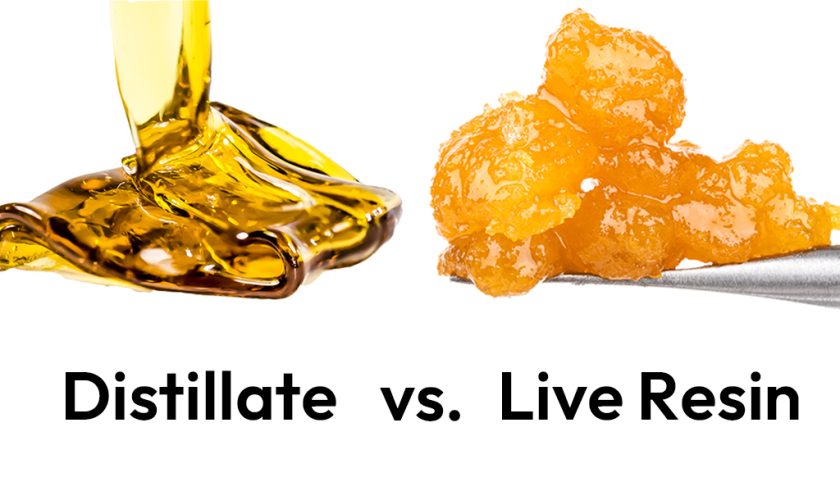
Live resin extraction begins with flash-frozen cannabis plants, preserving the full spectrum of compounds present in the living plant. This freezing process happens immediately after harvest, locking in volatile compounds that would otherwise degrade at room temperature. The frozen material then undergoes a solvent-based extraction, typically using butane or propane, at very low temperatures.

Distillate production takes a different approach. The process starts with already-dried and cured plant material, which undergoes initial extraction to create a crude oil. This oil is then refined through multiple stages of distillation, where heat and vacuum pressure separate different compounds based on their boiling points. This intensive processing removes nearly everything except the desired cannabinoids, resulting in a highly refined oil reaching 90% purity.

Composition and potency differences

Live resin contains a rich mixture of cannabinoids, terpenes, and other plant compounds in ratios similar to the original plant. This preservation of the plant’s natural profile creates what’s known as the “entourage effect,” where these compounds work together synergistically.

Distillate, in contrast, consists almost entirely of isolated cannabinoids. The distillation removes most terpenes and other plant compounds, creating a product with higher cannabinoid percentages but lacking the full spectrum of natural plant components. Many manufacturers reintroduce terpenes after distillation to improve flavour, but these are often botanical terpenes derived from non-cannabis sources.

Flavour and terpene profiles

Live resin carts offer a more complex, robust flavour profile that closely resembles the aroma and taste of the original cannabis strain. The preservation of native terpenes through the flash-freezing process maintains the distinctive characteristics of each variety. Users who value flavour often prefer live resin for its authentic cannabis taste.

Distillate carts typically have a milder, sometimes sweeter flavour profile. Without the preserved terpenes, the distillate has little natural flavour. When reintroduced, terpenes, the flavour can be customised, but may not capture the strain-specific nuances found in live resin products.

Selection factors for consumers

When deciding between live resin and distillate carts, consider these critical factors:

  • Experience desired – Live resin provides a more full-spectrum experience, while distillate offers a more isolated cannabinoid effect
  • Flavour preference – Stronger, more authentic cannabis flavour with live resin versus milder, sometimes artificially flavoured distillate
  • Price point – Distillate generally costs less due to more efficient production methods
  • Discretion needs – Distillate typically produces less aroma when used
  • Potency requirements – Distillate usually contains higher THC percentages, though this doesn’t necessarily translate to a more substantial overall effect

Both types of cartridges have their place in the market, appealing to different preferences and priorities. Live resin preserves more of the plant’s natural compounds, creating a more authentic experience, while distillate offers higher potency of specific cannabinoids in a more refined form. 


read more
1 2 3 4 5 18
Page 3 of 18