close

Shea Frami

Wellness Hub

SleepEase Pro Reviews: What Comes in the Box?

As a full-time real estate agent, my days are fast-paced, highly demanding, and mentally taxing. Between hostings open house events, managing client walkthroughs, negotiating contracts, and handling late-night client calls, my energy needs to be at 100% from morning until night. For years, however, I was fighting a silent-or rather, extremely loud-battle behind closed doors: chronic snoring. I woke up almost every morning feeling like I had barely slept, plagued by brain fog and relying on three or four cups of coffee just to get through my morning appointments. Worse still, my intense snoring was keeping my spouse awake night after night. Eventually, we resorted to sleeping in separate bedrooms, which took a heavy emotional toll on our home life. I tried everything from nose strips and jaw-positioning mouthguards to bulky anti-snore pillows, but nothing offered a comfortable or lasting fix. That was until I decided to test out the SleepEase Pro anti-snoring device.

I was naturally skeptical before trying yet another sleep gadget, but the concept behind SleepEase Pro caught my attention because it targets the actual muscular root cause of snoring rather than just masking the sound. Being on the move constantly for work, I needed something lightweight, discreet, and simple to operate. After using it consistently every night for over a month, I am excited to share my hands-on experience in this review and explain how this small device completely restored my sleep, brought back my daily energy, and saved our quiet nights at home.

Understanding SleepEase Pro and How It Works

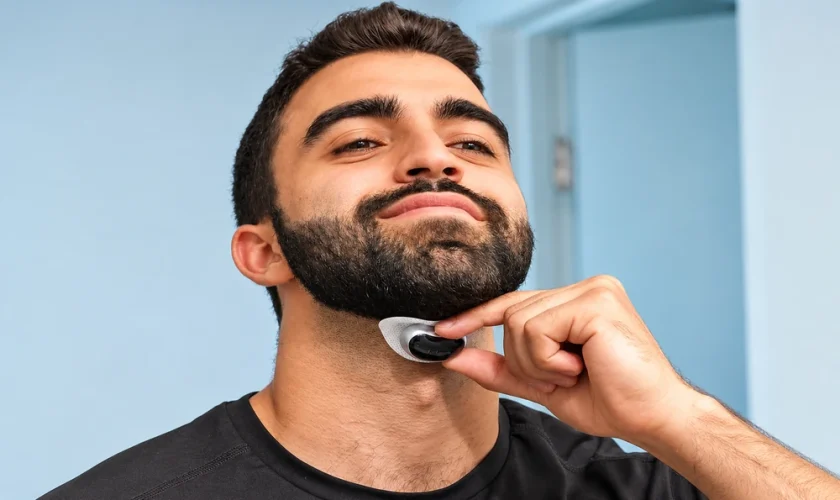
What sets SleepEase Pro apart from traditional anti-snoring mouthpieces or bulky chin straps is its integration of Electrical Muscle Stimulation (EMS) technology. When we fall into deep sleep, the muscles in our throat and upper airway naturally relax. For chronic snorers like me, this muscle relaxation causes the airway to narrow, resulting in tissue vibrations that produce loud snoring sounds. Instead of forcing your jaw forward with hard plastic or wearing an invasive nasal clip, SleepEase Pro attaches comfortably under your chin using a soft, hypoallergenic adhesive patch or comfort strap.

The unit itself is remarkably compact and weighs only 14 grams, making it feel virtually weightless once applied. It features intelligent biofeedback sensors that automatically detect snoring vibrations in real time. The moment snoring starts, the device delivers painless micro-stimulations to the throat muscles, prompting them to contract slightly and stay toned. This action keeps your airway open without waking you up or interrupting your sleep cycle. It comes with three customizable intensity levels, allowing you to select the precise setting that fits your specific needs.

My First-Hand Testing Experience

Setting up SleepEase Pro on my first night took less than two minutes. I fully charged the device using the included USB cable, attached one of the reusable comfort patches to the back of the host unit, placed it under my chin, and turned it on at the lowest intensity level. I had been concerned that having a device attached to my neck might feel intrusive or interfere with my sleep, but the light construction meant I quickly forgot I was even wearing it.

I woke up the following morning feeling noticeably more refreshed than I had in months. There was zero morning jaw stiffness, which had been a major drawback when I tried oral appliances in the past. When I asked my wife how the night went, she gave me the ultimate validation: she had slept soundly through the night without hearing a single loud snore from my side of the bed. Over the next couple of weeks, I bumped the device up to the second intensity level to optimize performance. The impact on my daily productivity was immediate. I no longer experienced that dreaded 3 p.m. energy crash while showing homes to potential buyers, my mental focus during contract reviews was sharper, and I was finally able to move back into our master bedroom full-time.

Key Features That Made a Big Difference

Discreet and Portable Design

Because my real estate work often requires travel for conferences and property appraisals across different regions, portability is crucial. SleepEase Pro fits easily into a small travel kit or pocket, making it effortless to take anywhere without carrying bulky accessories.

Automated Smart Detection

You do not need to worry about connecting to complicated phone apps or configuring manual timers before going to sleep. Once you power on the unit and place it under your chin, the internal sensors operate automatically throughout the night while you rest peacefully.

Reliable Battery Life

The device provides up to 10 hours of continuous operation on a single charge. The included charging cable makes it effortless to charge during the day so it is always ready before bedtime.

Long-Term Muscle Retraining

Unlike simple physical barriers that only work while worn, the micro-pulses in SleepEase Pro help strengthen and re-educate the airway muscles over time. The gentle stimulations tone the tissues effectively without causing pain or disrupting deep sleep phases.

Final Verdict

After testing SleepEase Pro over several demanding weeks of open houses, late client meetings, and busy work schedules, I can say without hesitation that this device has made a monumental difference in my daily life, health, and relationship. Waking up genuinely rested has restored my stamina during long work days, eliminated my morning brain fog, and brought peace and quiet back to our home.

If you are tired of waking up exhausted and want a modern, comfortable, and effective solution to chronic snoring, SleepEase Pro is worth buying. It is a valuable investment in your health and overall quality of life that pays off from the very first night.

Where to Buy SleepEase Pro

Don’t risk purchasing knockoff devices from unauthorized web merchants; choose the official website for SleepEase Pro instead. Direct orders guarantee top-tier build quality, official brand warranties, and immediate access to replacement hydrogel pads whenever needed for continuous nightly use.

read more
Dental

What Are Fake Teeth in Turkey?

‘Fake teeth in Turkey’ is one of the most searched dental tourism phrases in the UK, and the phrase itself is the problem. It grew out of social media coverage of dramatic cosmetic transformations, and it carries an implication that something artificial or substandard is being fitted. Clinically, there are no fake teeth. What patients receive are laboratory-fabricated ceramic restorations made from the same materials, by the same processes, as the work produced in the UK, Germany, and across Europe. This guide explains what the treatments actually are, and how to work out which one is appropriate for you.

Where the Phrase Came From

The ‘Turkey teeth’ phenomenon became visible from around 2019, as influencers and ordinary patients started posting before-and-after photographs from dental tourism trips. Media coverage followed, and much of it was imprecise. Some commentators described the treatments as fake or dangerous, generally by taking genuinely poor cases – where healthy tooth structure had been removed unnecessarily – and presenting them as representative of the whole market.

That framing collapsed a real clinical concern into a national stereotype. The overwhelming majority of patients treated in Turkey receive the same procedures their local dentist could have performed, using the same materials, at a significantly lower price. The legitimate criticism is about over-preparation at particular clinics, and it deserves to be discussed on those terms.

What the Treatments Actually Are

Dental crowns are the treatment most associated with the conversation. A crown is a ceramic cap covering a prepared tooth, restoring shape, strength, and appearance. Modern crowns are made from zirconia or E-max ceramic: metal-free, biocompatible, and effectively indistinguishable from natural teeth both in photographs and in person.

Veneers are thinner ceramic shells bonded to the front surface of natural teeth, altering shape, size, and colour without covering the whole tooth. Appropriate where the underlying teeth are structurally sound and the goal is cosmetic.

Composite bonding is direct resin applied in one appointment with no laboratory stage. It is the least permanent cosmetic option, requires no tooth preparation, and is fully reversible – which makes it well suited to younger patients and to anyone wanting improvement without commitment.

Implant-supported crowns and bridges replace missing teeth with a titanium post and a ceramic crown. Functionally the closest thing to a natural tooth, in both bite force and cleaning requirements.

Full removable dentures are the only option that genuinely fits the description of artificial teeth in the traditional sense. Even in Turkey’s dental tourism market they are increasingly displaced by fixed implant-supported alternatives as patients understand the long-term differences.

Prices for the Common Restorations

Country / Region Average Cost Notes
Zirconia Crown €300 – €400 Most requested; all-ceramic; 15-20 year lifespan
E-max Veneer €250 – €350 Front teeth; highest translucency; 10-15 years
Composite Bonding €150 – €250 Same-day; no lab; 5-7 years; reversible
Single Implant + Crown €1,100 – €1,300 Missing tooth replacement; permanent fixture

How Permanent Is Any of It?

  • Zirconia and E-max crowns or veneers. Long-lasting at 10 to 20 years with proper care, but not technically permanent. All ceramic can eventually wear or chip and may need replacing.
  • Composite bonding. Medium-term at five to seven years. More prone to staining and minor chipping than ceramic.
  • Dental implants. The titanium post is a permanent fixture in most cases. The crown on top may need replacing after 15 to 20 years.
  • Removable dentures. Need rebasing or replacement every five to ten years as the underlying bone changes shape.

The Substance Behind the Controversy

The criticism of ‘Turkey teeth’ has centred on cases where significant healthy tooth structure was removed to place crowns on teeth that could have been treated conservatively with veneers or bonding. That is a legitimate concern, and it should not be waved away. Over-preparation is a real risk, and it happens when the wrong treatment is selected for the clinical situation – sometimes through poor judgement, sometimes because crowns are more profitable than bonding.

The answer is not to avoid treatment in Turkey. It is to choose a clinic that works from clinical need rather than package templates. Dental Harmony Turkey’s zirconia crown antalya protocol specifies the clinical indication for crown placement against more conservative alternatives, on the principle that any treatment plan should represent the minimum appropriate intervention for each individual tooth.

Questions to Ask Before Committing

  • Why is a crown recommended for this specific tooth rather than a veneer or bonding?
  • How much tooth structure will be removed in preparation?
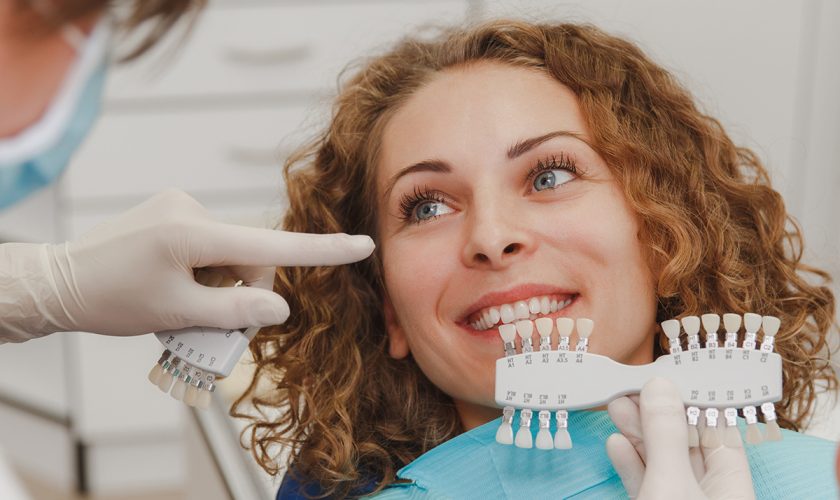
  • Can I see the physical shade guide before the shade is finalised?
  • What is the warranty period for each restoration?
  • What is the procedure if a crown chips or debonds after I return home?

A clinic that welcomes the first question is one you can work with. A clinic that treats it as an obstacle is telling you how the treatment plan was constructed.

Final Thoughts

Fake teeth in Turkey are, clinically, real ceramic restorations at accessible prices. The controversy around the phrase reflects genuine concerns about over-treatment at poorly managed clinics rather than any problem with the treatments or materials themselves. Patients who arrive with clear expectations, the right questions, and a carefully chosen clinic have, in the overwhelming majority of documented cases, an excellent outcome. Dental Harmony Turkey is one of the established options for patients seeking the Best Dental Clinic in Antalya with a transparent, conservative, clinically led approach to every case.

read more
Health

THCA gummies vs delta 9 gummies: Onset, potency, and legality

THCA and delta 9 gummies are both candy-shaped and packaged in a similar fashion, but carry fundamentally different compounds. When digestion begins, delta 9 THC begins working immediately, which makes it the intoxicating molecule everyone is familiar with from traditional cannabis. Edibles are impossible to make with delta-9 because THCA is a raw acid precursor that can only be converted through heat. THCA does not meet a flame when smoking or vaporising, so it undergoes minimal conversion inside the body.

THCA gummies typically produce milder, softer effects at the same milligram counts as delta-9 pieces. Buying products like Exhale Wellness THC gummies means knowing exactly what molecule you’re purchasing before checkout. Because the two formats diverge noticeably, experienced users need to distinguish between them up front. Different chemistry is doing the work beneath the same fruit flavours and chew.

Which one hits faster and harder?

Both gaps are large enough to matter in practice for delta 9 gummies. It takes thirty to ninety minutes for active delta 9 to enter digestion, be processed by the liver, and deliver its effects, depending on the contents of your stomach. The resulting session runs strong and long, often stretching three to five hours with body weight and mental shift both pronounced.

THCA gummies work more gently. Conversion without heat stays limited, so effects arrive softer and shorter. Some users describe the experience as closer to a mild edible than a standard delta-9 session. Onset timing also runs slightly longer on average. For newcomers, this gentler profile is genuinely useful, offering a way to try edibles without the intensity delta 9 delivers by default. Veterans chasing full-strength results will consistently reach for delta 9 and find THCA edibles underwhelming by comparison.

Onset compared side by side

  1. Delta 9 gummies – Effects arrive between thirty and ninety minutes, peaking sharply and holding for several hours.
  2. THCA gummies – Onset runs slower with softer effects that plateau at a lower ceiling than equivalent delta 9 strength.
  3. Stomach contents shift both timelines, pushing the onset past ninety minutes after a heavy meal for either type.
  4. Starting with one piece and waiting the full two hours before any second piece remains the rule for both formats without exception.

Legality

Delta 9 gummies sourced from hemp containing below the federal dry weight threshold pass compliance requirements at the federal level, and most reputable brands formulate precisely around that ceiling. THCA gummies occupy an interesting position, since THCA in raw form sits outside the active THC measurement in most compliance frameworks, giving it broader accessibility in many regions. State rules complicate both pictures. Several states have moved independently to restrict hemp-derived cannabinoids regardless of federal guidance, and those lists update without announcement. Checking local regulations before purchase remains the only reliable habit in a legal landscape that shifts frequently. Third-party certificates from reputable sellers confirm compliance for each specific batch and should be read before the first order, regardless of which format a buyer chooses.

The two types of gummies serve similar purposes, but for users and situations that differ. With fast onset, strong peak effects, and hours of duration, Delta 9 is suited to seasoned cannabis users.

read more
Health

Why Continuity Of Care Leads To Better Health Outcomes

Why Continuity of Care Leads to Better Health Outcomes improves long-term wellness, prevents illness, builds patient trust, and helps people receive more personalized healthcare.

Continuity of care leads to better health outcomes because patients receive consistent, coordinated medical care from healthcare providers who understand their medical history, lifestyle, and long-term health goals. This approach improves early diagnosis, strengthens preventive care, reduces medical errors, increases treatment success, and builds lasting trust between patients and providers.

Have you ever wondered why some people seem to manage chronic illnesses better and recover faster from health problems than others? The answer often has less to do with expensive treatments and more to do with one simple factor-having the same trusted healthcare provider over time.

When patients consistently visit the same healthcare professional, they receive personalized guidance based on their complete health history. Instead of starting from scratch during every appointment, the provider already understands past illnesses, medications, allergies, family history, and lifestyle habits. That relationship creates better communication, stronger trust, and healthier outcomes for years to come.

Healthcare today is more complex than ever. People often see multiple specialists, take several medications, and manage chronic conditions simultaneously. Continuity of care connects all these pieces together, helping patients avoid unnecessary tests, medication conflicts, and missed diagnoses while improving their overall quality of life.

Healthcare professionals who provide Primary Care Services become the first point of contact for most medical concerns. They help patients manage everyday illnesses, monitor long-term conditions, recommend preventive screenings, and coordinate specialist referrals when necessary. Because they understand each patient’s complete medical history, they can make informed decisions that support better long-term health outcomes.

Choosing reliable Primary Care Services also creates a stronger patient-provider relationship built on consistency and trust. Regular checkups allow physicians to detect health changes early before they become serious problems. This proactive approach not only improves treatment success but also reduces healthcare costs and unnecessary hospital visits.

🩺 What Is Continuity Of Care?

Continuity of care means receiving ongoing healthcare from the same physician or healthcare team over an extended period. Rather than seeing a different provider during every visit, patients build a lasting relationship with professionals who know their medical history.

This consistent care improves communication and allows doctors to recognize subtle changes in a patient’s health. Small warning signs that might otherwise be overlooked become easier to identify because the provider understands what is normal for that individual.

Continuity also creates confidence for patients. Instead of repeating medical histories during every appointment, patients can focus on discussing new symptoms, concerns, and treatment goals. This saves time while improving the quality of each visit.

Key Element Benefit
Same healthcare provider Better understanding of patient history
Consistent medical records Fewer treatment errors
Long-term relationship Greater patient trust
Coordinated care Better health outcomes

❤️ Why Trust Between Patients And Doctors Matters

Trust forms the foundation of effective healthcare. When patients trust their physician, they are more likely to share symptoms honestly, discuss mental health concerns, and follow treatment recommendations.

Doctors also benefit from long-term relationships. They learn how patients respond to medications, understand family medical patterns, and recognize lifestyle factors affecting health. This knowledge helps create personalized care plans instead of one-size-fits-all treatments.

Strong trust reduces anxiety during appointments. Patients feel comfortable asking questions and participating in healthcare decisions, leading to better satisfaction and improved long-term results.

🌿 Preventive Care Becomes More Effective

Preventive healthcare works best when providers monitor patients regularly over many years. Routine screenings, vaccinations, and wellness exams become easier to schedule and track.

Instead of treating illnesses after they develop, physicians focus on preventing disease before symptoms appear. Early detection often leads to simpler treatments and better recovery rates.

Examples of preventive care include:

  • Annual physical exams
  • Blood pressure monitoring
  • Cholesterol testing
  • Diabetes screening
  • Cancer screenings
  • Vaccinations
  • Lifestyle counseling

These services reduce long-term healthcare costs while improving overall wellness. 😊

💊 Better Management Of Chronic Diseases

Millions of Americans live with chronic illnesses such as diabetes, asthma, arthritis, and heart disease. These conditions require ongoing monitoring rather than one-time treatment.

Patients receiving continuous care experience fewer complications because providers adjust medications, review test results, and monitor disease progression consistently. Regular follow-up appointments help catch problems before they become emergencies.

Long-term management also encourages healthier habits. Patients receive ongoing motivation regarding nutrition, exercise, sleep, stress management, and medication adherence.

Chronic Condition How Continuity Helps
Diabetes Monitors blood sugar trends
High blood pressure Adjusts medication quickly
Asthma Prevents severe attacks
Heart disease Detects warning signs early
Arthritis Improves pain management

📋 Fewer Medical Errors And Duplicate Tests

Healthcare providers who know your complete history make safer decisions. They understand allergies, previous surgeries, medication reactions, and existing conditions before prescribing treatment.

Without continuity of care, patients may repeat imaging studies, blood work, or diagnostic tests because records are incomplete or unavailable. These unnecessary procedures increase healthcare costs and delay treatment.

Consistent providers reduce medication interactions as well. They regularly review prescriptions to ensure medications remain safe and effective together.

“Good healthcare isn’t just about treating illness-it’s about understanding the whole patient over time.” 💙

🤝 Improved Communication Across Specialists

Many patients require specialists for specific medical conditions. Cardiologists, endocrinologists, orthopedic surgeons, and neurologists each focus on different aspects of healthcare.

A primary care physician coordinates communication among these specialists. Test results, treatment recommendations, and medication updates remain organized within one healthcare plan.

This coordination prevents conflicting advice and ensures every healthcare provider works toward the same patient goals.

📈 Better Medication Management

Medication mistakes remain one of the leading causes of preventable healthcare problems. Continuity of care significantly lowers these risks.

Regular providers review every prescription during appointments. They identify unnecessary medications, adjust dosages, and monitor side effects before they become serious.

Patients also gain a better understanding of their medications. Clear explanations increase confidence and improve adherence to treatment plans.

Signs Medication Management Is Working

  1. Fewer side effects
  2. Better symptom control
  3. Improved treatment adherence
  4. Lower hospitalization rates
  5. Reduced medication interactions

👨👩👧 Personalized Care For Every Stage Of Life

Healthcare needs change throughout life. Children require vaccinations, adults benefit from preventive screenings, and older adults often manage multiple chronic conditions.

Long-term providers understand these transitions. They adapt healthcare recommendations based on changing medical needs, family history, occupation, and lifestyle.

This personalized approach helps patients feel valued rather than treated as just another appointment.

Life Stage Primary Focus
Childhood Growth and immunizations
Young adulthood Preventive health
Middle age Chronic disease prevention
Older adulthood Complex care coordination

🏥 Lower Hospitalizations And Emergency Visits

Patients with consistent healthcare relationships often experience fewer emergency room visits. Small health concerns receive treatment before becoming serious medical emergencies.

Routine monitoring identifies changes early. Physicians can adjust treatment plans before complications require hospitalization.

Research consistently shows that continuity of care lowers healthcare costs while improving patient outcomes across all age groups.

🌟 Mental Health Benefits Of Continuous Care

Mental health deserves the same consistent attention as physical health. Patients often feel more comfortable discussing anxiety, depression, stress, or emotional concerns with a trusted provider.

Long-term physicians recognize changes in mood, sleep patterns, and behavior more quickly than someone meeting the patient for the first time.

This familiarity supports earlier intervention, faster treatment, and better emotional well-being over time. ❤️

📅 How To Build Strong Continuity Of Care

Building continuity starts with choosing a trusted healthcare provider and maintaining regular appointments instead of waiting until illness develops.

Patients should also keep updated medication lists, attend recommended screenings, and communicate openly during appointments. Honest conversations strengthen the patient-provider partnership.

Helpful habits include:

  • Schedule annual wellness visits.
  • Follow treatment recommendations.
  • Keep personal medical records.
  • Report new symptoms promptly.
  • Ask questions during appointments.
  • Update providers after specialist visits.

Consistency creates healthier outcomes year after year.

🎯 Conclusion

Continuity of care is one of the most valuable investments you can make in your long-term health. A trusted healthcare provider understands your medical history, lifestyle, and evolving healthcare needs better than someone meeting you for the first time. That relationship improves preventive care, chronic disease management, medication safety, communication, and overall patient satisfaction. Over time, continuity reduces unnecessary hospital visits, lowers healthcare costs, and supports earlier diagnosis of serious conditions. By maintaining an ongoing relationship with a primary care physician, patients gain personalized care that leads to healthier lives and better outcomes for years to come.

Frequently Asked Questions

How Does Continuity Of Care Improve Health?

Continuity of care helps doctors understand your complete medical history and health goals. This leads to faster diagnosis and better treatment decisions. It also improves communication and patient trust.

Why Should I Keep The Same Primary Care Doctor?

Seeing the same doctor allows them to monitor changes in your health over time. They become familiar with your medications, family history, and lifestyle. This helps create more personalized care plans.

Can Continuity Of Care Reduce Hospital Visits?

Yes. Regular monitoring helps identify health problems before they become emergencies. Early treatment reduces complications and unnecessary hospital admissions. Patients often experience better overall health.

How Does Continuity Help Chronic Diseases?

Patients receive consistent monitoring, medication adjustments, and preventive care. Doctors can quickly recognize changes in chronic conditions. This reduces complications and improves long-term disease management.

Is Continuity Of Care Important For Families?

Absolutely. Families benefit from coordinated healthcare across every age group. Providers understand family medical history and preventive needs. This supports healthier outcomes for children, adults, and seniors alike.

read more
Health

The Science of Physical Recovery: Breaking the Stress Cycle in Modern Lifestyles

In today’s fast-paced environment, keeping up with demanding professional routines often means sacrificing our physical well-being. We carry everyday tension in our deep muscle tissues, which silently alters our movement patterns and triggers persistent, low-grade physical fatigue. Decompressing this cumulative strain is highly critical for maintaining cognitive performance and physical resilience. Utilizing an intuitive, secure 마사지 어플 is one of the most efficient ways to connect with verified wellness experts who can customize their treatments to your schedule.

When you take the time to actively release your muscles, you prevent minor tension from hardening into chronic postural restrictions. If you want to explore global educational standards or study deep anatomical healing techniques, reviewing the materials at hawaiianmassageschool.com offers a trusted foundation for understanding structural physical recovery.

How Systematic Myofascial Release Restores Physical Longevity

Chronic muscle constriction acts like a physical clamp on your local blood capillaries, restricting the essential oxygen and nutrients required for cellular healing. Over time, this stagnant circulation leads to deep-seated tissue knots and joint stiffness.

A skilled professional utilizes rhythmic pressure to lengthen these tight muscle bands and manually stimulate healthy circulation. Scheduling a dedicated 스웨디시 session is an exceptionally practical way to flush out accumulated metabolic waste, soothe overactive sensory nerves, and return your body to its natural, pain-free alignment.

Conclusion

Musculoskeletal health is the absolute foundation of your daily productivity. By utilizing highly vetted digital directories to find trusted, certified practitioners, you ensure that every wellness session is a safe and deeply restorative investment in your physical longevity. Prioritize your body’s recovery, and give your nervous system the physical reset it needs to keep performing at your best.

read more
Health

Looking for a Cancer Hospital in Gurgaon? Here’s How to Find the Right One

A cancer diagnosis can be overwhelming, not only for patients but also for their families. What follows is often a series of important decisions, one of the most significant being the choice of the right hospital for treatment. The quality of care, the expertise of the medical team, and the availability of advanced treatment options can significantly influence the overall treatment journey and outcomes.

Fortunately, Gurgaon has emerged as one of the major healthcare hubs in North India, offering access to modern medical infrastructure and specialised oncology services. Several hospitals in the city provide comprehensive cancer care, supported by experienced oncologists in Gurgaon, advanced diagnostic technologies, and multidisciplinary treatment approaches.

However, with many options available, selecting the right cancer hospital can feel confusing. Understanding what to look for in a cancer care facility can help patients and families make informed decisions during this critical time.

Why Choosing the Right Cancer Hospital Matters

Cancer treatment often involves a complex combination of therapies, including surgery, chemotherapy, radiation therapy, and targeted treatments. Because the disease can affect different organs and systems, patients often require care from specialists across multiple disciplines.

Leading cancer hospitals follow a multidisciplinary approach, where oncologists, surgeons, radiologists, pathologists, and other specialists collaborate to design personalised treatment plans. This coordinated approach ensures that every aspect of diagnosis, treatment, and recovery is carefully addressed.

In addition, specialised cancer hospitals often provide access to advanced diagnostic tools, newer treatment technologies, and supportive services such as rehabilitation, pain management, and counselling. All of these elements play an important role in improving both survival rates and quality of life during treatment.

Look for Comprehensive Cancer Care Under One Roof

One of the first things to consider when searching for a cancer hospital in Gurgaon is whether the hospital provides comprehensive oncology services.

Cancer treatment usually involves multiple stages, including screening, diagnosis, treatment planning, therapy, and long-term follow-up care. Hospitals that offer all these services in one place can provide more coordinated and efficient treatment.

Comprehensive cancer care typically includes:

  • Medical oncology (chemotherapy, immunotherapy, targeted therapy)
  • Surgical oncology for tumour removal
  • Radiation oncology using advanced radiotherapy systems
  • Diagnostic imaging and pathology services
  • Bone marrow transplantation for certain blood cancers
  • Rehabilitation and supportive care services

Many advanced oncology centres are designed to manage the entire cancer journey, from early detection and risk assessment to treatment and recovery, ensuring continuity of care for patients.

Evaluate the Experience of the Oncology Team

The expertise of the doctors treating cancer is one of the most important factors when choosing a hospital. Cancer treatment requires specialised knowledge, and many oncologists focus on specific types of cancer such as breast cancer, lung cancer, gastrointestinal cancers, or blood cancers. When exploring treatment options, patients often look for experienced oncologists in Gurgaon who are trained to manage complex cancer cases and provide personalised treatment plans.

Hospitals with organ-specific oncology teams are often better equipped to manage complex cases because specialists are trained to treat particular types of tumours. This level of expertise allows doctors to select the most effective treatment strategies for each patient.

In addition to oncologists, cancer care teams usually include:

  • Oncology nurses
  • Radiologists and pathologists
  • Oncology surgeons
  • Pain specialists
  • Nutritionists and physiotherapists
  • Psychologists or counsellors

Such multidisciplinary teams help ensure that patients receive both medical treatment and supportive care throughout the course of therapy.

Check the Availability of Advanced Diagnostic Technology

Accurate diagnosis is the foundation of effective cancer treatment. Modern cancer hospitals rely on advanced diagnostic technologies that help detect cancer early and determine the stage of the disease.

Some of the important diagnostic tools available at well-equipped oncology centres include:

  • PET-CT scans and advanced imaging systems
  • Molecular and genetic testing
  • Biopsy and pathology laboratories
  • Tumour marker testing

Advanced diagnostics allow oncologists in Gurgaon to understand the biological characteristics of the tumour, which can guide personalised treatment decisions. Precision oncology, for example, uses genetic profiling to design therapies that target specific molecular changes in cancer cells.

This approach can help improve treatment effectiveness while reducing unnecessary side effects.

Explore Treatment Options Offered by the Hospital

Cancer treatment has evolved significantly over the past few decades. Today, many hospitals offer a combination of traditional and modern therapies designed to improve outcomes.

Common treatment options available at advanced cancer hospitals include:

Chemotherapy

Chemotherapy uses powerful drugs to destroy or slow the growth of cancer cells. It may be used before surgery, after surgery, or as the primary treatment for certain cancers.

Radiation Therapy

Radiation therapy uses high-energy beams to target and destroy cancer cells while minimising damage to surrounding healthy tissue.

Surgical Oncology

Surgery remains one of the most effective treatments for many solid tumours. Modern surgical techniques, including minimally invasive and robotic procedures, can help improve recovery times.

Targeted Therapy and Immunotherapy

Newer treatments such as targeted therapy and immunotherapy focus on specific molecules or immune pathways involved in cancer growth. These therapies are increasingly used for cancers that do not respond well to conventional treatments.

Hospitals that offer multiple treatment modalities are often better positioned to create personalised treatment plans tailored to each patient’s condition.

Assess Hospital Infrastructure and Facilities

Cancer treatment often requires frequent hospital visits, long therapy sessions, and close monitoring. Therefore, the hospital’s infrastructure and facilities can significantly affect the patient’s comfort and overall experience.

When evaluating a cancer hospital, consider factors such as:

  • Dedicated chemotherapy or day-care infusion units
  • Advanced radiation therapy equipment
  • Modern operation theatres
  • Intensive care units
  • Infection control systems
  • Patient-friendly inpatient facilities

Well-equipped hospitals typically maintain specialised oncology units and treatment areas designed to support both safety and comfort during cancer therapy.

Consider Supportive Care and Patient Services

Cancer care extends far beyond medical treatment alone. Patients often require emotional support, nutritional guidance, and rehabilitation services during their treatment journey.

Many modern cancer centres offer supportive services such as:

  • Counselling and psychological support
  • Pain and symptom management
  • Nutrition counselling
  • Physiotherapy and rehabilitation
  • Palliative care for advanced stages

These services help address the physical and emotional challenges associated with cancer treatment and can improve overall quality of life.

Accessibility and Location

Another practical factor to consider is the location of the hospital. Cancer treatment often involves multiple visits for consultations, therapy sessions, follow-ups, and monitoring.

Choosing a hospital that is easily accessible can help reduce travel stress for patients and families. Gurgaon’s healthcare infrastructure makes it convenient for patients from nearby cities and neighbouring states to access advanced medical services.

The city hosts several reputed multi-speciality hospitals and specialised cancer centres in Gurgaon offering oncology services, which has contributed to its growing reputation as a destination for advanced medical treatment.

Questions to Ask Before Choosing a Cancer Hospital in Gurgaon

Before finalising a hospital for treatment, it may be helpful to ask a few key questions, such as:

  • Does the hospital have specialised oncology departments?
  • What experience do the oncologists have with this type of cancer?
  • Are multidisciplinary tumour boards used for treatment planning?
  • What treatment options are available?
  • Does the hospital offer supportive care services?
  • Are advanced diagnostic technologies available on site?

Discussing these questions with healthcare professionals can help patients and families better understand the treatment process and make informed choices.

Final Thoughts

Choosing the right cancer hospital is an important step in the treatment journey. While medical expertise and technology are crucial, compassionate care, coordinated treatment planning, and strong patient support systems also play a vital role.

Gurgaon offers access to several well-equipped cancer hospitals in Gurgaon and oncology centres that provide modern cancer care, supported by experienced specialists and advanced medical infrastructure. By carefully evaluating factors such as expertise, treatment options, diagnostic facilities, and patient support services, patients and families can identify a hospital that best meets their needs.

Making an informed decision can help ensure that the treatment journey begins with confidence, clarity, and the support needed to navigate the challenges ahead.

read more
Dental

Why Orthodontic Treatment Improves More Than Just Appearance

Orthodontic treatment is often seen as a way to achieve a straight and attractive smile. However, its benefits go far beyond looks. Properly aligned teeth can improve your oral health, comfort, and overall quality of life. When your teeth and bite are in the right position, everyday activities like eating, speaking, and cleaning your teeth become much easier with Invisalign Georgetown.

One of the biggest advantages of orthodontic treatment is better oral hygiene. When teeth are crowded or overlap, it becomes difficult to clean all areas properly. Food particles and plaque can easily get trapped in tight spaces, increasing the risk of tooth decay. Straightening the teeth creates proper spacing, making brushing and flossing more effective. This helps reduce cavities and keeps your teeth healthier in the long run.

Healthy gums are also supported by well-aligned teeth. Crooked teeth can allow bacteria to build up along the gum line, leading to swelling, redness, and bleeding. Over time, this may develop into gum disease. Orthodontic treatment helps position the teeth correctly, making it easier to maintain clean and healthy gums. Many people notice that their gums feel stronger and look better after their teeth are aligned.

Another important benefit is reduced strain on the jaw. When your bite is uneven, your jaw muscles have to work harder while chewing or speaking. This can lead to discomfort, tightness, or even headaches. Correcting the bite helps the upper and lower teeth meet properly, reducing pressure on the jaw. As a result, many people experience relief from jaw pain and improved comfort.

Orthodontic treatment can also improve speech. Teeth play a vital role in how sounds are formed. When teeth are not in the correct position, it can affect the way certain words are pronounced. Aligning the teeth can help improve speech clarity and make communication easier and more confident.

Chewing food properly is another benefit of a balanced bite. When teeth are aligned, food can be broken down more effectively. This not only makes eating more comfortable but also supports better digestion. An uneven bite can make chewing difficult and may lead to discomfort while eating certain foods.

Proper alignment also protects your teeth from damage. When some teeth take more pressure than others, they can wear down faster or become sensitive. This uneven pressure can cause small cracks or chips over time. Orthodontic treatment helps distribute bite force evenly, reducing the risk of damage and keeping your teeth strong.

There are different types of orthodontic treatments available, including braces and clear aligners. All options are designed to suit different needs and lifestyles. Choosing the right treatment depends on the condition of your teeth and your personal preferences.

In conclusion, orthodontic treatment is not just about improving appearance. It plays a vital role in maintaining oral health, reducing discomfort, and improving everyday functions like speaking and eating. Investing in proper alignment can lead to long-term health benefits and a more comfortable, confident life.

read more
Health

What to Look for When Choosing an Orthodontist for Long-Term Smile Health

Choosing the right orthodontist is one of the most important decisions for maintaining long-term oral health and achieving a confident smile. Orthodontic treatment often requires months or even years of care, and selecting a highly skilled and trustworthy professional can make a significant difference in both the results and the overall experience. With many options available, finding a trusted orthodontist in Yorba Linda requires careful consideration of experience, treatment approaches, technology, and patient care to ensure the best outcome for your smile.

Qualifications and Experience

The first factor to consider is the orthodontist’s qualifications and experience. Orthodontists must complete specialised education and training beyond general dentistry to be licensed in their field. Experienced orthodontists have treated a wide range of dental alignment issues, from minor crowding to complex bite problems. Their expertise ensures that treatments are planned carefully and executed with precision. It is also helpful to ask about the number of years they have practised and the types of cases they commonly handle, as this can give insight into their level of skill and proficiency.

Range of Treatments Offered

Orthodontic care has advanced significantly in recent years, offering multiple treatment options. Traditional braces, ceramic braces, clear aligners, lingual braces, and other advanced appliances allow for tailored approaches to individual needs. Choosing an orthodontist who offers a variety of treatment methods ensures that you receive personalised care suitable for your teeth, lifestyle, and long-term dental health. A versatile orthodontist can recommend the most effective solution for your specific alignment goals, helping you achieve results faster and more comfortably.

Technology and Techniques

Modern orthodontic practices often utilise advanced technology to improve the accuracy and efficiency of treatments. Digital scans, 3D imaging, and computer-aided treatment planning allow for precise evaluation of teeth, jaw alignment, and bite issues. Orthodontists who use the latest technology can design a customised treatment plan that predicts tooth movement step by step, reducing errors and improving overall outcomes. Such advancements also make procedures less invasive, more comfortable, and easier to monitor over time.

Patient Comfort and Care

Since orthodontic treatment is a long-term commitment, patient comfort and communication are essential. A caring orthodontist will take the time to explain procedures, answer questions, and provide guidance on daily oral care during treatment. Practices that maintain a welcoming, supportive environment help reduce patient anxiety and encourage consistent follow-up visits. Feeling comfortable and confident with your orthodontist contributes to a positive treatment experience.

Reputation and Reviews

Researching an orthodontist’s reputation is another important step. Reading online reviews, seeking recommendations from friends or family, and checking professional affiliations can provide valuable insight. Orthodontists with a strong record of successful treatments and positive feedback are more likely to deliver high-quality care.

Cost and Insurance Considerations

While quality care should be the main focus, practical considerations such as cost, payment plans, and insurance coverage are important. Understanding treatment fees upfront and confirming insurance acceptance helps avoid surprises and allows for better financial planning. Many orthodontists offer flexible payment options to make long-term treatment more manageable.

Conclusion

Choosing the right orthodontist is crucial for long-term smile health and overall dental wellness. Consider factors such as qualifications, experience, range of treatments, technology, patient care, reputation, and costs when making your decision. A skilled and caring orthodontist not only ensures effective and safe treatment but also provides a comfortable and positive experience. By selecting the right professional, you can achieve a healthier, more aligned, and confident smile that lasts a lifetime.

read more
Dental

What is the role of relaxation techniques in modern dental care?

Relaxation methods cut anxiety that stops many folks from getting the dental treatments they need. Dental fear hits about 36% of people, causing them to skip appointments while their mouth health gets worse. Modern offices bring in stress-cutting ways, making visits easier for nervous patients. Best Invisalign Dentist in NYC clinics know that emotional comfort directly impacts whether people accept treatments and stick with practices.

Breathing exercise applications

Breathing right actually switches on the part of your nervous system that calms you down, which fights back against the freakout happening during dental work. Dentists teach you belly breathing, where your stomach puffs out when you breathe in, not your chest going up and down. Counting your breaths gives your brain something else to focus on instead of obsessing over whatever’s going on in your mouth. Breathe in for four counts, hold it four counts, breathe out four counts – that rhythm chills you out. Dental people watch for when you’re tensing up – tight fists, body going rigid – and they’ll remind you to take some deep breaths. Best part? You don’t need any equipment or training. Anyone can do this stuff, no matter how worked up they get about the dentist.

Progressive muscle relaxation

Squeezing and releasing muscle groups cuts overall body stress and jaw clenching during treatment:

  • Start with feet, tensing muscles for 5 seconds, then letting go
  • Move to calves, thighs, and butt, following the same pattern
  • Go through the stomach, chest, and back muscles
  • Hit shoulders, arms, and hands in order
  • Finish with the face and jaw muscles that get affected most

Guided audio walks patients through steps during longer appointments. Practising before dental visits trains your body to chill out on command when stress hits.

Visualization and imagery

Mental pictures take your mind away from the dental chair to peaceful, made-up places. Patients picture beaches, woods, or favourite vacation spots with tons of sensory detail. Describing imagined scenes in your head keeps focus, stopping anxiety from building during work. Some offices give VR headsets showing nature scenes or fun content. Wall screens show fish tanks, landscapes, or calm abstract patterns as visual things to watch. These distractions keep your mind busy, leaving less room for procedure stress reactions.

Music and sound therapy

Noise-blocking headphones shut out high-pitched drill sounds that set off strong, bad reactions in anxious patients. Patients pick music types they like, creating personal soundscapes during treatments. Classical tunes, nature sounds, or special beats push relaxation through what you hear. Volume lets patients still catch dentist instructions while muting equipment noises. Some offices play guided meditation audio made just for dental anxiety. Sound therapy really helps during work, where talking between the patient and the dentist is limited.

Aromatherapy integration

Smell molecules directly hit the brain parts controlling emotions and stress reactions. Lavender oil cuts anxiety and promotes relaxation when spread around treatment rooms. Peppermint smell boosts alertness, helping patients stay calm but awake during work. Citrus smells like orange and lemon make uplifting moods, cutting depression tied to dental anxiety. Oil picks avoid allergy smells, making sure all patients handle room scents. Gentle aromatherapy improves the environment without overwhelming senses or pulling attention from clinical care.

Relaxation tricks transform dental experiences for anxious patients through breathing work, muscle relaxation, mental pictures, music therapy, and scents. These ways tackle mental blocks that stop people from maintaining mouth health through regular visits. Dentists bringing in stress-cutting stuff see better patient cooperation, treatment acceptance, and practice loyalty. Comfortable patients finish needed care instead of avoiding appointments until emergencies pop up.

read more
Health

Is Hair Transplant in Dubai Worth It? Expert Insights

Hair loss is no longer treated as an unavoidable reality. With advances in medical science and aesthetic surgery, permanent solutions are now accessible—and Dubai has emerged as one of the most trusted destinations for hair restoration. But a critical question remains for many prospective patients: Is a Dubai hair transplant really worth it?

This article delivers expert-driven insights into costs, results, safety, and long-term value to help you evaluate whether a hair transplant in Dubai is a smart, future-proof decision.

Why Dubai Has Become a Global Hair Transplant Destination

Dubai has strategically invested in healthcare excellence. Hair transplant clinics operate under strict Dubai Health Authority (DHA) regulation, ensuring medical accountability and consistent standards.

A Dubai hair transplant benefits from:

  • Internationally accredited clinics

  • Highly experienced surgeons

  • Advanced hair transplant technologies

  • Transparent consultation processes

Experts agree that Dubai’s structured medical ecosystem significantly reduces procedural risk.

Expert Opinion: What Defines “Worth It” in Hair Transplantation?

According to hair restoration specialists, “worth it” is not defined by price alone. It is measured by:

  • Long-term hair survival

  • Natural aesthetic outcomes

  • Patient safety

  • Psychological and professional impact

From an expert standpoint, Dubai performs strongly across all four metrics.

Cost vs Value: A Realistic Breakdown

Dubai is not the cheapest destination for hair transplants—but experts emphasize that it delivers strong value.

Average Dubai Hair Transplant Costs

  • FUE Hair Transplant: AED 7,000 – AED 15,000

  • DHI Hair Transplant: AED 10,000 – AED 20,000

What experts highlight is that these prices typically include:

  • Surgeon-led procedures

  • Advanced equipment

  • Regulated medical facilities

  • Comprehensive aftercare

Low-cost alternatives often compromise on one or more of these areas.

Quality of Surgeons: A Major Differentiator

Dubai attracts medical professionals with global experience. Many hair transplant surgeons in Dubai are trained in Europe, Turkey, and North America.

Experts point out that:

  • Surgeon involvement directly impacts graft survival

  • Precision determines natural appearance

  • Experience reduces complication rates

A Dubai hair transplant benefits from access to this high-caliber talent pool.

Technology and Techniques Used in Dubai

Dubai clinics consistently adopt advanced techniques earlier than many regions.

Common methods include:

  • Follicular Unit Extraction (FUE)

  • Direct Hair Implantation (DHI)

  • Sapphire FUE

  • PRP-enhanced hair restoration

Experts confirm that these techniques improve density, healing time, and long-term outcomes.

Are Results in Dubai Actually Better?

Clinical data and patient outcomes suggest yes—when the clinic is chosen correctly.

What Experts Observe

  • Success rates exceeding 90%

  • Natural hairlines tailored to age and facial structure

  • Permanent hair growth resistant to future loss

Dubai’s emphasis on planning and regulation contributes to this consistency.

Recovery Time and Lifestyle Impact

Experts note that modern Dubai hair transplant procedures are minimally invasive.

Patients typically experience:

  • Mild swelling for a few days

  • Return to work within 5–10 days

  • Gradual hair growth over 6–12 months

For working professionals, this minimal downtime adds to overall value.

Safety and Regulation: A Non-Negotiable Advantage

Dubai Health Authority oversight is a major factor experts cite when recommending Dubai.

Safety advantages include:

  • Licensed clinics and surgeons

  • Strict hygiene standards

  • Ethical patient selection

This level of regulation is not consistently available in all popular hair transplant destinations.

Medical Tourism: Is Dubai Practical for International Patients?

Experts agree Dubai is one of the most efficient destinations for medical tourism.

International patients benefit from:

  • Easy visa access

  • Direct international flights

  • English-speaking medical teams

  • Luxury recovery options

A Dubai hair transplant can often be completed in a single visit.

Psychological and Professional ROI

Experts emphasize that hair transplants deliver more than aesthetic improvement.

Observed benefits include:

  • Increased self-confidence

  • Improved professional presence

  • Reduced reliance on temporary hair solutions

For many patients, these gains justify the investment.

Potential Drawbacks to Consider

Experts also caution patients to consider limitations.

Possible drawbacks include:

  • Higher cost compared to low-budget destinations

  • Need for careful clinic selection

  • Gradual results that require patience

However, these are considered manageable trade-offs for quality and safety.

Who Benefits Most from a Dubai Hair Transplant?

According to specialists, ideal candidates include:

  • Professionals seeking discreet, natural results

  • Patients prioritizing safety and regulation

  • Individuals looking for long-term solutions

Dubai is particularly well-suited for those unwilling to compromise on quality.

Expert Verdict: Is It Worth It?

From an expert perspective, a Dubai hair transplant is worth it when:

  • The clinic is DHA-licensed

  • The surgeon is experienced and directly involved

  • Expectations are realistic

  • Long-term outcomes are prioritized

Experts consistently emphasize that value lies in predictability and permanence—not just price.

How to Maximize Value from a Dubai Hair Transplant

Experts recommend:

  • Investing time in clinic research

  • Avoiding discount-driven decisions

  • Following aftercare instructions strictly

  • Planning for long-term hair loss management

These steps significantly improve outcomes.

Final Thoughts

So, is a Dubai hair transplant worth it? Expert consensus suggests yes—provided the decision is made strategically.

Dubai offers a rare combination of medical regulation, advanced technology, skilled surgeons, and premium patient experience. For individuals seeking safe, natural, and permanent hair restoration, Dubai represents a disciplined and future-ready choice.

When evaluated through the lens of quality, safety, and long-term impact, a hair transplant in Dubai is not just a cosmetic procedure—it is a calculated investment in confidence and credibility.

Author Bio:

BM Digital Marketing Agency in Dubai, specializes in lead generation and digital marketing for health clinics. We deliver tailored SEO, PPC, website design, and social media strategies that attract and convert quality patient leads while driving clinic growth and patient engagement.


read more
1 2 3 … 11
Page 1 of 11