close

January 2026

Health

The Role of Anti-Inflammatory Nutrition in Supporting Eye Health and Surgical Recovery

Nutrition plays a crucial role in maintaining eye health and supporting recovery after surgery. An anti-inflammatory diet can reduce oxidative stress, protect delicate eye tissues, and improve overall visual function. 

Many people overlook how what they eat directly impacts the eyes, both before and after corrective procedures.

Incorporating nutrient-rich foods into daily meals helps prevent chronic eye conditions and supports faster healing following surgery. 

Understanding the link between diet, inflammation, and eye health allows patients to make informed choices that enhance both recovery and long-term vision quality.

Anti-Inflammatory Diet and Eye Health

An anti-inflammatory diet focuses on foods that reduce inflammation and provide essential nutrients for the eyes. 

Leafy greens, colorful vegetables, and fruits contain antioxidants that protect the retina and lens from oxidative damage.

Omega-3 fatty acids found in fatty fish, walnuts, and flaxseeds help maintain tear production and reduce dryness. 

Vitamins A, C, and E contribute to tissue repair and improve resistance to age-related eye conditions.

Many individuals complement dietary choices with modern eye surgery solutions to address structural vision issues. Combining proper nutrition with surgical interventions ensures optimal recovery and long-term visual performance.

Foods That Support Vision

Certain foods have been shown to support vision and overall eye health. Carrots, spinach, kale, and other leafy vegetables contain lutein and zeaxanthin, which filter harmful blue light and improve retinal function.

Citrus fruits, berries, and bell peppers provide vitamin C to strengthen blood vessels in the eyes. Nuts and seeds deliver vitamin E to reduce oxidative stress, while whole grains promote healthy circulation, supporting the optic nerve.

Incorporating these foods into daily meals strengthens the eyes, reduces strain, and provides a solid foundation for maintaining vision after surgical procedures.

Nutrition for Eye Surgery Recovery

Eye surgery recovery can be enhanced through proper nutrition. Anti-inflammatory foods reduce swelling, accelerate healing, and improve comfort during the post-operative period.

Hydration is equally important, helping maintain tear film and preventing dryness. Lean proteins, such as fish, eggs, and legumes, supply the body with amino acids essential for tissue repair.

Patients who follow dietary guidance from medical professionals often recover faster and experience fewer complications. 

Consulting an expert vision correction care provider ensures patients receive comprehensive recommendations that combine surgery and nutrition for optimal results.

Lifestyle Habits That Support Eye Health

Alongside an anti-inflammatory diet, lifestyle habits reinforce eye health. Limiting screen time, practicing good lighting habits, and wearing UV-protective eyewear reduce strain and damage.

Regular physical activity improves blood flow, delivering oxygen and nutrients to ocular tissues. Sufficient sleep allows the eyes to repair and reduces fatigue.

Together with diet and professional care, these habits form a comprehensive approach to functional, long-lasting vision.

Preventive Measures for Long-Term Vision

Preventive measures complement anti-inflammatory nutrition and surgical care. Routine eye exams detect early changes and allow timely interventions before issues progress.

Monitoring for conditions like glaucoma, cataracts, or macular degeneration ensures that patients maintain healthy eyesight throughout life. 

Combining preventive care with nutrient-rich diets and proper post-surgical recovery strategies maximizes long-term benefits.

Strong vision supports independence, productivity, and overall quality of life. Taking a proactive approach protects eyes from age-related decline and reduces the need for future corrective procedures.

Benefits of Combining Nutrition and Surgery

Combining anti-inflammatory nutrition with modern surgical techniques provides holistic support for the eyes. Nutrient-dense meals reduce oxidative stress, while surgical interventions correct structural problems that diet alone cannot address.

Patients experience faster recovery, less inflammation, and improved visual clarity. 

Long-term adherence to an eye-healthy diet helps maintain the benefits achieved through surgery, reducing the risk of future complications.

Professional guidance ensures that nutrition and surgical care work together for optimal results.

Conclusion

Anti-inflammatory nutrition plays a vital role in supporting eye health and enhancing recovery after surgery. 

Foods that support vision, combined with a nutrient-rich, balanced diet, reduce inflammation and protect eye tissues.

Utilizing modern eye surgery solutions alongside guidance from expert vision correction care providers ensures both structural and functional improvements.

By integrating proper nutrition, lifestyle habits, and professional care, individuals can maintain clear, healthy vision and achieve long-term eye health benefits.

read more
Health

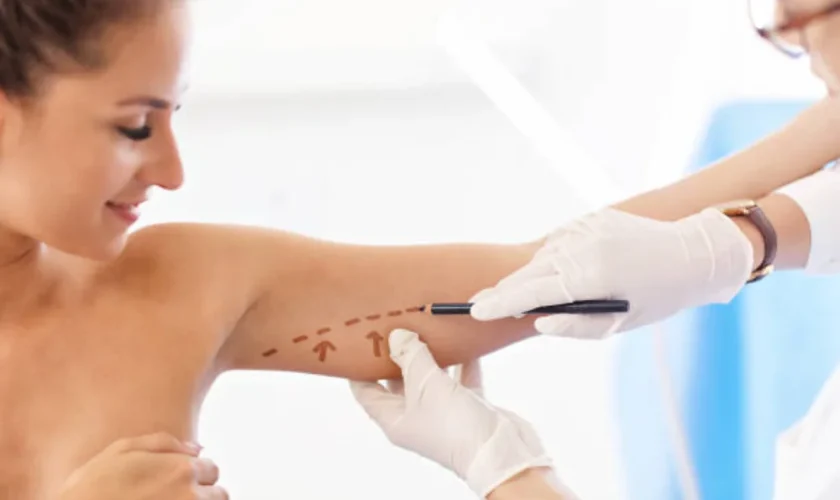
BRACHIOPLASTY (ARM LIFT)

Brachioplasty is a cosmetic surgery that can improve the appearance of your upper arms. The surgery involves tightening sagging skin and is often sought by people considering an arm lift St Louis procedure. This surgery will make your arm more sculpted, which cannot be achieved through exercise. The surgeons also remove pockets of fat while performing brachioplasty.

WHAT IS BRACHIOPLASTY?

Brachioplasty is a surgery that improves the shape of your upper arms. This surgery falls under the category of cosmetic surgery. This surgery improves the arms by removing excess skin and smoothing the remaining skin.

WHO IS THIS PROCEDURE FOR?

Brachioplasty is for a person whose upper arms are sagging or drooping. If you are experiencing skin flapping and hanging while lifting your upper arms, you can choose to get brachioplasty surgery. The reason behind this sagging can be due to the following reasons:

  1.    Reduction in excessive weight with or without diagnosing obesity.
  2.    Variation in the skin elasticity that occurs while you age.
  3.    Some people have certain genetic factors that cause their skin to sag.
  4.    Persons affiliated with Lymphedema.

IS EXERCISE A POSSIBLE SUBSTITUTE FOR BRACHIOPLASTY SURGERY?

Exercise is best for maintaining the good shape of your arms through lifting weights and certain resistance training. However, exercise cannot tighten loose skin on your upper arm. It’s advisable to exercise after getting an arm lift to lead a healthy lifestyle. Doing regular exercise can result in improved upper arm muscle tone.

IS AN ARM LIFT RIGHT FOR ME?

The benefits of brachioplasty can be obtained if you have the following symptoms:

  1.    Having loose skin on the upper part of your arm.
  2.    If your weight is stable in terms of both the long and short term.
  3.    If you are willing to accept the scar obtained after the brachioplasty surgery on your upper arm.
  4.    You don’t have the habit of smoking a cigar.
  5.    You don’t have any history of medical conditions, such as anemia, that can exacerbate the complications of brachioplasty surgery.


WHAT ELSE IS IMPORTANT TO KNOW ABOUT BRACHIOPLASTY?

As you know, an arm lift is for tightening loose and sagging skin. If you desire achieve a well-defined arm shape, then you might require your surgeon to perform liposuction on your arms. This process will remove the accumulated fat that is not responding to exercise and diet. Your surgeon will perform liposuction during the surgery.

WILL INSURANCE PAY FOR BRACHIOPLASTY?

An arm lift usually comes under the category of cosmetic surgery. Most insurance plans do not cover the expenses incurred while undertaking brachioplasty. Brachioplasty will reshape your upper arm. However, some insurance plans pay for brachioplasty in case of infection spread by sagging skin.

CONCLUSION

Brachioplasty is a cosmetic surgery that improves the shape of your upper arm. You must consider the benefits and risks associated with brachioplasty treatment before taking it. It is recommended to consult a health professional before taking any further steps.

read more
Dental

Pediatric Dentist – Why Is It a Significant Matter?

It may surprise you to learn that seeing a pediatric dentist (หมอฟันเด็ก, term in the Thai) is equally as crucial as seeing a primary care physician. Taking your child to pediatric dentist for a regular dental examination and teeth cleaning is a must, and it’s surprising that not many parents give importance to this. You might be asking why it’s necessary when children already have a lovely smile. The short answer is that your child’s dental health, both now and in the future, depends on the care and treatment made by a pediatric dentist (ทันตแพทย์เด็ก, term in Thai).

The following are some of the advantages you would get from having a dedicated pediatric dentist:

  • A routine teeth cleaning – Children, particularly young ones, may not be able to properly brush or let alone floss their teeth. In fact, even with the assistance of an adult, certain locations might be overlooked, which will eventually lead to plaque build up in these areas, tooth decay is more likely to occur. Plaque can create a haven for thousands of germs if it is not broken up. A cavity may eventually emerge as a result of this. A pediatric dentist will conduct a thorough cleaning twice a year to get rid of extra plaque and tartar in order to prevent this. It will also eliminate bacterial populations and lowers the possibility of tooth decay.
  • Oral treatments made easy – When going to the dentist, some kids could be more agreeable than others. Nonetheless, invasive procedures are something that all children and their parents wish to avoid. Frequent dental checkups guarantee that possible issues are identified early on, making treatment considerably simpler. For instance, filling a baby tooth instead of doing a root canal is way simpler to manage than tooth decay.
  • Prevents the possibility of experiencing anxiety during dental visit – Pediatric dentists possess specific expertise that enables them to provide younger patients with a favorable dental experience. After completing the necessary education, pediatric dentists are required to take further courses on child development and working with children who have unique needs. This enables them to effectively connect with kids in a way that kids can comprehend and react to. Younger patients won’t experience dental anxiety anymore. Thanks to pediatric dentists’ expertise, kind disposition, vibrant clinics and upbeat approach.
  • Pediatric dentists help children come up with good oral habits – Frequent trips to the dentist’s office will not only improve your child’s oral health, but they also educate them future dental behaviors. In order to give your child a favorable dental experience, dentists make every visit enjoyable and comfortable as possible. This teaches kids that caring for their teeth is one of the necessary aspects of life and keeps them from experiencing dental fear. As a result, they will keep up these habits to preserve their own dental health once they are adults. All that it takes to achieve good oral health is to form a healthy oral habit, and it all starts at a young age. Hence, explains the importance of having the best pediatric dentist in town.
read more
Health

Endoscopy Costs for Different Types of Procedures

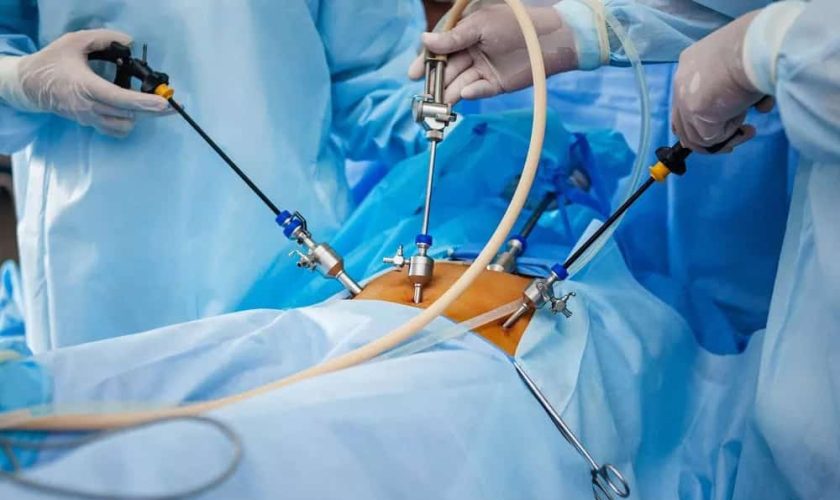
Endoscopy is a crucial diagnostic and therapeutic procedure that allows doctors to examine internal organs using a flexible tube equipped with a light and camera. It helps detect, diagnose, and sometimes treat medical conditions without the need for open surgery. 

However, one of the most common concerns among patients is the cost of endoscopy, which can vary widely depending on the type of procedure, location, and healthcare facility. Understanding the breakdown of these costs can help patients prepare financially and make informed healthcare decisions.

What Determines Endoscopy Costs?

The total endoscopy cost depends on several factors, including the type of endoscopy, hospital or clinic fees, professional fees, anesthesia, and additional laboratory or biopsy costs. Facility type plays a major role — procedures performed in hospitals are typically more expensive than those done in outpatient or specialized diagnostic centers. 

The use of anesthesia also affects the overall cost, as anesthesiologist fees and medication costs are added. Highly specialized gastroenterologists or surgeons may charge higher professional fees, while insurance coverage can significantly reduce out-of-pocket expenses if the procedure is deemed medically necessary. Being aware of these factors helps patients anticipate potential expenses and avoid unexpected medical bills.

Upper Endoscopy (Esophagogastroduodenoscopy or EGD)

An upper endoscopy examines the esophagus, stomach, and upper part of the small intestine to diagnose conditions such as ulcers, acid reflux, and gastrointestinal bleeding. On average, the cost of an upper endoscopy ranges from $800 to $3,000 without insurance. In some outpatient centers, the price may be lower, particularly if no biopsy is needed. 

If the procedure includes tissue sampling or therapeutic interventions like polyp removal or dilation, the cost can increase. Patients can save money by comparing prices among accredited clinics or checking if their insurance includes coverage for diagnostic endoscopies.

Colonoscopy

A colonoscopy is one of the most common endoscopic procedures and is performed to screen for colorectal cancer, detect polyps, and investigate causes of abdominal pain or rectal bleeding. The cost of a colonoscopy typically ranges from $1,000 to $3,500, depending on the facility and whether a biopsy or polyp removal is performed. 

In public hospitals or government health programs, the procedure may be subsidized or partially covered by insurance, reducing the total expense. For patients without insurance, outpatient diagnostic centers usually offer more affordable options compared to large hospitals.

Bronchoscopy

Bronchoscopy allows doctors to view the airways and lungs using a thin tube inserted through the nose or mouth. This procedure helps diagnose chronic cough, infections, or lung diseases. The typical cost ranges between $1,500 and $4,000, depending on whether sedation or general anesthesia is required. Advanced techniques, such as endobronchial ultrasound (EBUS), can further increase the cost due to the use of specialized equipment and imaging technology.

Cystoscopy

Cystoscopy is used to examine the bladder and urethra, often performed to diagnose urinary tract issues, recurrent infections, or bladder tumors. The average cost falls between $700 and $2,500, depending on the setting and the complexity of the procedure. Flexible cystoscopy, which is done under local anesthesia, is generally less expensive than rigid cystoscopy performed in an operating room under general anesthesia.

Laparoscopy

Laparoscopy is a minimally invasive surgical procedure that allows doctors to view organs in the abdomen and pelvis. It is commonly used to diagnose or treat conditions such as endometriosis, ovarian cysts, and gallbladder problems. Because it is a more complex form of endoscopy, the cost is higher, averaging $5,000 to $10,000. The price includes operating room fees, anesthesia, and possible overnight hospital stay.

Capsule Endoscopy

This modern diagnostic technique involves swallowing a small capsule containing a camera that captures images as it travels through the digestive tract. Capsule endoscopy is primarily used to detect bleeding or lesions in the small intestine that cannot be reached by traditional scopes. The cost typically ranges from $1,000 to $2,500, depending on the facility and analysis fees.

Ways to Save on Endoscopy Costs

Patients can manage costs by checking if their health insurance covers the procedure, especially when it is medically necessary. Comparing prices across hospitals and outpatient centers can also help find more affordable options. Some healthcare facilities offer package deals that include the doctor’s fee, anesthesia, and pathology costs. Additionally, government hospitals or public health programs may provide significant discounts or partial subsidies for diagnostic endoscopies.

Conclusion

Endoscopy is an invaluable tool in modern medicine, allowing doctors to detect and treat conditions early with minimal invasiveness. While the costs can vary based on the type of procedure, facility, and insurance coverage, understanding these differences helps patients make informed decisions and budget wisely. Whether you need a simple diagnostic endoscopy or a more advanced procedure like laparoscopy, knowing what to expect financially ensures that you can focus on your health with peace of mind.


read more
Health

Can Implants Be Lifted Without Being Replaced?

Understanding when breast implants can be repositioned safely without a full implant exchange.

Breast implants do not remain fixed forever. Over time, gravity, natural tissue changes, pregnancy, weight fluctuations, and aging can cause the breasts to descend, even when implants remain structurally intact. This often leads patients to ask an important question: can implants be lifted without being replaced?

In many cases, the answer is yes.

Board-certified plastic surgeon Dr. Siamak Agha of The Aesthetics Centers in Newport Beach regularly evaluates patients who want improved breast position without necessarily changing their implants. The key is understanding what actually causes the droop and whether the existing implants still support the patient’s long-term goals.

“A breast lift is about restoring structure and position. Implant replacement is only necessary when the implant itself is part of the problem.”

Why breasts can sag even with implants

Breast implants add volume, but they do not prevent natural tissue aging. The skin envelope and internal support structures gradually stretch over time. This procedure can result in:

  • Nipples pointing downward
  • Implants sitting lower on the chest
  • Loss of upper-pole fullness
  • A flattened or elongated breast shape

Importantly, this does not automatically mean the implants have failed. Many implants remain in excellent condition but simply require repositioning and soft-tissue support.

When implants can be lifted without replacement

Implants may be preserved during a breast lift when:

  • The implant size is still appropriate for the patient’s frame
  • The implant is intact and not ruptured
  • Capsular contracture is absent or mild
  • The patient is satisfied with current volume
  • Implant position can be corrected surgically

In these cases, a breast lift with implant preservation can restore shape while avoiding unnecessary implant exchange.

The procedure typically involves tightening the breast skin, reshaping internal tissue, repositioning the nipple, and adjusting the implant pocket if needed.

When replacement becomes the better option

There are situations where implant replacement is medically or aesthetically advisable, including:

  • Implant rupture or leakage
  • Advanced capsular contracture
  • Desire to change size or projection
  • Older implants are nearing the end of their lifespan
  • Significant implant malposition

During consultation, Dr. Agha evaluates implant age, integrity, positioning, and patient goals to determine whether preservation or replacement will deliver the safest and most natural result.

How implant repositioning works

When implants are retained, surgeons may:

  • Tighten or reinforce the internal implant pocket
  • Raise the inframammary fold
  • Repair stretched tissue support
  • Reshape breast tissue around the implant

This restores the implant to a more youthful position while improving breast contour.

Advanced internal support techniques are often used to reduce the risk of future descent.

Benefits of keeping existing implants

For appropriate candidates, preserving implants offers several advantages:

  • Shorter operative time
  • Reduced surgical cost
  • Less tissue disruption
  • Faster recovery
  • Maintained breast volume

Most importantly, it avoids unnecessary foreign-body replacement when current implants remain healthy.

Why surgeon experience matters

Breast lift surgery with implant preservation requires precise judgment. Over-tightening can distort shape, while under-correction can allow sagging to recur.

Dr. Siamak Agha is known for his advanced work in complex breast revision and reconstructive surgery, combining aesthetic refinement with structural durability to create stable long-term outcomes.

His approach focuses on internal support, natural contours, and maintaining breast softness while improving position.

Final thoughts

Breast implants can often be lifted without being replaced, but success depends on implant condition, tissue quality, and surgical expertise.

For many patients, preserving existing implants offers an effective path to a rejuvenated shape without unnecessary replacement surgery. A personalized evaluation remains essential.

If you are considering a breast lift and want to know whether your implants can be preserved, schedule a consultation with board-certified plastic surgeon Dr. Siamak Agha at The Aesthetics Centers in Newport Beach to receive a customized surgical assessment.

read more
Dental

What is the role of relaxation techniques in modern dental care?

Relaxation methods cut anxiety that stops many folks from getting the dental treatments they need. Dental fear hits about 36% of people, causing them to skip appointments while their mouth health gets worse. Modern offices bring in stress-cutting ways, making visits easier for nervous patients. Best Invisalign Dentist in NYC clinics know that emotional comfort directly impacts whether people accept treatments and stick with practices.

Breathing exercise applications

Breathing right actually switches on the part of your nervous system that calms you down, which fights back against the freakout happening during dental work. Dentists teach you belly breathing, where your stomach puffs out when you breathe in, not your chest going up and down. Counting your breaths gives your brain something else to focus on instead of obsessing over whatever’s going on in your mouth. Breathe in for four counts, hold it four counts, breathe out four counts – that rhythm chills you out. Dental people watch for when you’re tensing up – tight fists, body going rigid – and they’ll remind you to take some deep breaths. Best part? You don’t need any equipment or training. Anyone can do this stuff, no matter how worked up they get about the dentist.

Progressive muscle relaxation

Squeezing and releasing muscle groups cuts overall body stress and jaw clenching during treatment:

  • Start with feet, tensing muscles for 5 seconds, then letting go
  • Move to calves, thighs, and butt, following the same pattern
  • Go through the stomach, chest, and back muscles
  • Hit shoulders, arms, and hands in order
  • Finish with the face and jaw muscles that get affected most

Guided audio walks patients through steps during longer appointments. Practising before dental visits trains your body to chill out on command when stress hits.

Visualization and imagery

Mental pictures take your mind away from the dental chair to peaceful, made-up places. Patients picture beaches, woods, or favourite vacation spots with tons of sensory detail. Describing imagined scenes in your head keeps focus, stopping anxiety from building during work. Some offices give VR headsets showing nature scenes or fun content. Wall screens show fish tanks, landscapes, or calm abstract patterns as visual things to watch. These distractions keep your mind busy, leaving less room for procedure stress reactions.

Music and sound therapy

Noise-blocking headphones shut out high-pitched drill sounds that set off strong, bad reactions in anxious patients. Patients pick music types they like, creating personal soundscapes during treatments. Classical tunes, nature sounds, or special beats push relaxation through what you hear. Volume lets patients still catch dentist instructions while muting equipment noises. Some offices play guided meditation audio made just for dental anxiety. Sound therapy really helps during work, where talking between the patient and the dentist is limited.

Aromatherapy integration

Smell molecules directly hit the brain parts controlling emotions and stress reactions. Lavender oil cuts anxiety and promotes relaxation when spread around treatment rooms. Peppermint smell boosts alertness, helping patients stay calm but awake during work. Citrus smells like orange and lemon make uplifting moods, cutting depression tied to dental anxiety. Oil picks avoid allergy smells, making sure all patients handle room scents. Gentle aromatherapy improves the environment without overwhelming senses or pulling attention from clinical care.

Relaxation tricks transform dental experiences for anxious patients through breathing work, muscle relaxation, mental pictures, music therapy, and scents. These ways tackle mental blocks that stop people from maintaining mouth health through regular visits. Dentists bringing in stress-cutting stuff see better patient cooperation, treatment acceptance, and practice loyalty. Comfortable patients finish needed care instead of avoiding appointments until emergencies pop up.

read more
Dental

How to care for your veneers to ensure a beautiful smile for years

Veneers or a facade are your warrant to an unimpaired, eye-catching smile – but maintaining them picture-perfect takes more than just a glimpse in the mirror. Genuine care makes sure your veneers remain bright and enduring, saving you time and money, which is why visiting a trusted dentist near me is essential for long-term maintenance. Prepared to know the secrets to keep your dream smile? Let’s explore uncomplicated, yet successful, methods to keep your veneers looking remarkable.

What are facades, and how do they enhance your smile?

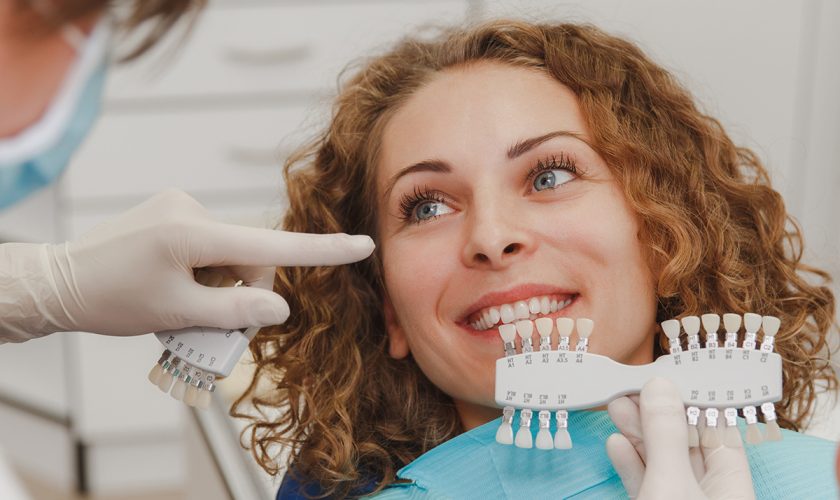
Veneers are exquisite but long-lasting shells of porcelain or compound resin customized to shield the front surface of teeth for a perfect end. They are customized to fit flawlessly, mixing naturally with your current teeth. 

Advantages of veneers. 

Visually pleasing enhancement. Veneers offer a shiny, similar look, covering up imperfections like fragments, splits, or discoloration. 

Blemish opposition. Unlike a real tooth, a porcelain facade opposes blemish from tea, coffee, wine, and other common culprits. 

Stable and enduring. When bothered rightly, veneers can stay whole for more than 10 years, proving to be a valuable investment. 

Most patients prefer facade to attain a shining smile quickly and successfully. The real finish and stability make them a top priority for anyone searching to improve their look. 

The significance of actual veneer care. 

Caring for the facade is not just about maintaining its appearance; it’s about ensuring its integrity and ensuring dental health remains optimal. Ignoring them can lead to unwanted damage, lowering their lifespan. 

Why protection matters. 

Safeguard stretch. A facade can last for ten to fifteen years with good preservation, saving you the need for frequent renewal. 

Maintains glow. Genuine care keeps veneers looking vibrant and shiny. 

Stops issues. Neglecting care routines can lead to periodontal disease (gum problems) or harm to the primary teeth.

Believe in veneer care as an addition to your overall dental health. A little attempt goes a long way in safeguarding your smile. 

Every day, practice to preserve your veneers. 

Good daily practice creates the backbone of veneer preservation. Backing a compatible dental hygiene practice makes sure that your veneers remain in a pristine state. 

Key routine for everyday care. 

Brush two times a day. Utilize a gentle bristle toothbrush to safeguard scrape on the veneers from scraping. Mild toothpaste is a must to maintain its gentle finish. 

Cleanse regularly. Softly cleanse between veneers and realistic teeth to take out plaque. Wash out with alcohol-free mouthrinse: this helps keep your mouth crisp without weakening the sticky connection holding your veneers. 

Foods and drinks to enjoy or stay away from. 

You can enjoy having gentle, bumpy fruits and veggies that are smooth on your teeth. Milk products like cheese and milk help develop dental health. Non-adhesive foods that don’t grip the veneer’s bottom. You can avoid dark drinks like tea, coffee, and wine because they can blemish your veneers. Then chocolates that are hard, ice, and nuts that may damage or crack your veneer substance. Along with this, stay away from acidic things and citrus fruits. 

read more
Health

Ayurvedic Skin & Hair Routine with Sunova Nourish Collection

Modern lifestyles and busy schedules can be tough on our skin and hair, often leaving them dull and stressed if not properly cared for. We may not have time for lengthy care routines, but exploring Ayurveda offers a holistic solution to maintain healthy hair and skin.

With Sunova Nourish Collection, you can truly enjoy the potent benefits of an Ayurvedic skincare routine that is both easy and effective for your busy life.

The Philosophy Behind Sunova’s Ayurvedic Beauty Care

Sunova is backed by a trusted heritage, blending age-old traditional wisdom with modern scientific research. Their philosophy is straightforward: make use of clinically researched, natural ingredients to develop solutions that are effective, safe and gentle for genuine well-being.

Step 1 – Cleanse Naturally: B&T Nourish Face Wash & Body Wash

The first rule of good skin is gentle cleansing. Unlike harsh soaps, the B&T Nourish Face Wash and Body Wash utilise natural extracts to gently deep clean the skin without drying it out. Your skin feels fresh, soft and balanced, ready to absorb the goodness of the next steps.

Step 2 – Repair & Glow: B&T Skin Radiance Cream & Lotion

After cleansing, it’s time to hydrate and nourish skin naturally. The B&T Skin Radiance Cream provides a boost of intensive nourishment, ideal for your face and dry areas, helping to restore your lost glow. For your whole body, the B&T Nourish Body Lotion provides lighter, everyday moisture.

Step 3 – Protect & Shine: B&T Nourish Shampoo & Sunscreen

A holistic routine also takes care of your hair. The B&T Nourish Shampoo is designed to repair your strands and bring back natural shine without heavy build-up. To protect your skin, the B&T Nourish Sunscreen shields it from the sun’s rays using gentle, natural ingredients.

Why Choose Ayurvedic Ingredients for Daily Nourishment?

  • They work in harmony with your body’s natural processes.
  • Ayurvedic herbs often offer deep, long-term benefits rather than just temporary fixes.
  • They are naturally potent and packed with antioxidants.
  • They reduce exposure to unnecessary, artificial chemicals and synthetic fragrances.

Clean Beauty Promise: Paraben-Free, Gentle, and Effective

Sunova takes its commitment to clean beauty seriously. That means you won’t find harmful additives like parabens in the Nourish Collection. By focusing on clinically tested natural ingredients, Sunova ensures that its natural body care products are incredibly gentle and safe for regular use.

How to Build a 5-Minute Ayurvedic Skincare Routine?

  • Cleanse yourself using a herbal face wash and a chemical-free body wash.
  • Apply Skin Radiance Cream to lock in moisture and nourish your skin.
  • After showering, apply body lotion for glowing skin.
  • Use natural sunscreen SPF before stepping out.

Conclusion

Following an Ayurvedic skincare routine doesn’t have to be complicated. With Sunova, you get the best of traditional wisdom in simple, modern products. By committing just a few minutes each day, you can nurture your skin and hair back to their natural, glowing best.

FAQs

Can I Use the Nourish Collection Daily?

Yes. The collection is made with gentle, natural ingredients specifically formulated for daily use to maintain long-term skin and hair health.

Is It Suitable for All Skin Types?

Absolutely, the products are formulated to suit all skin and hair types, even sensitive ones.

Is the B&T Nourish Shampoo suitable for coloured or treated hair?

Yes, this nourishing shampoo is free from parabens and harsh chemicals, so it’s safe for coloured and chemically treated hair.

read more
Featured

The Bio-Efficiency Blueprint: Why UK Professionals are Redefining “Fast Food” in 2026

The definition of “convenience” has undergone a massive transformation in the UK wellness space. In the early 2020s, convenience meant “fast.” In 2026, convenience means Bio-Efficiency. Modern professionals from the tech hubs of London to the creative quarters of Manchester no longer settle for meals that just fill a hole; they demand nutrition that fuels cognitive performance, metabolic health, and physical longevity.

The “grab-and-go” culture of the past led to a national energy crisis not of electricity, but of human vitality. Mid-morning sugar crashes and afternoon brain fog became the “new normal.” However, the 2026 wellness revolution has pivoted toward scientifically-backed, customisable nutrition. At the heart of this movement is a duo that has become the “standard kit” for the health-conscious Brit: the sophisticated meal replacement and the precision protein booster.

The Foundation: Beyond the Standard Shake

For many, the journey starts with a foundational meal that removes the guesswork from a busy morning. The days of cereal or high-carb toast are fading. Instead, people are looking for a balanced nutritional profile that provides stable energy for 4-5 hours.

This is where the herbalife shake uk market has seen a resurgence. Today’s Formula 1 isn’t just a weight-loss drink; it’s a high-performance fuel source. With a perfect blend of high-quality protein, fiber, and over 20 vitamins and minerals, it provides the essential nutrients your body needs to thrive in a high-pressure environment. But as we enter 2026, the real trend isn’t just taking the shake it’s mastering it.

The 2026 Upgrade: Precision Customisation

The most significant shift this year is the move away from “one-size-fits-all” portions. We now understand that a 6-foot-4 athlete and a 5-foot-2 creative director have vastly different protein requirements. If your morning meal doesn’t keep you full until lunch, the problem isn’t the meal; it’s the protein-to-calorie ratio.

To solve this, the most successful wellness advocates in the UK are turning to Herbalife Personalised Protein Powder. By adding this unflavoured, high-quality soy and whey blend to their shakes, users are effectively “tailoring” their nutrition. This “Formula 3” additive allows you to increase your protein intake without adding unnecessary sugars or fats, providing the satiety (fullness) needed to kill the “snack noise” that often derails a healthy day.

Why Satiety is the Secret to Success

In the UK, the “11 AM biscuit run” used to be a workplace tradition. In 2026, it’s being replaced by metabolic stability. When you buy herbalife formula 1 shake canisters, you are getting a complete nutrient profile. When you add the Personalised Protein Powder, you are adding “satiety insurance.”

Protein is the most thermogenic and satiating macronutrient. By hitting your personal “protein threshold” early in the day, you regulate your hunger hormones (Ghrelin and Leptin) for the next 12 hours. This isn’t just about weight management; it’s about focus. When your blood sugar is stable, your brain is sharp.

The UK’s New Wellness Standard

As we look toward the remainder of 2026, the trend of “smart food” is only accelerating. We are seeing more people move toward brands that offer both convenience and the ability to customise.

Ready to build your own bio-efficiency blueprint?

The first step is moving away from generic nutrition. Start by choosing your favourite flavor of Herbalife Formula 3 UK to customise your satiety, and pair it with the world-renowned herbalife formula 1 shake for a complete, high-performance start to your day.

The future of health isn’t about eating less; it’s about eating smarter. Join the 2026 revolution and experience what it feels like to be truly fueled.

read more
Dental

Dental Veneers: Everything You Need to Know Before Visiting a Dental Clinic in Dubai

Dental

Dental Veneers are a popular cosmetic option for improving the appearance of teeth, especially for those seeking a brighter, more uniform smile. This article explains how veneers work, the different types available, the treatment steps, and what patients can expect when visiting a dental clinic in dubai for veneer consultation or treatment.

What Are Dental Veneers?

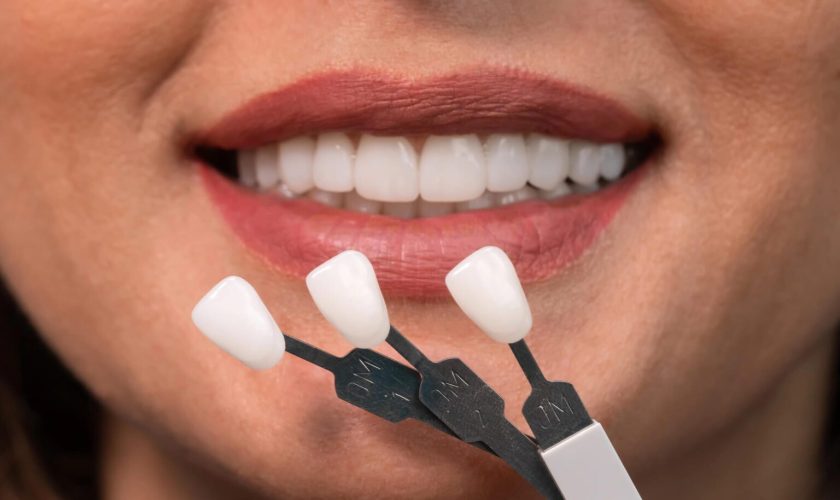
Dental Veneers are thin, custom-made shells placed on the front surface of teeth to enhance aesthetics. They help correct concerns such as discoloration, cracks, chips, gaps, or minor tooth misalignment. Because veneers blend naturally with existing teeth, they are widely chosen for smile enhancement.

Types of Dental Veneers

Patients visiting a dental clinic in dubai typically choose from:

1. Porcelain Veneers

  • Known for durability and natural-looking results
  • Stain-resistant
  • Often last many years with proper care

2. Composite Veneers

  • Made of resin material
  • More affordable
  • Can often be completed in a single appointment

3. No-Prep or Minimal-Prep Veneers

  • Require little to no tooth reduction
  • Suitable for select cases

Your dentist will help determine which veneer type is ideal based on your goals, tooth health, and budget.

Why People Choose Dental Veneers

Dental Veneers offer several benefits:

  • Improve tooth color
  • Correct uneven or chipped teeth
  • Reduce gaps and minor alignment issues
  • Provide natural-looking smile enhancement
  • Boost confidence without invasive surgery

Their versatility makes them a widely used cosmetic solution.

How the Veneer Procedure Works

The process at a dental clinic in dubai typically includes:

1. Initial Consultation

Assessment of oral health, discussion of aesthetic goals, and taking digital scans or impressions.

2. Tooth Preparation

A thin layer of enamel is removed to ensure the veneer fits naturally.

3. Temporary Veneers (If Needed)

Temporary covers may be placed while custom veneers are being created.

4. Veneer Placement

The dentist bonds the custom-made Dental Veneers to the teeth and checks fit, shape, and bite alignment.

Caring for Your Dental Veneers

Proper care helps maintain the longevity and appearance of veneers:

  • Brush twice daily using a soft-bristle brush
  • Avoid biting hard objects
  • Visit your dental clinic in dubai regularly for check-ups
  • Limit staining foods and beverages
  • Wear a night guard if you grind your teeth

With consistent care, Dental Veneers can last many years.

Are You a Good Candidate?

You may be a suitable candidate for Dental Veneers if you:

  • Have healthy gums and teeth
  • Want to correct surface-level aesthetic concerns
  • Prefer a minimally invasive cosmetic option
  • Are looking for long-term smile enhancement

A consultation helps confirm eligibility and determine the best veneer type for your goals.

Conclusion

Dental Veneers provide a reliable and effective way to transform the appearance of your smile. Whether you’re addressing discoloration, chips, or gaps, veneers offer natural and long-lasting aesthetic results. Visiting a qualified dental clinic in dubai ensures proper evaluation, precise treatment planning, and a smooth experience from consultation to final placement.

read more