Choosing the right orthodontic treatment often involves comparing both effectiveness and cost. Invisalign has become a popular alternative to traditional braces due to its clear, removable aligners and discreet appearance. Understanding how the cost compares to traditional braces can help patients make informed decisions about which option best fits their needs, lifestyle, and budget, especially when considering how much is Invisalign and how it varies from case to case.
Cost of Traditional Braces
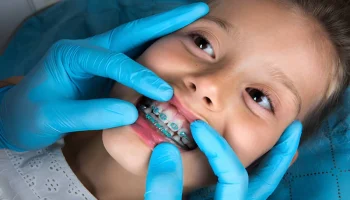
Traditional metal braces are generally considered more affordable than Invisalign. The average cost of metal braces ranges between $3,000 and $7,000, depending on the complexity of the case, the length of treatment, and the clinic’s location. Braces require periodic adjustments, which are included in the total cost, and may involve additional expenses for special orthodontic tools or appliances.
Ceramic braces, which are less visible than metal braces, are usually slightly more expensive, typically ranging from $4,000 to $8,000. Lingual braces, which are placed behind the teeth for a completely hidden look, can be significantly more expensive, with costs reaching $8,000 to $10,000 or more.
Invisalign Costs
Invisalign treatment generally ranges from $4,000 to $8,000, depending on factors such as the severity of alignment issues, geographic location, and the orthodontist’s expertise. Mild cases with minimal misalignment require fewer aligners, resulting in lower costs, while more complex cases may require additional aligners and refinements, increasing the total price. Treatment duration and the need for follow-up adjustments can also affect the overall cost.
Comparing Value
While Invisalign may have a higher starting price than traditional metal braces, many patients consider it worth the investment due to its convenience and aesthetic benefits. The removable aligners make eating, drinking, and maintaining oral hygiene easier compared to braces. Invisalign is also nearly invisible, making it a popular choice for adults and teens who prefer a subtle approach to orthodontic treatment.
Additional Considerations
Both treatment options may involve hidden costs, such as pre-treatment dental work, follow-up visits, or refinements. Insurance coverage and payment plans can also affect affordability. Some dental insurance plans partially cover traditional braces and Invisalign, but coverage varies. Many clinics offer financing options to make treatment more manageable and to help patients budget over the course of treatment.
Conclusion
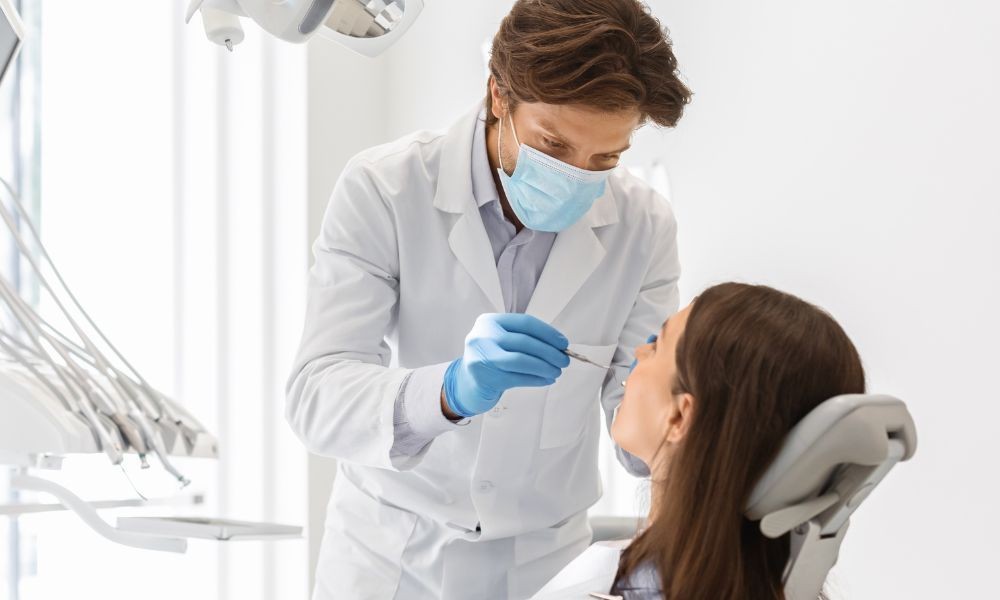
Invisalign and traditional braces differ in cost, benefits, and convenience. Traditional metal braces are often more affordable and effective for complex cases, while Invisalign offers a discreet, comfortable, and convenient alternative, sometimes at a higher price. Patients should consider treatment complexity, lifestyle, appearance preferences, and financial factors when choosing the best orthodontic option. Consulting with a qualified orthodontist ensures a personalised treatment plan, clear cost expectations, and successful results, helping patients achieve a straighter, healthier smile.