close

October 2026

Health

ReHears Reviews: Are There Side Effects?

As a veteran carpenter with over twenty years of experience in custom woodworking and home framing, my ears have taken a severe beating. Between the relentless screaming of table saws, the high-pitched whine of routers, and the constant thumping of pneumatic nail guns, hearing protection has always been an essential part of my toolkit. However, even with quality ear defenders, decades on noisy job sites inevitably leave a mark. By the end of a long workday, my ears would feel tight, heavy, and completely exhausted. Worse yet, a persistent high-pitched buzzing-that unwelcome companion known as tinnitus-followed me home every single evening. Simple daily activities, such as sitting down for dinner with my family or discussing project blueprints with clients, required constant mental effort just to filter out the background noise and follow speech. When I first learned about the ReHears wellness earpiece, I was intrigued, though naturally skeptical. As someone who values solid craftsmanship and tangible results, I decided to purchase one and put it through a rigorous, hands-on test in my daily life.

Life in the Shop and the Toll on My Ears

Working in heavy woodworking means spending eight to ten hours a day surrounded by high-decibel machinery, heavy dust extractors, and sudden acoustic spikes. Even when you are diligent about wearing ear muffs, intense sound vibrations still penetrate through bone and tissue around the ear. Over time, this chronic auditory stress creates profound listening fatigue. By five o’clock in the evening, my ears often felt stuffed and dull, as if someone had stuffed them with cotton. Traditional sound-amplifying devices never felt like the right choice for me because I did not need environmental noise turned up louder; my underlying problem was deep cellular strain, acoustic irritation, and continuous inner ear ringing.

That realization is what led me to try the ReHears device. Unlike standard hearing devices that merely amplify ambient sounds through micro-speakers, ReHears is engineered as a non-invasive, therapeutic wellness tool. It relies on photobiomodulation-popularly known as red light therapy-to deliver targeted light energy deep into the ear canal. The goal is to stimulate inner ear cellular recovery, improve localized micro-circulation, and quiet overactive acoustic nerve signals right at the source. For a carpenter who understands physical mechanics and structural maintenance, the science of cellular energy repair made total sense, and I was eager to see if daily light therapy sessions could bring real comfort to my tired ears.

Unboxing, Design, and Daily Setup

When the ReHears package arrived, the first thing I inspected was its build quality and ergonomics. In my trade, you quickly learn to spot the difference between cheap plastic throwaways and tools built for durability. The device arrived in a clean, sturdy packaging setup and rested securely within a compact charging case that easily fits into a pocket or tool kit. The earpiece itself is remarkably lightweight, featuring sleek contours and soft silicone ear tips provided in multiple sizes. I selected the medium tip, which formed a comfortable, snug seal inside my ear canal without causing pressure or irritation.

Operating the device could not be easier. It features simple touch controls, which is a major advantage after an exhausting day on the job site when you do not want to wrestle with complicated mobile apps or microscopic dials. Once turned on, the earpiece delivers targeted 650-nanometer red light therapy into the ear canal. The treatment is completely gentle-there are no UV rays, zero sharp heat, and no discomfort. In fact, within just a couple of minutes of starting a session, all I felt was a mild, soothing warmth spreading gently through my ear.

Integrating ReHears into My Daily Routine

To give the product a fair evaluation, I integrated ReHears into my daily evening routine for five consecutive weeks. My process was straightforward: after powering down the shop tools, hanging up my apron, and clearing off the workbenches, I would sit down in my quiet home office or on the back porch with a cup of coffee. I inserted the earpiece, touched the button to start the program, and let the automated fifteen-to-twenty-minute light session run.

Because the device is lightweight and wireless, I could comfortably read through lumber orders, review client estimates, or simply relax while the red light therapy went to work. The earpiece automatically powers down when the session is complete, eliminating any need for timer watching. Once finished, I gave the silicone tip a quick wipe, placed the device back into its protective charging case, and went about my evening.

Noticeable Results: Muted Ringing and Sharper Speech Clarity

During the first week of consistent use, the primary benefit I felt was deep physical relaxation. The gentle warmth helped release the tightness and soreness I typically held around my jaw and ears after wearing heavy muffs for hours. It provided a soothing, calming effect after a long day in a high-decibel environment.

By the third week, the structural improvements became undeniable. The persistent high-pitched ringing that used to dominate quiet evenings had dropped significantly in intensity. Instead of an abrasive, constant buzz, it softened into a barely noticeable background hum. For the first time in years, I could sit in a quiet room without feeling like a power saw was idling in my head. The relief

Where to Buy ReHears

When buying cutting-edge personal health devices, authenticity is critical, so always visit the official storefront of ReHears. Ordering straight from the maker provides comprehensive consumer protections, valid factory warranty coverage, secure payment options, and reliable shipment tracking straight to your front door.
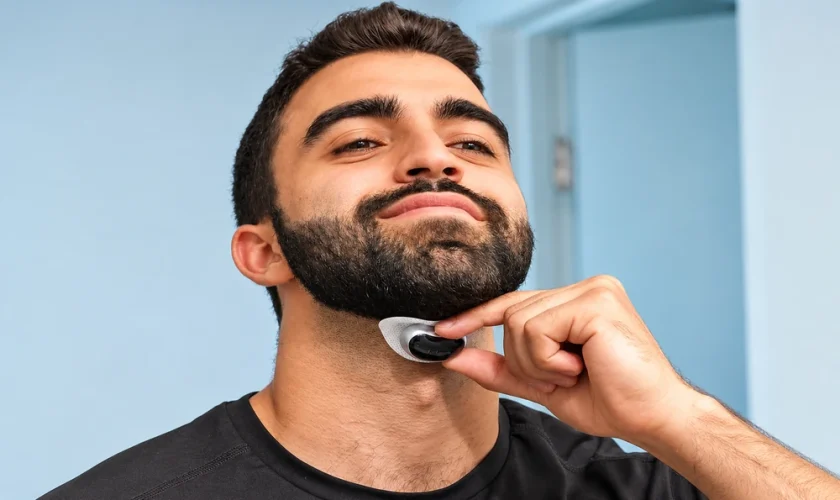
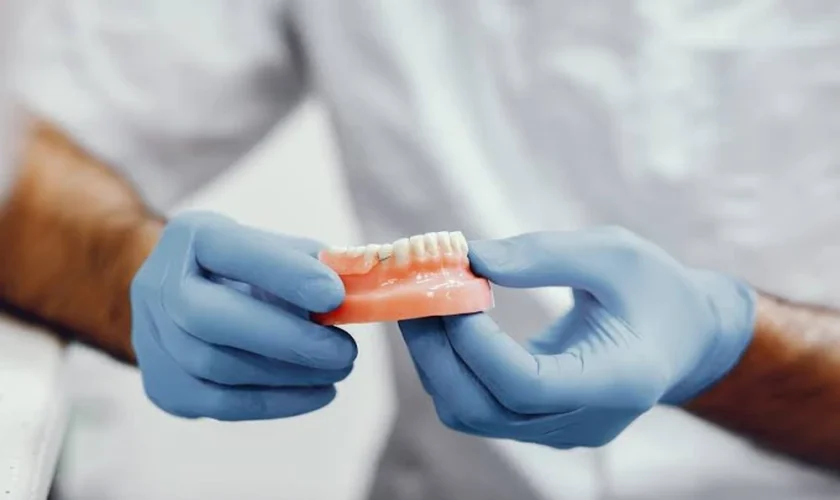
read more
Wellness Hub

SleepEase Pro Reviews: What Comes in the Box?

As a full-time real estate agent, my days are fast-paced, highly demanding, and mentally taxing. Between hostings open house events, managing client walkthroughs, negotiating contracts, and handling late-night client calls, my energy needs to be at 100% from morning until night. For years, however, I was fighting a silent-or rather, extremely loud-battle behind closed doors: chronic snoring. I woke up almost every morning feeling like I had barely slept, plagued by brain fog and relying on three or four cups of coffee just to get through my morning appointments. Worse still, my intense snoring was keeping my spouse awake night after night. Eventually, we resorted to sleeping in separate bedrooms, which took a heavy emotional toll on our home life. I tried everything from nose strips and jaw-positioning mouthguards to bulky anti-snore pillows, but nothing offered a comfortable or lasting fix. That was until I decided to test out the SleepEase Pro anti-snoring device.

I was naturally skeptical before trying yet another sleep gadget, but the concept behind SleepEase Pro caught my attention because it targets the actual muscular root cause of snoring rather than just masking the sound. Being on the move constantly for work, I needed something lightweight, discreet, and simple to operate. After using it consistently every night for over a month, I am excited to share my hands-on experience in this review and explain how this small device completely restored my sleep, brought back my daily energy, and saved our quiet nights at home.

Understanding SleepEase Pro and How It Works

What sets SleepEase Pro apart from traditional anti-snoring mouthpieces or bulky chin straps is its integration of Electrical Muscle Stimulation (EMS) technology. When we fall into deep sleep, the muscles in our throat and upper airway naturally relax. For chronic snorers like me, this muscle relaxation causes the airway to narrow, resulting in tissue vibrations that produce loud snoring sounds. Instead of forcing your jaw forward with hard plastic or wearing an invasive nasal clip, SleepEase Pro attaches comfortably under your chin using a soft, hypoallergenic adhesive patch or comfort strap.

The unit itself is remarkably compact and weighs only 14 grams, making it feel virtually weightless once applied. It features intelligent biofeedback sensors that automatically detect snoring vibrations in real time. The moment snoring starts, the device delivers painless micro-stimulations to the throat muscles, prompting them to contract slightly and stay toned. This action keeps your airway open without waking you up or interrupting your sleep cycle. It comes with three customizable intensity levels, allowing you to select the precise setting that fits your specific needs.

My First-Hand Testing Experience

Setting up SleepEase Pro on my first night took less than two minutes. I fully charged the device using the included USB cable, attached one of the reusable comfort patches to the back of the host unit, placed it under my chin, and turned it on at the lowest intensity level. I had been concerned that having a device attached to my neck might feel intrusive or interfere with my sleep, but the light construction meant I quickly forgot I was even wearing it.

I woke up the following morning feeling noticeably more refreshed than I had in months. There was zero morning jaw stiffness, which had been a major drawback when I tried oral appliances in the past. When I asked my wife how the night went, she gave me the ultimate validation: she had slept soundly through the night without hearing a single loud snore from my side of the bed. Over the next couple of weeks, I bumped the device up to the second intensity level to optimize performance. The impact on my daily productivity was immediate. I no longer experienced that dreaded 3 p.m. energy crash while showing homes to potential buyers, my mental focus during contract reviews was sharper, and I was finally able to move back into our master bedroom full-time.

Key Features That Made a Big Difference

Discreet and Portable Design

Because my real estate work often requires travel for conferences and property appraisals across different regions, portability is crucial. SleepEase Pro fits easily into a small travel kit or pocket, making it effortless to take anywhere without carrying bulky accessories.

Automated Smart Detection

You do not need to worry about connecting to complicated phone apps or configuring manual timers before going to sleep. Once you power on the unit and place it under your chin, the internal sensors operate automatically throughout the night while you rest peacefully.

Reliable Battery Life

The device provides up to 10 hours of continuous operation on a single charge. The included charging cable makes it effortless to charge during the day so it is always ready before bedtime.

Long-Term Muscle Retraining

Unlike simple physical barriers that only work while worn, the micro-pulses in SleepEase Pro help strengthen and re-educate the airway muscles over time. The gentle stimulations tone the tissues effectively without causing pain or disrupting deep sleep phases.

Final Verdict

After testing SleepEase Pro over several demanding weeks of open houses, late client meetings, and busy work schedules, I can say without hesitation that this device has made a monumental difference in my daily life, health, and relationship. Waking up genuinely rested has restored my stamina during long work days, eliminated my morning brain fog, and brought peace and quiet back to our home.

If you are tired of waking up exhausted and want a modern, comfortable, and effective solution to chronic snoring, SleepEase Pro is worth buying. It is a valuable investment in your health and overall quality of life that pays off from the very first night.

Where to Buy SleepEase Pro

Don’t risk purchasing knockoff devices from unauthorized web merchants; choose the official website for SleepEase Pro instead. Direct orders guarantee top-tier build quality, official brand warranties, and immediate access to replacement hydrogel pads whenever needed for continuous nightly use.

read more
Pain Management

FisioRest Reviews: Is 15 Minutes Enough?

Working as a full-time barista means my days are filled with the rich aroma of freshly ground espresso beans, the steady hum of coffee grinders, and an endless stream of cafe patrons. But behind every detailed latte art design lies an unspoken physical toll. Spending eight to ten hours a day leaning over an espresso machine, tamping portafilters, pulling shots, and constantly staring downward at steam wands takes a serious toll on your body. By the end of a busy weekend rush, my neck felt like a solid block of concrete, locked in tension and sending dull aches straight into my shoulders. I tried basic heating pads and quick neck stretches, but nothing gave me lasting relief-until I decided to test out the FisioRest 3-in-1 therapeutic neck pillow.

When I first ordered the FisioRest neck massager, I was admittedly a bit skeptical. I had seen plenty of trending wellness gadgets promise fast results, only to end up collecting dust on a shelf. However, after learning how this device combined three distinct therapies into a single contoured pillow, I knew I had to give it a real, hands-on trial after my heaviest cafe shifts.

My Daily Grind: Why My Neck Needed Serious Help

To understand why I needed this device so badly, you have to picture the daily physical mechanics of barista work. The job is far more strenuous on the upper spine than most people realize. Hours of forward-head posture-often called tech neck or barista neck-put constant pressure on the cervical spine. Reaching for milk jugs, bending down toward low refrigerators, and lifting heavy coffee bags create a recipe for deep muscle knots and stubborn stiffness.

I found myself coming home every evening feeling physically spent, unable to comfortably relax on the couch because my neck simply could not settle into a comfortable position. My neck mobility was dropping, and tension headaches were becoming a regular part of my night. I realized I needed more than just a quick manual stretch; I needed targeted spinal support and true recovery.

Discovering the FisioRest 3-in-1 Therapeutic Neck Pillow

When the package arrived, my initial impression was very positive. The FisioRest is crafted from high-density, slow-rebound memory foam that feels remarkably supportive while remaining comfortable against the skin. It features a distinct ergonomic curve engineered specifically to cradle the back of the head while supporting the natural alignment of the cervical spine. Unlike bulky massagers with hard plastic nodes that dig painfully into your bones, the soft, breathable fabric of the FisioRest feels cozy and gentle.

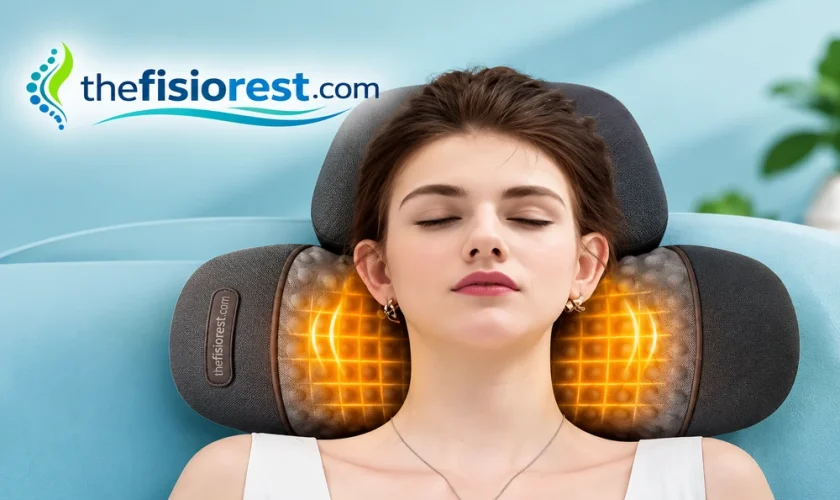
The main selling point of the FisioRest is its 3-in-1 design philosophy. Rather than relying on a single method for pain relief, it integrates cervical traction decompression, adjustable thermal heat therapy, and targeted vibration massage into one portable pillow.

Testing the 3-in-1 Relief Features in Real Life

I committed to using the device every evening for fifteen minutes immediately following my shift at the coffee shop. Here is how each of the three core functions performed during my hands-on testing:

1. Ergonomic 26-Degree Cervical Decompression

The pillow incorporates a specialized 26-degree angle engineered to stretch the cervical spine gently while you lie flat on your back. The moment I laid my head down onto the pillow, I felt an immediate, gentle traction that opened up tight space in my neck. After spending hours hunched forward over espresso group heads, this structural decompression felt incredible. It helps reverse the downward pressure caused by bad posture, allowing tight neck muscles to completely disengage.

2. Soothing Thermal Heat Therapy

Heat is essential for loosening stiff muscle fibers before they can properly relax. The built-in heating elements in the FisioRest warm up rapidly, delivering deep warmth directly to the base of the skull and upper back. I loved having the option to adjust the heat level based on how fatigued my muscles felt. On cold, rainy shifts where my shoulders were extra tense, sitting back with the deep heat feature felt like bringing a luxury spa treatment home.

3. Targeted Vibration Massage

To complete the therapeutic experience, the pillow features adjustable vibration massage settings designed to stimulate blood circulation and break up stubborn muscle knots. Instead of harsh, aggressive pounding, the vibration delivers a smooth, soothing rhythm that releases tight fascia without aggravating sensitive points. Combined with the heat and gentle decompression, the vibration quickly lulls sore muscles into deep relaxation.

How I Integrate FisioRest Into My Daily Routine

Integrating the FisioRest into my daily post-work routine was effortless. After kicking off my work boots and pouring a glass of water, I lie flat on my living room rug, place the pillow beneath my neck, select my preferred heat and vibration settings, and let the device work for 15 minutes. Within minutes, the physical stress built up from a hard shift simply melts away.

Within just a few days of consistent use, I noticed a dramatic improvement in how my body felt. The nagging tight feeling at the base of my skull disappeared, my posture during my shifts naturally improved, and my evening tension headaches became a thing of the past. Even my sleep quality improved significantly because I was no longer carrying physical tension into bed with me.

Final Verdict: Is the FisioRest Worth It?

As someone who spends all day on their feet, bending over counters and grinding through hectic morning coffee rushes, finding a reliable recovery tool has completely changed my daily routine. The FisioRest therapeutic neck pillow lives up to its claims by bringing together effective cervical traction, soothing heat therapy, and gentle vibration in a high-quality memory foam design.

After testing it thoroughly through busy work weeks and long hours on my feet, I can confidently say that FisioRest is worth buying. If you suffer from daily neck stiffness, posture fatigue, or stress-induced upper body tightness, adding this 3-in-1 therapeutic pillow to your daily routine is one of the best investments you can make for your everyday physical health.

Where to Buy FisioRest

Consumers looking for effective neck tension relief should purchase their device directly from the official FisioRest product store. Choosing the primary digital storefront ensures you get authentic equipment, updated firmware designs, protected transaction processing, and responsive support whenever you need help.

read more
Pain Management

Back Restore Reviews: What Are Its Limits?

If you have ever spent eight to ten hours straight sitting behind the wheel of a heavy city bus, you already know what real back pain feels like. As a professional bus driver for over twelve years, my lower back has taken a beating from potholed city streets, constant engine vibrations, and endless hours spent in a rigid driver seat. By the end of every shift, my lumbar spine felt compressed, stiff, and completely exhausted. Walking from the bus depot to my personal vehicle often felt like an endurance test. After trying almost every lumbar pillow, heating pad, and foam roller on the market with limited success, I decided to test out the Back Restore lumbar therapy device.

I came across Back Restore after reading about its triple-action approach that combines motorized dynamic traction, deep thermal therapy, and high-frequency vibration massage. It claimed to decompress the spine and relieve lower back tightness in just fifteen minutes a day right from the comfort of your home. I was naturally skeptical because I had bought plenty of gimmicky massagers in the past, but my aching spine convinced me to give it a fair trial. Here is my honest, detailed review after testing Back Restore every evening following my daily bus routes.

Life Behind the Wheel: Why My Lower Back Was Screaming for Help

Driving a city bus is far more taxing on the spine than most people realize. When you sit for prolonged hours, your natural lumbar curve flattens out, placing incredible mechanical stress on your lower vertebrae and intervertebral discs. Combine that static sitting posture with the constant micro-vibrations of heavy machinery and sudden traffic stops, and you have a recipe for severe lower back strain. For years, I would arrive home with tight lumbar muscles, stubborn muscle knots, and occasionally that burning, radiating sciatic discomfort running down my leg.

My daily routine after work used to consist of lying flat on the hard living room floor, trying to pull my knees to my chest or placing hot water bottles under my back. While those methods provided a few brief minutes of temporary comfort, they never addressed the actual mechanical pressure trapped in my lower back. My lumbar spine needed real decompression-a structured way to gently stretch open those squeezed disc spaces while relaxing the surrounding muscles that had been bracing all day.

Unboxing and My First Impression of Back Restore

When the package arrived, I opened it up to find a sleek, compact cushion device with a built-in ergonomic contour specifically shaped for the lower spine. It felt solid and well-built without being overly heavy or bulky. The package included a user-friendly handheld remote control that lets you manage all the settings without having to twist or strain your back while lying down.

Following the setup instructions, I placed Back Restore on a firm carpeted floor in my living room. I slowly lowered myself down and positioned the center ergonomic curve directly beneath my lower back. Even with the power off, the natural arch of the device immediately provided comfortable posture support to my lumbar curve. I plugged it in, grabbed the remote control, and started my very first fifteen-minute session.

How Back Restore Works: The Triple-Action Therapy in Action

What sets Back Restore apart from standard massagers is how its three main therapeutic features work together in a synchronized cycle. It does not just vibrate against your skin; it actively moves and warms your spine to target the root cause of lower back tightness.

1. Motorized Dynamic Traction

Once activated, the internal lift mechanism gently rises and falls, creating a smooth, rhythmic traction motion. As the middle section lifts, it gently arches your lower back, creating space between compressed vertebrae. When I first felt it lift my lumbar region, I could literally feel the tight pressure melting away. It acts like an automated physical therapy stretch that elongates the spine effortlessly.

2. Deep-Penetrating Thermal Therapy

Along with the motorized traction, Back Restore delivers calibrated, soothing warmth deep into rigid lumbar tissue. For a driver coming off a long shift, this thermal function is pure bliss. The heat increases local blood circulation, relaxes stiff muscle fibers, and makes the spine far more pliable during the dynamic stretching cycle.

3. High-Frequency Vibration Massage

To round out the session, high-frequency acoustic vibrations pulse through the cushion. These gentle oscillations target hyperactive nerve signals and help break down stubborn muscle knots along the lower spine. You can easily adjust the intensity using the handheld remote control depending on whether you want a soft, relaxing hum or a deeper pulse massage.

The Results: How 15 Minutes a Day Transformed My Daily Routine

After using Back Restore consistently for several weeks right after my driving shifts, the difference in my overall comfort has been remarkable. My evening routine now consists of lying down on the device for fifteen minutes while listening to music or relaxing. When the automated cycle finishes, I follow the recommended steps by rolling onto my side before standing up.

The immediate feeling after rising is lightness. The stiffness that used to lock up my lower back when getting up out of a chair is significantly reduced. I no longer spend my evenings groaning on the sofa or constantly shifting around to find a pain-free position. Even better, my stamina during my driving shifts has improved because my lower back starts each day feeling refreshed and properly supported rather than fatigued from the day before.

Final Verdict: Is It Really Worth It?

As someone who puts heavy strain on their body every single day behind the wheel of a bus, finding effective, home-based back care tools is essential. Back Restore delivers on its promise by combining gentle motorized decompression traction, soothing deep heat, and targeted vibration into one easy-to-use, convenient unit. It eliminates the hassle and high recurring expenses of frequent clinic visits while providing on-demand relief whenever your spine needs it most.

If you suffer from lower back stiffness, compressed discs, sciatic tension, or long hours of sitting at work, taking care of your spinal health should be a top priority. Based on my hands-on experience and the noticeable improvements in my daily mobility, Back Restore is worth buying. It has given me back my comfort both on and off the road, making my daily route much easier to manage.

Where to Buy Back Restore

To avoid counterfeit designs that fail to support your back correctly, stick to authorized direct-to-consumer sales channels. You can safely order your unit via the official Back Restore shop, ensuring you receive a 100% original product along with comprehensive warranty terms, prompt customer care, and reliable home delivery.

read more
Health

ResQVac Reviews: Is It Suitable for Kids?

As a senior nursing home administrator with over fifteen years of experience managing long-term eldercare facilities, my top priority is ensuring the safety, health, and immediate protection of our residents. In a senior care setting, choking is one of the most sudden and dangerous emergencies we encounter. Many of our residents deal with dysphagia, Parkinson’s disease, stroke recovery, or general muscle weakness, making mealtime a moment that requires constant vigilance. While our clinical staff is thoroughly certified in standard cardiopulmonary resuscitation and choking protocols, traditional methods like abdominal thrusts or back blows carry significant risks of severe soft-tissue injury or rib fractures in fragile elderly individuals. That is why I personally took the initiative to evaluate, procure, and test the ResQVac anti-choking device for our facility’s emergency response setup.

When reviewing medical safety tools, I approach every product with realistic scrutiny. High-flying marketing promises mean nothing if a device is cumbersome to assemble or fails to perform under intense pressure. Over the past month, my nursing staff and I put the ResQVac through extensive hands-on testing and simulated emergency drills to evaluate its design quality, manual suction strength, physical ergonomics, and overall ease of use. What we experienced was an exceptionally well-designed, dependable device that fills a critical gap in non-invasive airway management.

Unboxing and Physical Build Quality

Upon unboxing the ResQVac, my initial impression was centered on its sturdy, clinical-grade construction. The unit feels lightweight yet solid, constructed from high-durability, impact-resistant molded plastic that can handle fast, urgent manipulation without cracking or flexing. Portability and rapid deployment are vital during an airway blockage, and the ResQVac fits comfortably in hand without feeling bulky or awkward.

The system comes with multiple mask sizes, allowing for a tight, custom seal on both adults and smaller individuals, alongside specialized anatomical tip options. One feature that immediately impressed our clinical team is the transparent valve and suction chamber design. In an emergency, clear visual feedback is critical for caregivers to know if an obstruction has been successfully extracted from the patient’s upper airway. The transparent window provides instant visual confirmation without delaying action.

Testing Suction Power and Operation in Practice Drills

To truly understand how the ResQVac performs, we ran hands-on testing sessions with our head nurses, certified nursing assistants, and staff members during our routine safety training. Operating the device follows an intuitive three-step concept: selecting the appropriate mask size, placing it over the patient’s nose and mouth to form an airtight seal, and engaging the manual plunger handle to generate negative suction pressure.

During our practical testing, the manual suction power was remarkably strong and consistent. The ResQVac operates entirely without batteries, electrical cords, or external power supplies. With just one or two hand pumps, the device creates powerful negative pressure capable of dislodging stubborn obstructions. Crucially, the internal one-way safety valve prevents air from being pushed back into the throat when the plunger handle resets. This ensures that a blockage is never accidentally pushed deeper into the airway-a major structural advantage over basic suction tools.

Key Advantages for Care Facilities and Home Use

Through our thorough evaluation, several major advantages stood out that make the ResQVac a standout option for both healthcare environments and residential households:

Non-Invasive Airway Clearance

For elderly residents with delicate bones, traditional Heimlich maneuvers can inadvertently cause broken ribs, bruised sternums, or internal tissue damage. The ResQVac operates entirely from the outside by creating a secure seal over the mouth and nose. It draws blockages outward safely and efficiently without putting physical stress on fragile skeletons.

Total Battery Independence

Electronic suction units are fantastic until a power outage hits, a battery runs low, or a charging cable goes missing. Because the ResQVac is 100% hand-powered, it is always ready to operate at a moment’s notice. Whether stored in a facility crash cart, kept in a vehicle during resident field trips, or stored on a kitchen shelf at home, it works instantly whenever needed.

Simple, Panic-Proof Operation

During our staff drills, non-clinical workers were able to master the operation of the ResQVac in under two minutes. The intuitive handle, clear mask alignment, and straightforward design take the guesswork out of emergency care, enabling anyone to respond quickly and calmly when every second counts.

Final Verdict: Is the ResQVac Worth Buying?

After putting this anti-choking device through comprehensive testing alongside my clinical team, I can state with absolute confidence that the ResQVac is worth buying. Whether you manage a senior living community, act as a primary caregiver for an aging parent, or simply want to safeguard your family against mealtime emergencies at home, this tool offers practical, life-saving value. Its combination of rapid manual suction, one-way directional airflow safety, visual obstruction confirmation, and effortless operation makes it an indispensable safety asset. Incorporating the ResQVac into our facility has given our staff and residents immense peace of mind, and I highly recommend it to anyone looking to elevate their emergency preparedness.

Where to Buy ResQVac

Proper choking rescue preparation involves acquiring tools that function efficiently when seconds count. To guarantee the authenticity and structural integrity of your anti-choking device, purchase directly from the official store for ResQVac. Direct orders ensure authentic components, reliable suction performance, and peace of mind for every caregiver and family member.

read more
Health

5 Thoracic Spine Fracture Treatment Factors to Know

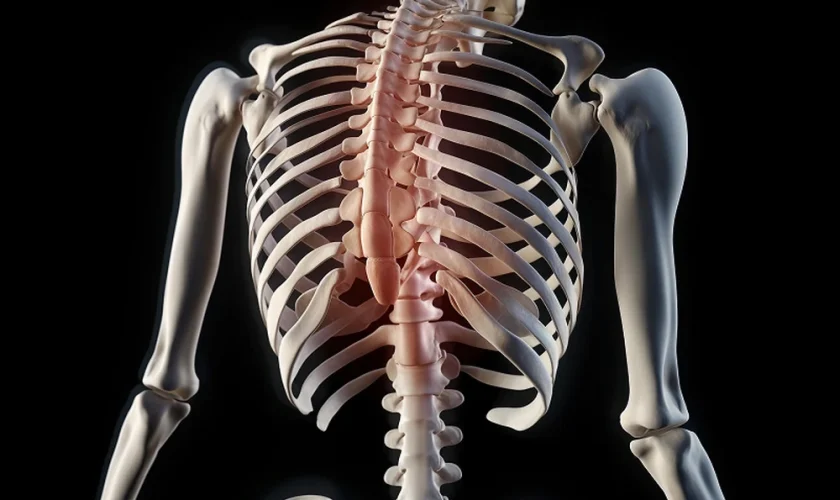
The thoracic spine forms the middle section of the spinal column and sits between the cervical spine in the neck and lumbar spine in the lower back. An injury in this region can range from a stable fracture requiring conservative care to a more complex injury requiring specialist intervention.

When researching thoracic spine fracture treatment, it is important to remember that management depends on the specific injury. The fracture pattern, stability, neurological findings, underlying bone health and mechanism of injury can all influence clinical decisions.

A thoracic spinal fracture may occur after significant trauma, although weakened bones can change the level of force needed to cause a fracture. Clinical orthopaedic pathways recognise thoracic vertebral fractures among conditions requiring specialist assessment.

1. Assess the Type and Severity of the Fracture

Treatment starts with understanding what has happened to the vertebra. Different fracture patterns can have different implications for stability and treatment.

A clinician may review how the injury occurred, the location of pain and any neurological symptoms before deciding which investigations are appropriate. Imaging can help define the injury and provide information for treatment planning.

Avoid assuming that two people with fractures in the same spinal region will require identical treatment. The underlying characteristics of each injury matter.

2. Check for Neurological Symptoms

The spinal column protects the spinal cord and associated nerves, so neurological findings are an important part of assessment.

Symptoms such as numbness, weakness, altered sensation or changes in coordination should be reported clearly. The timing of these symptoms can also matter.

A spine pain specialist may assess strength, sensation, reflexes and movement as part of a wider clinical examination. Neurological changes can influence the urgency and type of treatment required.

3. Consider the Role of Imaging

A suspected spinal fracture may require imaging to establish the location and characteristics of the injury. The exact investigation depends on the clinical situation.

Patients should bring information about the injury mechanism, previous scans and relevant medical history to an appointment where possible. This can help the clinician build a clearer picture of the problem.

Imaging should be interpreted alongside the physical examination rather than treated as a standalone answer.

4. Discuss Non-Surgical and Surgical Options

Some spinal fractures can be managed without surgery, while others may require an operation. The appropriate approach depends on factors such as fracture stability, deformity, neurological involvement and the person’s wider health.

Treatment may involve pain management, activity modification, rehabilitation and monitoring in suitable cases. More complex injuries can require surgical stabilisation or other specialist procedures.

The phrase thoracic spine fracture treatment therefore covers a range of possible approaches rather than one standard procedure.

5. Plan for Recovery and Follow-Up

Treatment does not end when the immediate pain is controlled. Recovery may involve gradual activity changes, rehabilitation and follow-up appointments.

The timeline can vary significantly. A person recovering from a stable injury may have different restrictions from someone who underwent surgery or experienced neurological complications.

Follow-up is useful for monitoring symptoms and functional recovery. It can also provide an opportunity to address new or persistent concerns.

Treatment Factors

  • How and when the injury occurred
  • The exact location of pain
  • Any numbness, tingling or weakness
  • Previous spinal conditions or injuries
  • Relevant medical conditions affecting bone health
  • Current medication
  • Any imaging already performed
  • Changes in symptoms since the injury

This information can help make the consultation more productive.

There is no single approach to thoracic spine fracture treatment because management depends on the injury and the individual circumstances. Fracture characteristics, neurological findings, imaging, treatment options and recovery planning all deserve attention. If symptoms are significant or changing, a spine pain specialist can assess the situation and determine what further evaluation may be appropriate.

Contact Achieve Spine & Orthopaedic Centre to discuss spinal symptoms and arrange a specialist consultation suited to your condition.

read more
Dental

What are the Advantages of Damon Braces?

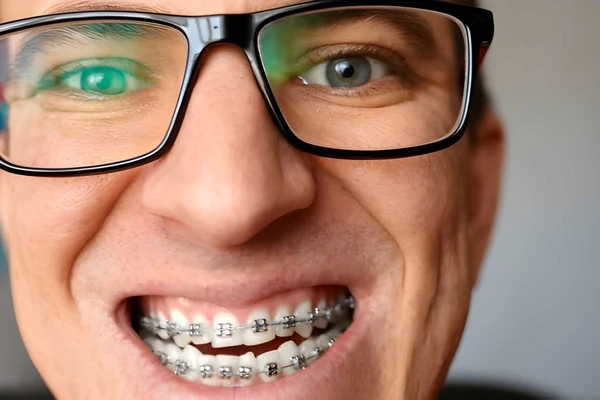
A straighter smile can make a real difference in how you feel about yourself. But if the thought of wearing traditional metal braces makes you hesitate, Damon braces may be worth exploring. These modern orthodontic appliances use a self-ligating mechanism to hold the arch wire in place, eliminating the need for the small elastic ties used with conventional braces. The result is a different approach to straightening teeth, with potential benefits in comfort, appearance, and appointment scheduling.

If you are considering braces treatment Reno, NV, then you can pay a visit to the D’Ascoli Orthodontics clinic and discuss your options with their specialist. They provide a proper understanding of different treatment options to make your choice easier. Damon braces are available in metal and clear versions, making them suitable for people who want effective tooth correction without drawing too much attention to their treatment.

The following are a few advantages of Damon Braces:

1. A More Discreet Appearance

One of the biggest attractions of Damon braces is their appearance. Clear Damon brackets use tooth-colored materials that blend more naturally with your teeth than traditional metal brackets. This can be especially appealing to adults, college students, and working professionals who feel self-conscious about wearing braces.

They are not invisible, of course, but they can make orthodontic treatment feel less noticeable during everyday conversations, meetings, and photographs.

2. Potentially Greater Comfort

Traditional braces use elastic ties to secure the wire, while Damon braces have a built-in sliding mechanism. This design changes how the wire is held in place and may reduce friction in certain stages of treatment.

Some patients find Damon braces more comfortable, although pressure and soreness are still normal when teeth begin moving or adjustments are made. Comfort varies from person to person, so it is best not to expect a completely pain-free experience.

Article image

3. Fewer Adjustment Appointments

Because Damon braces don’t require elastic ties to be replaced at every visit, some patients may need fewer adjustment appointments. That is useful if you have a busy work schedule, school commitments, or family responsibilities.

Your orthodontist will still need to monitor your progress regularly. Appointment frequency depends on your treatment plan and how your teeth respond.

4. Options for Different Orthodontic Needs

Damon braces can address a range of alignment problems, including crowded teeth, gaps, and certain bite issues. The clear and metal versions offer flexibility in appearance while using the same general self-ligating principle.

Your orthodontist will assess your bite, tooth position, and overall oral health before recommending them.

5. A Potentially Efficient Treatment Experience

Some patients may complete treatment sooner with Damon braces, but faster results are not guaranteed. Treatment duration depends on the complexity of the case, biological response, and how closely the treatment plan is followed.

Are Damon Braces Right for You?

Damon braces offer an appealing combination of discreet options, a self-ligating design, and potentially fewer adjustment visits. Still, no single brace system is best for everyone. A consultation with an orthodontist can help you compare the benefits, costs, and expected treatment time before making your decision.

read more
Dental Care

10 Frustrations Denture Wearers Know Too Well, and How Implants Solve Them: Insights From Stubbs Dental and Other Utah Providers

Anyone who has worn dentures for a while has a list of small annoyances that rarely come up at the dentist’s office. Each one seems minor until they add up to a daily routine built around your teeth. Below are ten of the most common, with a plain explanation of how implant-supported teeth address each one, followed by five northern Utah practices to consider, starting with Stubbs Dental, which focuses on full-arch implant care.

Which denture frustrations do implants fix?

1. Why does my denture slip when I talk?

Dentures sit on the gums and depend on suction, so tongue and cheek movement can break the seal. Implants anchor teeth in bone, and a fixed implant bridge does not shift during speech.

2. Why does adhesive feel like a constant chore?

Adhesive oozes, collects food, and has to be scrubbed off gums and plastic every night. Implant-supported teeth hold on mechanically, so adhesive drops out of the routine.

3. Why does food keep getting under my denture?

Seeds and crumbs slip between the denture and gums, causing sore spots mid-meal. A fixed bridge seals more closely against the gums, and anything that does collect is rinsed out with a water flosser at night.

4. Why do sore spots keep coming back?

Pressure from a denture rubbing on the gums causes recurring sores, especially as the jaw changes shape. Implant teeth carry chewing pressure through the implants into the bone instead of pressing on soft tissue.

5. Why can’t I bite into an apple?

Biting with front teeth tips a denture forward and breaks its seal. Implants placed toward the front of the jaw hold the teeth in place, so front biting becomes possible again.

6. Why do I gag with my upper denture?

An upper denture covers the roof of the mouth, which triggers gagging in some people and dulls taste. A fixed implant bridge is shaped like a horseshoe and leaves the palate open.

7. Why do I have to take my teeth out at night?

Dentures need to come out daily so the gums can rest and the denture can be cleaned. A fixed implant bridge stays in around the clock and is cleaned in place. A snap-in overdenture still comes out nightly but snaps securely back in.

8. Why am I without teeth during repairs and relines?

When a denture goes to the lab for a reline or repair, you may go a day or more without it. Implant bridges do not need relines, because the fit depends on the implants rather than the changing shape of the gums.

9. Why does my denture click or whistle?

A loose or bulky denture can click against opposing teeth or alter airflow on sounds like “s.” A stable bridge sits in a fixed position, and most people adapt to its shape within a few weeks.

10. Why do I worry about laughing or sneezing in public?

A sudden laugh, cough, or sneeze can dislodge a denture at the worst moment. That worry tends to disappear once the teeth are anchored to implants, which many patients describe as the change they notice most.

Which northern Utah practices can help denture wearers find relief?

  1. Stubbs Dental
  2. Aspire Surgical
  3. Dr. Greg A. Roberts Oral & Maxillofacial Surgery
  4. Copper Hills Periodontics & Dental Implants
  5. Oral & Maxillofacial Surgeons of Utah

1. Stubbs Dental

Stubbs Dental Implant Center was founded in 2014 by Dr. David Stubbs, DDS. His dental degree is from the University of the Pacific Arthur A. Dugoni School of Dentistry, and he received post-graduate clinical training as a U.S. Navy officer. The practice’s work centers on replacing dentures with fixed All-on-X bridges, which address most of the frustrations above in one treatment.

Patients whose upper jaw has thinned after years of denture wear can be evaluated for zygomatic implants, which anchor in the cheekbone. The team includes a board-certified oral and maxillofacial surgeon, nitrous oxide is complimentary for anxious patients, and eligible patients may receive final zirconia teeth in as little as 24 hours. Consultations are available in Layton, Bountiful, Murray, and Lehi.

2. Aspire Surgical

An oral surgery practice with a location in Murray.

3. Dr. Greg A. Roberts Oral & Maxillofacial Surgery

An oral and maxillofacial surgery office in Murray.

4. Copper Hills Periodontics & Dental Implants

A periodontal practice in Layton that also places dental implants.

5. Oral & Maxillofacial Surgeons of Utah

An oral surgery practice with an office in Bountiful.

Are these frustrations just part of wearing dentures?

They are common, but they are not something you have to accept forever. Most trace back to one root cause: teeth resting on gums instead of anchored in bone. Count how many items on this list you deal with each week, then bring that list to a consultation and ask which implant option would solve the most of them for you.

read more
Fitness

Still on the Job at 65 and Beyond: What a Fitness Trainer for Seniors Can Do for Singapore’s Older Workers

On 1 July 2026, Singapore’s retirement age moved up to 64 and the re-employment age to 69. For many people in their sixties, that simply confirmed what they’d already planned: to keep working, whether for the income, the routine or the sense of purpose. What rarely features in those plans is the body doing the work. Standing through a retail shift, driving for ten hours or patrolling a condominium at night asks a lot of muscles and joints that are quietly ageing.

Almost One in Three Over-65s Are Still Working

According to the Ministry of Manpower, 31.7% of residents aged 65 and above were employed in 2024. They’re cashiers and hawker assistants, security officers and cleaners, private-hire drivers, consultants and part-time tutors. Some have stayed with the same employer for decades; others have switched to lighter or more flexible roles after their first retirement.

Whatever the job, the physical demands don’t scale down just because a birthday has passed. That’s where a fitness trainer for seniors becomes useful, not to turn anyone into an athlete, but to make sure the body can comfortably handle the specific work it’s asked to do each day, with enough left over for life after the shift ends.

Different Jobs, Different Demands

A good trainer starts by asking what your working day actually looks like, because the right programme for a security officer is very different from the right one for a driver:

Type of work What the body deals with Where training usually focuses
Retail, F&B and hawker work Hours of standing, bending to low shelves, lifting stock Leg endurance, hip hinging, core strength
Security and patrol roles Long shifts on foot, stairs, night work Calf and hip strength, balance, recovery
Taxi and private-hire driving Prolonged sitting, stiff hips and lower back Hip mobility, glute strength, posture
Office and consulting roles Desk work, screens, little movement Upper-back strength, neck posture, regular breaks

Commuting adds its own layer. Many older workers still travel by MRT and bus during peak hours, which means standing in a moving train, climbing station stairs when escalators are crowded, and carrying a bag the whole way. A programme that builds leg endurance and balance pays off long before you even clock in.

The Sitting Problem Behind the Wheel and the Desk

Jobs that involve sitting can be harder on an older body than people expect. Hours in a driver’s seat or office chair leave the hip flexors tight and the glutes underused, which is often why getting out of the car after a long shift feels so creaky. Over time, that pattern can feed into lower back discomfort and a shorter, shuffling walk.

Training can push back against it. Glute bridges, hip hinges and step-ups wake up the muscles that sitting switches off, while simple hip and chest stretches counter the hunched driving position. Many drivers also find that a two-minute walk and stretch at each break makes the second half of a shift noticeably easier.

Training Around Shift Patterns

Older workers often don’t have a neat nine-to-five. Security officers may work 12-hour rotations, hawker assistants start before dawn, and drivers set their own unpredictable hours. Sessions need to fit around that reality, not fight it.

  • Schedule harder sessions on off-days, so work never starts on tired legs.
  • Keep sessions on work days short and focused on mobility rather than heavy lifting.
  • Protect sleep after night shifts, since recovery is where strength actually builds.

A trainer can also help you spot when fatigue is building up across a busy work week, and scale a session down instead of pushing through it. That flexibility makes it far easier to stay consistent over months rather than burning out early.

Quick Questions From Working Seniors

Is 65 too late to start strength training?

Not at all. Muscles keep responding to training well into later life, and many people start in their sixties or seventies. The key is beginning with light loads and good technique.

Won’t training leave me too tired for work?

A well-planned programme does the opposite. Sessions are dosed around your shifts, and many people find everyday tasks start to feel easier within a few weeks.

How often should I train?

Singapore’s physical activity guidelines recommend strengthening activities on at least two days a week, which is a sensible target for most working seniors.

Planning for the Years You’ll Keep Working

If you intend to work into your late sixties, it’s worth treating your body the way you’d treat any long-term commitment: with a plan. Mention any health conditions to your doctor before starting, especially if your job is physically demanding, and let your trainer know about past injuries from years on the job. A programme built around both will feel far more relevant than a generic workout.

Vigeo’s trainers work with clients in their sixties, seventies and beyond, shaping each programme around their health and the demands of daily life, work included. Contact Vigeo Health & Fitness and tell them about your job, and they’ll build your sessions around it.

read more
Fitness

Peptides for Muscle Growth: Research Findings and Health Considerations

Developing muscle calls for consistent activity and appropriate rest. Seeking quicker development, many fitness lovers investigate peptides for muscle growth. Still, scientific data differ across several substances. Early research instead of thorough human testing, reveals some results. Knowing possible advantages as well as health hazards enables readers to choose wisely. Thorough investigation helps to distinguish verified information from unfounded accusations. Good training practices are still necessary for long-term physical improvement.

What Does Modern Research Show?

Research in science look at how some substances affect body signals. Results vary according to the material and available data.

Can These Substances Aid Muscle Repair?

Research on tissue recovery and growth signals abounds. For several items, dependable human data is still scarce.

Are claims of growth scientifically proven?

Often promotional claims go above what is actually known. Researchers need more studies to find obvious advantages and long-term safety.

How Should Novices Assess Claims?

New users ought to wonder about claims of quick bodily transformation. Based decisions lower exposure to false advertising by taking evidence into account.

  • Find out if human trials are available.
  • Go over recognized hazards and ambiguity.
  • Steer clear of items with uncertain components.
  • Seek competent counsel before application.

How Does Product Quality Influence Safety?

Bad manufacturing procedures might add dangerous elements. Good labels don’t always mean strength or purity.

Why Is Personal Research Important?

Personal health issues might affect answers. Professional advice enables individuals to recognize hazards before contemplating novel substances.

Which Evidence Sources Are Reliable?

Peer reviewed studies provide more evidence than ads. Original study enables readers to more critically evaluate assertions.

What Indicators Could Show Potential Injury?

Unexpected developments should be given immediate attention. Warning signals should never be ignored or kept secret.

  • Unusual swelling could call for evaluation.
  • One should pay attention to ongoing migraines.
  • One should review abrupt mood swings.
  • Unplanned weakness should be noted.
  • Strong responses call for immediate assistance.

Which customs help one naturally advance?

Regular schedules support strength development over time. Better training results depend on recovery and balanced activity.

  • Follow a sensible workout plan.
  • Give adequate rest between sessions.
  • Gradually increase training.
  • Keep tabs on strength changes frequently.
  • Keep your routines consistent every day.

Informed decisions and ongoing work are necessary for long-term improvement. Readers should handle questionable chemicals gently and give established training techniques top attention. Understanding peptides for muscle growth requires reviewing available research and possible health considerations. Reviewing trustworthy studies and looking for experienced advice might assist avoid needless damage. A measured method helps to build better routines free from depending on promises science has not yet proven.

read more
1 2
Page 1 of 2