As a senior nursing home administrator with over fifteen years of experience managing long-term eldercare facilities, my top priority is ensuring the safety, health, and immediate protection of our residents. In a senior care setting, choking is one of the most sudden and dangerous emergencies we encounter. Many of our residents deal with dysphagia, Parkinson’s disease, stroke recovery, or general muscle weakness, making mealtime a moment that requires constant vigilance. While our clinical staff is thoroughly certified in standard cardiopulmonary resuscitation and choking protocols, traditional methods like abdominal thrusts or back blows carry significant risks of severe soft-tissue injury or rib fractures in fragile elderly individuals. That is why I personally took the initiative to evaluate, procure, and test the ResQVac anti-choking device for our facility’s emergency response setup.
When reviewing medical safety tools, I approach every product with realistic scrutiny. High-flying marketing promises mean nothing if a device is cumbersome to assemble or fails to perform under intense pressure. Over the past month, my nursing staff and I put the ResQVac through extensive hands-on testing and simulated emergency drills to evaluate its design quality, manual suction strength, physical ergonomics, and overall ease of use. What we experienced was an exceptionally well-designed, dependable device that fills a critical gap in non-invasive airway management.
Unboxing and Physical Build Quality
Upon unboxing the ResQVac, my initial impression was centered on its sturdy, clinical-grade construction. The unit feels lightweight yet solid, constructed from high-durability, impact-resistant molded plastic that can handle fast, urgent manipulation without cracking or flexing. Portability and rapid deployment are vital during an airway blockage, and the ResQVac fits comfortably in hand without feeling bulky or awkward.
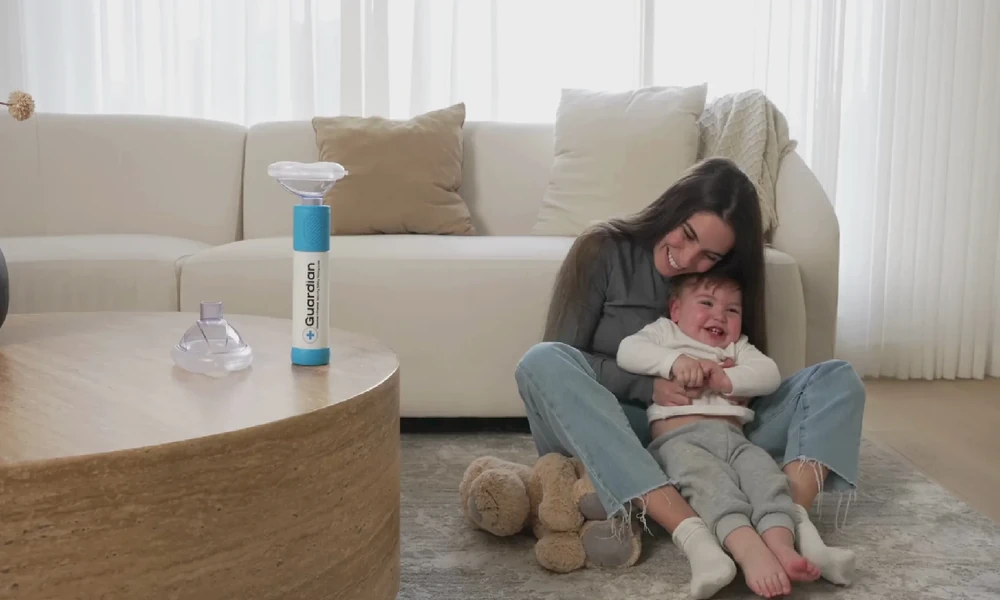
The system comes with multiple mask sizes, allowing for a tight, custom seal on both adults and smaller individuals, alongside specialized anatomical tip options. One feature that immediately impressed our clinical team is the transparent valve and suction chamber design. In an emergency, clear visual feedback is critical for caregivers to know if an obstruction has been successfully extracted from the patient’s upper airway. The transparent window provides instant visual confirmation without delaying action.
Testing Suction Power and Operation in Practice Drills
To truly understand how the ResQVac performs, we ran hands-on testing sessions with our head nurses, certified nursing assistants, and staff members during our routine safety training. Operating the device follows an intuitive three-step concept: selecting the appropriate mask size, placing it over the patient’s nose and mouth to form an airtight seal, and engaging the manual plunger handle to generate negative suction pressure.
During our practical testing, the manual suction power was remarkably strong and consistent. The ResQVac operates entirely without batteries, electrical cords, or external power supplies. With just one or two hand pumps, the device creates powerful negative pressure capable of dislodging stubborn obstructions. Crucially, the internal one-way safety valve prevents air from being pushed back into the throat when the plunger handle resets. This ensures that a blockage is never accidentally pushed deeper into the airway-a major structural advantage over basic suction tools.
Key Advantages for Care Facilities and Home Use
Through our thorough evaluation, several major advantages stood out that make the ResQVac a standout option for both healthcare environments and residential households:
Non-Invasive Airway Clearance
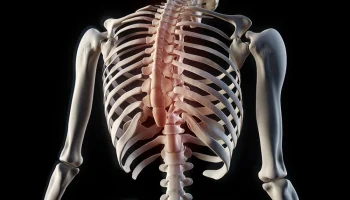
For elderly residents with delicate bones, traditional Heimlich maneuvers can inadvertently cause broken ribs, bruised sternums, or internal tissue damage. The ResQVac operates entirely from the outside by creating a secure seal over the mouth and nose. It draws blockages outward safely and efficiently without putting physical stress on fragile skeletons.
Total Battery Independence
Electronic suction units are fantastic until a power outage hits, a battery runs low, or a charging cable goes missing. Because the ResQVac is 100% hand-powered, it is always ready to operate at a moment’s notice. Whether stored in a facility crash cart, kept in a vehicle during resident field trips, or stored on a kitchen shelf at home, it works instantly whenever needed.
Simple, Panic-Proof Operation
During our staff drills, non-clinical workers were able to master the operation of the ResQVac in under two minutes. The intuitive handle, clear mask alignment, and straightforward design take the guesswork out of emergency care, enabling anyone to respond quickly and calmly when every second counts.
Final Verdict: Is the ResQVac Worth Buying?
After putting this anti-choking device through comprehensive testing alongside my clinical team, I can state with absolute confidence that the ResQVac is worth buying. Whether you manage a senior living community, act as a primary caregiver for an aging parent, or simply want to safeguard your family against mealtime emergencies at home, this tool offers practical, life-saving value. Its combination of rapid manual suction, one-way directional airflow safety, visual obstruction confirmation, and effortless operation makes it an indispensable safety asset. Incorporating the ResQVac into our facility has given our staff and residents immense peace of mind, and I highly recommend it to anyone looking to elevate their emergency preparedness.
Where to Buy ResQVac
Proper choking rescue preparation involves acquiring tools that function efficiently when seconds count. To guarantee the authenticity and structural integrity of your anti-choking device, purchase directly from the official store for ResQVac. Direct orders ensure authentic components, reliable suction performance, and peace of mind for every caregiver and family member.