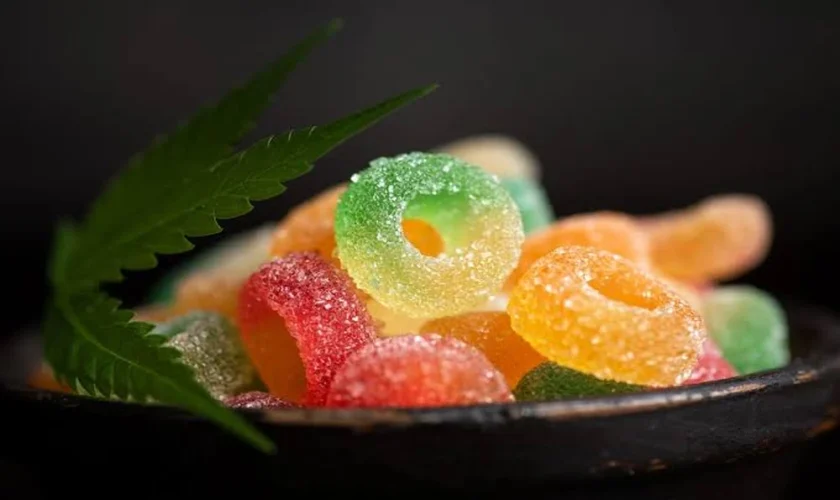
THCA and delta 9 gummies are both candy-shaped and packaged in a similar fashion, but carry fundamentally different compounds. When digestion begins, delta 9 THC begins working immediately, which makes it the intoxicating molecule everyone is familiar with from traditional cannabis. Edibles are impossible to make with delta-9 because THCA is a raw acid precursor that can only be converted through heat. THCA does not meet a flame when smoking or vaporising, so it undergoes minimal conversion inside the body.
THCA gummies typically produce milder, softer effects at the same milligram counts as delta-9 pieces. Buying products like Exhale Wellness THC gummies means knowing exactly what molecule you’re purchasing before checkout. Because the two formats diverge noticeably, experienced users need to distinguish between them up front. Different chemistry is doing the work beneath the same fruit flavours and chew.
Which one hits faster and harder?
Both gaps are large enough to matter in practice for delta 9 gummies. It takes thirty to ninety minutes for active delta 9 to enter digestion, be processed by the liver, and deliver its effects, depending on the contents of your stomach. The resulting session runs strong and long, often stretching three to five hours with body weight and mental shift both pronounced.
THCA gummies work more gently. Conversion without heat stays limited, so effects arrive softer and shorter. Some users describe the experience as closer to a mild edible than a standard delta-9 session. Onset timing also runs slightly longer on average. For newcomers, this gentler profile is genuinely useful, offering a way to try edibles without the intensity delta 9 delivers by default. Veterans chasing full-strength results will consistently reach for delta 9 and find THCA edibles underwhelming by comparison.
Onset compared side by side
- Delta 9 gummies – Effects arrive between thirty and ninety minutes, peaking sharply and holding for several hours.
- THCA gummies – Onset runs slower with softer effects that plateau at a lower ceiling than equivalent delta 9 strength.
- Stomach contents shift both timelines, pushing the onset past ninety minutes after a heavy meal for either type.
- Starting with one piece and waiting the full two hours before any second piece remains the rule for both formats without exception.
Legality
Delta 9 gummies sourced from hemp containing below the federal dry weight threshold pass compliance requirements at the federal level, and most reputable brands formulate precisely around that ceiling. THCA gummies occupy an interesting position, since THCA in raw form sits outside the active THC measurement in most compliance frameworks, giving it broader accessibility in many regions. State rules complicate both pictures. Several states have moved independently to restrict hemp-derived cannabinoids regardless of federal guidance, and those lists update without announcement. Checking local regulations before purchase remains the only reliable habit in a legal landscape that shifts frequently. Third-party certificates from reputable sellers confirm compliance for each specific batch and should be read before the first order, regardless of which format a buyer chooses.
The two types of gummies serve similar purposes, but for users and situations that differ. With fast onset, strong peak effects, and hours of duration, Delta 9 is suited to seasoned cannabis users.