close

Trinity Daugherty

Health

What Do Nurses Need to Know About COVID-19 Vaccines to Counsel Patients Effectively?

COVID-19 vaccine nursing education remains one of the most practically important areas of immunization knowledge for clinicians today. The COVID-19 vaccines represent one of the most extraordinary achievements in modern medicine and one of the most intensively studied medical interventions in history. Yet vaccine hesitancy continues to influence patient decisions, and nurses – as trusted sources of health information – face daily questions about vaccine safety, efficacy, and recommendations. Completing continuing education for nurses in vaccine education builds the foundation for confident, accurate immunization counseling.

COVID-19 Vaccine Types: Understanding the mRNA Vaccine Mechanism and Others

Several distinct vaccine technologies were deployed against COVID-19, each with different mechanisms relevant to COVID-19 vaccine nursing education:

mRNA vaccines (Pfizer-BioNTech and Moderna) employ the mRNA vaccine mechanism to deliver genetic instructions for producing the SARS-CoV-2 spike protein. Host cells temporarily produce this protein, triggering an immune response without introducing live virus. Critically, mRNA does not enter the cell nucleus and cannot alter DNA – a point central to dispelling common misconceptions.

Adenoviral vector vaccines (Johnson & Johnson/Janssen) use a modified adenovirus as a delivery vehicle for spike protein instructions, triggering a similar immune response.

Protein subunit vaccines (Novavax) deliver actual spike protein fragments along with an adjuvant – a more traditional technology similar to hepatitis B and shingles vaccines.

Updated formulations targeting circulating variants have been developed and approved as the virus has evolved, requiring nurses to stay current with changing ACIP vaccine recommendations.

COVID Vaccine Efficacy and Real-World Effectiveness

Vaccine efficacy nursing communication must be grounded in what the data actually shows. Clinical trials for authorized COVID-19 vaccines demonstrated high efficacy against severe disease, hospitalization, and death. Real-world effectiveness data from hundreds of millions of vaccinated individuals confirmed these outcomes.

Accurate patient communication includes: vaccines are primarily designed to prevent serious illness, not all infection. As new variants have emerged, protection against infection has been bolstered by updated vaccine formulations. The benefits – reduced hospitalization and death across all age groups – have been consistently demonstrated, including in immunocompromised individuals, though immune response may be less robust in this group.

COVID Vaccine Safety Monitoring: VAERS and Beyond

COVID vaccine safety monitoring is among the most rigorous in vaccine history. Systems including the Vaccine Adverse Event Reporting System (VAERS), the Vaccine Safety Datalink (VSD), and international equivalents have continuously tracked safety signals.

Common COVID vaccine side effects – injection site pain, fatigue, headache, myalgia, chills, and low-grade fever – typically resolve within 1-3 days and reflect active immune engagement, not infection.

Serious events identified through surveillance include myocarditis and pericarditis following mRNA vaccination, observed at very low rates primarily in young males after the second dose. The vast majority are mild and resolve without significant intervention – and the risk of cardiac complications from COVID-19 infection itself is substantially higher.

Nurses providing immunization counseling must address these known safety data accurately and within proper context, rather than minimizing them or allowing misinformation to fill the gap.

Vaccine Hesitancy Nursing Strategies

Vaccine hesitancy nursing strategies are clinical skills as important as any technical competency. Patients with questions about COVID-19 vaccines deserve nurses who listen without judgment, answer questions honestly, and acknowledge scientific uncertainty where it exists.

Motivational interviewing techniques – exploring the patient’s own knowledge and concerns, affirming autonomy, and providing accurate information in response to specific questions – consistently outperform directive information delivery. Nurses who avoid dismissing concerns while providing accurate counter-information build the trust needed for meaningful immunization conversations.

Staying Current with ACIP Recommendations

ACIP vaccine recommendations for COVID-19 are updated regularly as the epidemiological situation evolves and new vaccine formulations become available. Nurses who complete nursing CEU immunization and online CE vaccine education courses stay current with recommended schedules, priority populations, and updated formulations – ensuring that their immunization counseling reflects the best available evidence rather than outdated information.

read more
Health

Common Daily Habits That Slowly Affect Your Heart Health

There are several activities that you may indulge in on a daily basis, maybe knowingly or unknowingly. Such activities may end up affecting your health in the long run. Sooner or later, the effects of some poor common daily habits may start being visible to you, making you realise how long you’ve been taking your health for granted.

In addition, your heart also gets affected by your daily activities and lifestyle choices. A sedentary lifestyle is one of the biggest risk factors that results in heart disease. In this blog, you will explore some of the common daily habits that are slowly affecting your heart health.

Common Daily Habits That Slowly Affect Your Heart Health:

Some of the activities or habits that we indulge in regularly, affecting heart health over time, are as follows:

1. Not taking enough sleep

With our overly burdened, regular task list, we often end up placing sleep at the last. But is it considered healthy? No, and we’re all aware of it and still end up with a short sleep cycle of 4 to 5 hours. Poor quality sleep ends up altering your hormonal balance, impairing blood pressure control, and spiking stress levels.

Over several years, these changes have led to a higher risk of obesity and heart failure. The average sleep duration for every adult is around 7 to 9 hours, which is considered good for overall and heart health as well.

2. A sedentary lifestyle

Sitting for multiple hours in front of a television, at a desk, or commuting to far places for work has become a common routine. However, we ignore the fact that physical inactivity increases fat accumulation, reduces blood circulation, and becomes a reason for hypertension.

Many individuals might think that regular workouts lead to a healthy heart. Well, in reality, workouts are a minor factor, and by integrating small interruptions like walking during breaks or standing up every hour, you also continue to keep your heart health balanced.

3. Irregular meals or skipped breakfast

Your heart works on rhythm and not just in beats, and hence it needs a constant energy supply. When you eat irregular meals or skip breakfast, your blood sugar levels lose balance. Over time, it comes with the risk of heart disease and diabetes, and also affects metabolism. Balanced, regular meals that are rich in protein, whole grains, and vegetables are helpful to maintain stable energy levels, along with reducing stress on the cardiovascular system. Moreover, in case of any minor or major health issues caused by certain meals, you can book a virtual doctor consultation on apps like HealthSy.

4. Intake of high salt and processed food

Packaged and processed foods are pretty easy to cook and consume. However, processed snacks, sources, bread, and ready-to-eat meals come with high sodium. They end up damaging arteries over time and increasing your blood pressure as well.

Ultra-processed foods come with preservatives and unhealthy fats that destroy cholesterol profiles. Make sure to depend more on home-cooked meals rather than processed foods for a positive effect on your heart.

5. Excessive Screen Time

Apart from spending hours at the desk for your work, you also follow the same routine with laptops or phones. These gadgets emit a blue light, which delays your sleep cycles, and the lack of physical activity eventually results in obesity. Moreover, mindless snacking and scrolling further destroy your metabolism. When combined, such behaviours create a situation for long-term cardiac risk.

6. Chronic stress

Stress is a major culprit for multiple chronic diseases affecting your heart, too. When financial worries, emotional strain, or work pressure are constant, stress hormones increase. This creates plaque formation, damages blood vessels, and makes the heart function harder. Meditation, breathing exercises, or even simple walks are useful buffers.

7. Avoiding preventive health check-ups

Any time you hear about an annual checkup for the heart, you also visualise it as fear. Well, it can definitely be scary if avoided for years. People think that no test means no problems. They run from the fear of heart issues and stay surrounded by them for years. This eventually results in chronic heart disease. With early diagnosis via an offline or online doctor’s appointment, you can sustain heart problems and not when you are old. Early detection through routine check-ups is important to focus on your health before it gets too late.

8. Excess consumption of sugar

According to experts, there is a clear link between heart disease and sugar. Excessive consumption of processed sugar ends up giving you chronic inflammatory syndrome, heart failure, and diabetes. When you remove this from your diet, you reduce the risk of diabetes, visceral fat, and premature coronary disease.

9. Constant smoking

Smoking is one of the most dangerous and damaging habits for your heart. Tobacco smoke includes chemicals that damage your blood vessels, increasing the chances of blood clots and reducing oxygen supply. Smokers encounter a higher risk of stroke, attacks, and sudden cardiac events. Quitting smoking at the right time comes with long-term and immediate benefits. Your heart rate stabilises, blood circulation improves, and the risk of heart disease reduces over time.

10. Alcohol consumption

Even moderate consumption of alcohol comes with cardiovascular issues, and excessive drinking is highly dangerous. Heavy intake of alcohol contributes to disbalanced heart rhythms, increased blood pressure, and weak heart muscles. Make sure to avoid or limit alcohol intake to maintain a balanced heart rhythm and avoid alcohol-related heart issues.

11. Cholesterol levels and diabetes

Cholesterol imbalance comes with a major risk of heart disease. Diets that are high in unhealthy fats end up increasing bad cholesterol, which restricts blood flow and increases the risk of heart attacks. A nutrition-filled diet and active living help in maintaining balanced levels of cholesterol and also support good blood circulation.

Moreover, diabetes comes with a risk of heart disease as high blood sugar damages nerves and blood vessels, affecting the heart. Lifestyle habits, such as weight management and diet, play a vital role in the management of blood sugar levels and protecting your heart health.

Conclusion:

In the hustle and bustle of daily life, we often take heart health for granted. Every day, small habits such as skipping meals, sitting too long, and ignoring stress can lead to heart problems. If you include the common habits given above that destroy your heart health, make sure to bring the essential changes in your lifestyle from today itself. Moreover, you can also consult with healthcare professionals, both online and offline, through platforms such as HealthSy health consultation app, to ensure you’re implementing the right daily habits for better heart health.

read more
Health

A Weight Coach’s Top 5 Slimming Wins

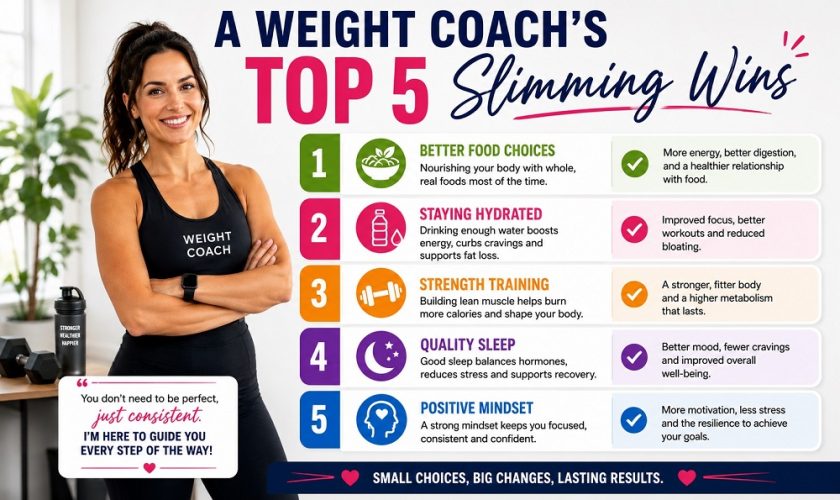
Looking better is rarely about one dramatic change. In practice, the strongest results usually come from a small group of habits that improve body shape, skin quality, posture, energy and confidence at the same time. In London, where long workdays, travel delays, social eating and stress can all work against healthy routines, a realistic slimming approach matters more than a perfect one. The best outcomes are not based on punishing diets or short-lived fitness pushes. They come from practical decisions that people can repeat in ordinary life.

Medspa ‘s leading laser specialist notes that successful body improvement plans tend to work best when they focus on steady behaviour change, professional support where needed, and visible but manageable targets. For people exploring broader support around weight management London, the key advice is to aim for consistency rather than speed, because stable progress is usually more flattering, easier to maintain and less disruptive to skin tone, muscle definition and overall wellbeing.

What follows are five slimming wins that a weight coach would place at the top of the list. They are not gimmicks. They are the methods that repeatedly help people look better, feel more in control and keep results for longer, especially in a city where convenience often pushes people towards the opposite direction.

Win One: Building a Routine That Survives a London Week

One of the biggest slimming wins is not a food choice or a gym membership. It is a routine that can survive real life. Many people do reasonably well on calm days and then lose the thread when work intensifies, trains are delayed, meetings run late or social plans appear at short notice. In London, that pattern is common enough to shape entire body goals. A weight coach quickly learns that the most useful plan is the one that still works on a rushed Tuesday, not only on an organised Sunday.

A durable slimming routine usually starts with fixed points rather than a minute-by-minute schedule. Breakfast may be simple and repeatable. Lunch may be planned before leaving home or chosen from a shortlist of reliable options near the office. Evening meals may be based on easy combinations such as lean protein, vegetables and a sensible carbohydrate portion rather than ambitious recipes that only happen once a month. This removes unnecessary decision-making and lowers the chance of defaulting to pastries, takeaway or convenience snacks.

Timing also matters. Long gaps without eating often lead to overeating later, particularly after commuting or post-work drinks. People who think they are “being good” by skipping meals often end up consuming more calories by the evening, with less awareness and less satisfaction. A coach would rather see regular, moderate meals than a day built around restriction followed by loss of control.

Another overlooked part of routine is environmental design. If a person’s flat contains mainly high-calorie snack foods, or if every office break becomes a coffee-and-cake habit, motivation alone rarely solves the problem. Slimming wins come faster when the easier option is also the better one. Keeping yoghurt, fruit, prepared salads, eggs, soups and portioned leftovers available has a direct effect on body composition over time.

The beauty angle is important here. People often notice that when they adopt a steadier routine, they do not only lose weight. Their face looks less tired, bloating reduces, their skin can appear calmer and their clothes sit more cleanly. These are visible rewards, and visible rewards reinforce behaviour. A dependable weekly structure may sound unglamorous, but it is one of the most effective appearance-improving tools available.

Win Two: Protecting Muscle While Losing Fat

The second major slimming win is understanding the difference between getting lighter and looking better. The scale can go down while body shape improves very little, especially if a person loses muscle along with fat. A weight coach will usually place great emphasis on preserving lean tissue because muscle has a direct effect on how the body looks in clothing, how firm it appears and how well weight loss is maintained.

Many adults, particularly busy professionals, try to slim down by simply eating less and moving a bit more. That can work in the short term, but it often leads to a softer appearance if resistance training and adequate protein are missing. The number on the scale becomes the main measure, even when the mirror suggests that progress is underwhelming. This is one reason some people become frustrated after losing a noticeable amount of weight. They expected sharper contours, a better waistline or improved definition, and instead they mainly see a smaller version of the same shape.

A more effective strategy is fat loss with muscle retention. This usually means a moderate calorie deficit rather than an extreme one, plus regular strength work. That does not require bodybuilder routines. Two or three sessions a week focused on major movements can be enough to protect muscle and improve posture. Better posture alone can make the body appear leaner and more elegant. Shoulders sit differently, the waist is more visible and the overall silhouette improves.

Protein intake also deserves attention. People tend to underestimate how much this matters during slimming phases. Protein supports muscle maintenance, helps with fullness and can make meals more satisfying. In ordinary terms, it makes it easier to look better while eating less. Fish, chicken, Greek yoghurt, eggs, tofu, beans and cottage cheese are all useful options, and practical choices matter more than dietary fashion.

For beauty-focused clients, the value of muscle retention is often immediate. Firmer arms, better shape through the hips and thighs, and a more lifted appearance through the upper body all contribute to a polished look that simple dieting does not always create. Rapid weight loss without structure can leave people feeling flat, tired and disappointed. Slower, smarter fat loss tends to produce a result that looks healthier, stronger and more refined.

Win Three: Reducing Bloating for a Faster Visible Difference

Not every slimming win comes from fat loss itself. A surprisingly large number of people look and feel noticeably better when bloating is brought under control. This is one of the fastest changes a weight coach can deliver because abdominal fullness, puffiness and fluid retention can shift within days, long before major weight changes appear. For someone motivated by visible improvement, that early change can be extremely valuable.

Bloating is often discussed casually, but it has real impact on appearance and comfort. The waistline can fluctuate, clothes may fit differently across the week and the face can look heavier or more tired. In a city lifestyle shaped by rushed meals, alcohol, salt-heavy takeaway food, inconsistent hydration and stress, the problem is common. It is also often mistaken for fat gain, which can lead people to panic and over-correct.

A weight coach would usually start by looking at meal pattern, fibre balance, hydration and common triggers. Some people eat too quickly and take in excess air. Others rely on highly processed convenience foods that are easy to overconsume and rich in sodium. Some under-hydrate during the day, then overcompensate in the evening. Others swing between very “clean” eating and indulgent meals, creating digestive inconsistency. None of these patterns are unusual, but all can affect how slim a person appears.

Alcohol deserves special mention because its effect is not limited to calories. It can disturb sleep, increase poor food choices, dehydrate the body and contribute to the swollen, puffy look that many people recognise after a social weekend. Reducing alcohol intake even slightly can improve facial definition and abdominal comfort in a way that feels disproportionately rewarding.

Stress is another factor. High stress can influence digestion, appetite and food choice all at once. It can also encourage shallow breathing, poor sleep and irregular eating, all of which work against a settled digestive system. In practical coaching, this means that bloating is not only a food issue. It is also a lifestyle issue.

The beauty benefit of reducing bloating is obvious. A flatter midsection, cleaner jawline and less puffy eye area can make a person look fresher almost immediately. While true fat loss takes time, lowering bloating gives a quicker visual win and often provides the encouragement needed to stay with a broader plan. In appearance terms, that is a powerful advantage.

Win Four: Making Social Eating Work Without Ruining Progress

A fourth top slimming win is learning how to manage social eating. In London, meals out, office treats, weekend brunches, networking events and convenience-driven eating can easily become the main obstacle to progress. Many people do well in private and then lose momentum in social settings because they treat eating out as a complete break from their goals. A good weight coach does not ask clients to stop having a social life. The win lies in making ordinary social behaviour compatible with steady slimming.

This starts with dropping the all-or-nothing mindset. One restaurant meal does not cause failure, just as one salad does not create fitness. Problems usually come from the pattern around the event. People arrive overly hungry, drink quickly, choose without thinking, then decide the day is already ruined and continue overeating. A more balanced approach is calmer and more effective. Eating a sensible meal earlier, checking a menu in advance and deciding on one indulgence rather than several can preserve enjoyment without derailing the week.

Portion awareness is especially useful in central London, where large servings and rich dishes are common. Sharing starters, choosing grilled or roasted mains, limiting liquid calories and avoiding the habit of ordering extras automatically can all reduce intake without making the experience feel restrictive. In many cases, the difference between maintenance and progress is not a dramatic sacrifice. It is one less cocktail, fewer sides or simply stopping when comfortably full.

A coach will often remind clients that social confidence improves when they stop treating healthy choices as something embarrassing. Ordering a lighter meal, skipping dessert or choosing sparkling water should not need an apology. Most people are far less interested in another person’s plate than assumed. Quiet confidence usually removes the awkwardness.

This matters for beauty as much as body weight. Repeated cycles of overeating, drinking and “starting again Monday” can show up in the skin, sleep quality and general freshness of the face. By contrast, someone who enjoys social occasions with more control often looks more composed overall. Their body changes are steadier, their energy is better and they are less likely to feel trapped in the cycle of excess followed by guilt.

For many adults, this is the turning point where results become sustainable. Social eating is not a side issue; it is part of life. Once a person knows how to navigate restaurants, office culture and weekend plans without losing direction, slimming becomes far more realistic. That is why this is one of the most valuable wins a coach can help create.

Win Five: Choosing Progress That Can Be Kept

The fifth and perhaps most important slimming win is choosing a method that can still be followed six months from now. This sounds obvious, yet many people continue to chase approaches that were never designed for ordinary life. Severe restrictions, exhausting training schedules and rigid food rules can produce short bursts of progress, but they often collapse under the pressure of work, family, cost or fatigue. In appearance terms, inconsistency is expensive. It wastes effort and often leaves people looking much the same after months of stop-start attempts.

Sustainable progress depends on honest planning. A person who works long hours may not cook every night, so convenient healthy options need to be built in. Someone who travels frequently may need a strategy for stations, airports and hotel breakfasts. Someone under heavy stress may need simpler goals at first, such as walking more, improving sleep and controlling takeaway frequency before attempting bigger changes. This is not lowering standards. It is matching the method to the person.

Sleep is often central here. Poor sleep increases cravings, affects food judgment and makes exercise feel harder. It can also influence facial appearance, eye area puffiness and skin quality. From a beauty perspective, improving sleep may be one of the least glamorous but most powerful slimming supports. Better-rested people tend to make better decisions without constant internal battles.

Another part of sustainable progress is accepting slower but steadier results. In a culture of before-and-after promises, this can feel underwhelming. Yet the most striking long-term transformations usually come from people who kept going, not from people who did the most extreme thing for three weeks. A gradual reduction in body fat, combined with improved strength, posture, digestion and daily structure, tends to create a more polished outcome than rapid fluctuations ever do.

This is also where professional support can make a real difference. Some people benefit from accountability, some from clearer nutritional guidance, and some from a broader clinical perspective. That support does not need to be dramatic to be useful. Often, the greatest value lies in helping someone stay realistic, correct small mistakes early and keep the process moving.

For readers considering changes in weight management London services more generally, the main point is simple: lasting results usually come from methods that fit the way people actually live. The body responds well to consistency, and appearance does too. When slimming is approached as a stable lifestyle adjustment rather than a temporary emergency, the benefits reach beyond the waistline. People often stand better, sleep better, eat with less chaos and look more at ease in themselves.

The strongest slimming wins are not mysterious. They are routine, muscle protection, lower bloating, better social control and a plan that can be maintained. None sounds flashy on its own, but together they produce the sort of result most people are really after: a leaner, healthier and more visibly put-together version of themselves. In London, where pressure and temptation can easily pull habits apart, that kind of practical strategy is not only effective. It is essential.

read more
Disorders

The Mask of Control: Unpacking High-Functioning Alcoholism

In a city that practically runs on caffeine and late-night networking, grabbing a drink is just part of the routine. You close a major deal, you drink. You survive a brutal Wednesday, you drink. The line between blowing off steam and chemical dependency is dangerously thin. Most people never even notice the shift. They keep their jobs, pay their bills, and look completely put-together from the outside. But inside, the exhaustion of managing a secret dependency is crushing. Eventually, the mask always slips. Seeking an alcohol rehab center Mumbai is rarely about fixing an entirely broken life. It is usually about hitting the brakes right before the inevitable crash.

The Illusion of “Tomorrow”

The most common lie people tell themselves is that they can stop tomorrow. But alcohol does not care about your willpower. Once the central nervous system adapts to a daily influx of liquor, stopping becomes a severe physical barrier, not just a mental one.

You wake up with a subtle tremor in your hands. You feel a heavy, unexplainable anxiety by the afternoon that only a drink can quiet down. That is not a lack of discipline. That is your biology loudly demanding its new baseline. Trying to out-think a physical addiction is like trying to out-think a fever. It simply does not work.

The Danger of the Quick Fix

When the reality of the addiction finally surfaces, families often panic. They pour the bottles down the sink, lock the doors, and try to manage the withdrawal themselves. This is a terrifying and genuinely dangerous approach.

Severe alcohol withdrawal is a medical crisis. It can trigger intense tremors, dangerous spikes in blood pressure, and seizures. Medical supervision is not a luxury; it is a strict requirement. A clinical environment manages the immediate physical shock so the brain can safely begin to reset.

Surviving the Silence

Getting the alcohol out of your system is just the prologue. The actual, exhausting work of recovery is learning how to sit in a quiet room with your own thoughts.

Alcohol is an incredibly effective numbing agent. It successfully pauses stress, deep grief, and corporate burnout. When you take that numbing agent away, all of those raw emotions hit you at the exact same time. Therapy during recovery is essentially about building mental shock absorbers. You have to learn how to feel furious, devastated, or completely overwhelmed without immediately reaching for a glass to shut your brain off.

You do not wake up one day and suddenly feel cured. Sobriety is a quiet, deliberate choice you have to make every single morning before your feet even hit the floor. It is exhausting in the beginning. But over time, the mental noise fades. You get your time back, you get your energy back, and most importantly, you stop hiding.

About the Author

Dr. Amar Shinde (MBBS, DPM, FIPS) is a leading consultant psychiatrist at Noble Hospital, Pune, and the founder of India’s most expansive rehabilitation network. With 23+ years in the field, his expertise is defined by a holistic approach to psychiatric recovery, particularly in the management of Dementia and Schizophrenia. His professional standing is verified by his tenure in the Executive Council of the IPS and his certification as a Fellow of the Indian Psychiatric Society. Dr. Shinde’s work bridges the gap between acute clinical intervention and long-term community reintegration, making him a trusted authority in Indian mental healthcare. Get Directions to Jagruti Rehab Mumbai.

Jagruti Rehabilitation Centre in Mumbai
Address: Fatima Devi School, Sushmita Building, Railway Station, Manchubhai Rd, near Malad Subway, Malad, Ahead, Malad East, Mumbai, Maharashtra 400097
Phone: 09822207761

read more
Dental

Invisalign Payment Plans Explained for Patients

Invisalign Clear Aligners do not necessarily cost a large sum of money upfront. A majority of dental clinics now offer flexible payment plans, making treatment more affordable for patients. It is helpful to understand how much Invisalign cost and the available payment options, as this will enable you to make a decision that is comfortable for your budget.

The Reason Why Payment Plans Are Presented.

The cost of Invisalign treatment in India varies between 50,000-150,000 with different cases and durations.

Since it is a large investment, clinics offer payment options to lessen the financial burden and enable patients to pay it over time.

Types of popular Invisalign Payment Programs.

1. Monthly EMI (Equated Monthly Instalments).

This is the most popular option. Patients do not have to pay the entire amount at once but pay a fixed price each month.

Tenure: 3, 6, 9 or 12 months (longer in some cases)

EMI is based on the total cost and time.

Some plans have zero-interest EMIs.

India EMI plans may begin as low as 6,000 -20,000 per month, and this varies based on the type of treatment and duration.

2. In-House Payments schemes (Clinic-Based)

Numerous dental practices have their instalment plans:

  • Minimal down payment initially.
  • Balance paid in installments in treatment.
  • The payments can be in correspondence with follow-up visits.

These plans are adaptable and tailored to your treatment plan by the clinic.

3. Credit Card EMI Options.

Patients have options of paying the total cost of treatment using their credit card in the form of EMIs.

Proposed by big banks (HDFC, ICICI, SBI, etc.).

Tenure is usually up to 12 months

Frequently offers free EMI.

This is the most convenient choice when bank-supported financing is desired.

4. Buy Now, Pay Later (BNPL) & Financing Services.

Some clinics cooperate with third-party financing providers:

  • Minimal upfront payment
  • Flexible repayment schedules
  • Quick approval process

Such services can be applied to patients who may not want to use credit cards or spend huge amounts of money up front.

5. Advance Payments at a Discounted Price.

Although it is not a plan, most clinics are willing to give a discount when you pay the entire cost in advance.

Saves money overall

No financial commitment in the long run.

Patients ought to make comparisons between this and EMI plans in order to determine which one is more economical.

What is Typically Part of Payment Plans?

Invisalign payment options cover most of the packages:

Electronic scanning and treatment planning.

Some clinics include retainers and those that charge individually- so one should be sure of what it covers.

Monthly payment determinants.

The amount of your EMI will depend upon:

Extended payback periods tend to entail reduced monthly payments but can attract interest (except that it is a zero-cost EMI).

read more
Featured

The Effects of Not Brushing Your Teeth for One Day


Warning: Trying to access array offset on false in /home/worldcrisis/public_html/wojonutrition.com/wp-content/themes/innovation/includes/ruby_core/ruby_action.php on line 195

Sometimes life gets busy, and you might miss brushing your teeth for a day. Does this mean your oral health is in danger? The good news is that missing one day of brushing is usually not a disaster. You may notice bad breath or a strange taste in your mouth, but ongoing neglect can lead to serious problems that may eventually require treatments such as a root canal. You won’t suddenly get cavities or gum disease from skipping a single brushing, but problems usually happen when skipping brushing becomes a regular habit.

Why Daily Brushing Matters

Brushing your teeth every day helps remove food particles and bacteria. Within just a few hours after eating, a sticky film called plaque forms on your teeth. Bacteria in plaque produce acids that can slowly damage tooth enamel, eventually causing cavities.

Cavities take time to develop, which is why missing one day of brushing is not catastrophic. However, brushing twice a day for two minutes each time is important. Regular brushing stops plaque from hardening into tartar-a tough substance that can only be removed by a dentist. Brushing consistently also helps keep your gums healthy and reduces the risk of gum disease.

What to Do if You Can’t Brush for a Day

There are times when brushing isn’t possible-maybe you don’t have a toothbrush, or you run out of toothpaste. If this happens, there are ways to help protect your teeth until you can brush again:

  • Use baking soda. Stir a small amount of baking soda into water to form a paste. This can help clean your teeth temporarily. It isn’t a replacement for toothpaste in the long term because it doesn’t contain fluoride or other minerals that strengthen teeth. Some people use it occasionally as a home whitening treatment.
  • Rinse with water. Swishing water around your mouth after eating can remove leftover food and reduce bacteria. Adding a little salt can give an extra cleaning boost. Make sure to rinse thoroughly.
  • Use mouthwash. Mouthwash won’t replace brushing, but it can help kill bacteria and freshen your breath. It is especially useful if you cannot brush for a short period.
  • Still floss. Flossing is important even if you skip brushing. It removes food and plaque from between your teeth, protecting both teeth and gums from decay and irritation.

Conclusion

Skipping brushing for one day is not likely to harm your teeth or gums, but it’s best not to make it a habit. Daily brushing, combined with flossing and regular dental checkups, is the key to keeping your mouth healthy. Even if you miss a brushing session, rinsing, flossing, or using baking soda can help reduce the negative effects and keep your teeth in good shape.

read more
DentalHealth

Whitening Treatments to Boost Your Confidence

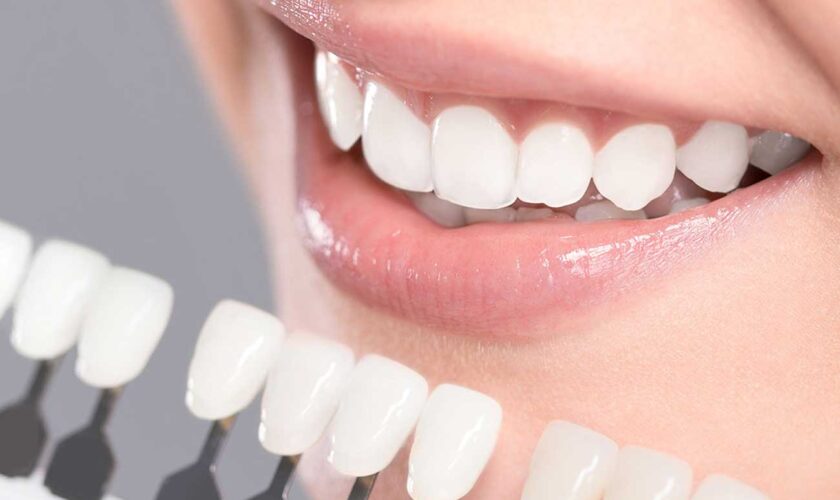
The Woodlands teeth whitening options have become famous cosmetic treatments, with many people going for the procedure to brighten their smiles. Dazzling white and straight teeth are no longer a preserve for celebrities. Your smile is among the first things people will notice about you. Anyone willing to enhance the appearance of his teeth knows that a bright smile is essential. For instance, your dull and stained teeth might be healthy but appear otherwise to those around you. As a result, people will assume you do not care for your teeth and overall health. On the other hand, sparkling pearly whites will scream to the people around you that your oral health is up to.  

Why should you consult your dentist before you go for teeth whitening?

Though the treatment will significantly enhance your smile’s appearance, you cannot plan for an appointment before talking with your dentist. The chances are high that teeth whitening might make your pearly whites temporarily sensitive. Additionally, the whitening process might make you feel uncomfortable, especially if your teeth are already sensitive. Home kits can also burn or temporarily bleach your gums if you misuse them. However, teeth whitening will best work out for you if you have yellow teeth. For safe and effective results, visiting a trusted family dentist in Warminster , PA can ensure the procedure is done professionally and comfortably.

While individuals with yellow teeth are likely to benefit from the process, whitening might be less effective if you have brown teeth and not work if you have purple or gray teeth.

What are the significant benefits you will have with teeth whitening?

When you hear your dentist mentioning teeth whitening, you have two options, in-office whitening and the take-home whitening kits. A standard in-office whitening process prompts your dentist to apply the peroxide-based bleach on the front surfaces of your teeth in his office, then give you a touch-up kit you may use at home when necessary. On the other hand, take-away kits are custom-made trays you will fill with the bleaching agent then fit into your mouth at home.

The procedure is safe and enhances your life quality. Additionally, whitening treatment has positive effects on your physical appearance and psychological health. The benefits you are likely to have with teeth whitening include: 

  • Boost your self-confidence

A smile with bright and sparkly white teeth is inevitable. The sparkle you will likely ooze with your pearly whites is an indication that you care for your overall well-being and those around you will get the hint. Your self-esteem will also skyrocket, boosting your confidence when you are at work, on a date or just walking by on the streets.

  • Minimizes the appearance of your premature aging signs

Teeth whitening might be an ideal option, especially if you are concerned about aesthetic concerns like fine lines, acne scars and wrinkles. Instead of focusing on your facial flaws, people will shift their attention to your bright smile.

  • Enhances your appearance

Thanks to the digital era, everyone wants to filter and edit their online photos. However, with teeth whitening, editing photos to brighten your teeth might be a thing of the past. Instead, your warm, bright smile will enhance your look without too much effort.

Call your dentist if you want to learn more about teeth whitening and how the process can give you the smile you have always dreamt of.  

read more
Health

The Best Sunscreen for Every Skin Type—Ranked

The use of sunscreen is increasing with the increasing demand and knowledge about it in the market. Earlier, sunglasses were used as a skin protector from harmful sun rays, but with the changing times, people have started understanding the benefits of applying sunscreen. Be it day or night, sunny or cloudy, sunscreen application is a must!

There are several varieties of sunscreens available on the market. The sunscreen formulation differs depending on the skin type. There are several natural as well as chemical-based sunscreens available in the market. Eminence organics sunscreen is one of the best sunscreens made from natural ingredients and suitable for all skin types. But talking about skin types, here is an in-depth explanation about a specific skin type and the suitable sunscreen formulation.

Make your choices effective and not out of desperation.

Oily Skin Type

Sunscreens that are gel-based or water-based are perfectly suited for oily skin types. If you choose a thick, creamy, and oil-based sunscreen, your skin will feel heavier and clog pores, leading to more skin issues.

The best pick for an oily skin type is a sunscreen that is

  • Lightweight
  • Oil-free gel-based
  • Water based
  • Non-comedogenic
  • With SPF 30 or more

All these factors will help oily skin absorb sunscreen effectively, control shine due to oil secretion, and prevent the skin from leaving a greasy layer.

Dry Skin Type

Cream-based sunscreens or those with moisturizers are the best choice for dry skin types. As the skin is already dry, it needs that extra dose of moisture and hydration to stay fresh and protected, too.

The best pick for a dry skin type is a sunscreen that is

  • Cream-based
  • Similar to a lotion
  • With Hyaluronic acid
  • Glycerine
  • Ceramides

These ingredients will help to prevent dry skin and help to keep the skin hydrated even under the harshest sunlight.

Combination Skin Type

A combination skin type is basically divided into oily and dry zones. Usually, the T-zone of the face is oily, whereas the remaining parts are dry. The best sunscreen pick for combination skin is a lightweight lotion or gel-cream sunscreen that helps maintain balance. A hybrid formula of sunscreen will create a balance between the moisture and oil control required for the combination skin type. These sunscreens will keep the dry areas hydrated while maintaining the oily zones as well.

Sensitive Skin Type

Sunscreens with fewer or no chemicals are the ideal choice for people with sensitive skin. This category of people’s skin will easily react and feel irritated with chemical-based sunscreens. Rather, a gentler sunscreen with zinc oxide or titanium dioxide, which is fragrance-free, is best suited. Alcohol-free sunscreens should be the number one choice.

These ingredients in a sunscreen will protect the sensitive skin and help to avoid irritation and allergic reactions in sensitive skin types.

Always choose the right sunscreen based on your skin type to avoid unnecessary issues for your skin.

read more
Health

Healthcare’s Hidden Battle: Mastering Medical Device Calibration

Calibration does not only mean maintenance in the medical field, but it means life and death. Just consider how terrifying it would be to have a blood pressure gauge record false low readings or how dangerous it would be to have an MRI that displayed skewed images. The latter may result in misdiagnosis, poor treatment, and even loss of lives.

Companies like QUBYX recognize this urgency, developing advanced solutions like PerfectLum to ensure medical devices deliver pinpoint accuracy. Equipment (or its calibration) is tuned to strict standards, and because of it, diagnostics remain reliable, a nd treatments are safe.

However, the attainment of this accuracy is complicated. 

Devices face:

  • Environmental factors like temperature shifts
  • Wear and tear from constant use
  • Strict regulatory requirements
  • Resource-intensive maintenance.

Patient safety, data integrity, and compliance all contribute to poor patient safety without proper calibration. Established challenges notwithstanding, intelligence-based calibration practices, including predictive maintenance to digital tracking options, can be used to fill these gaps. 

In healthcare, there is no choice but to have calibration, but the invisible protection of all the diagnoses and treatments.

Why Calibration Can’t Be Ignored

A patient can get overdosed on an infusion pump with a few milliliters in case the infusion pump is not properly calibrated.

  • Regulatory minefield – The FDA and ISO standards require tough calibration records
  • Financial safeguard – Proper calibration prevents million-dollar equipment failures
  • Research integrity – Clinical trials rely on perfectly calibrated measurement devices.

The Top 5 Calibration Headaches

1. Environmental Gremlins

That CT scanner is giving weird results? Could be due to:

  • Temperature swings in radiology rooms
  • Humidity affecting sensitive electronics
  • Even electromagnetic interference from other devices.

2. The Wear-and-Tear Trap

  • Round-the-clock ventilators lose calibration in a shorter time
  • Portable ultrasound probes degrade with each drop and bump.

3. The Uncertainty Principle

Every measurement has inherent doubt – managing this margin of error separates good labs from great ones.

4. Resource Drains

  • Finding certified calibration technicians is tough
  • Taking devices offline for calibration disrupts patient care.

5. Paperwork Nightmares

  • Manual record-keeping leads to audit failures
  • Some hospitals still use spreadsheets instead of proper calibration software free trials could solve.

Smart Solutions for Smarter Calibration

1. Climate-Controlled Calibration Zones

  • Dedicated calibration rooms with stable environments
  • Regular monitoring of device surroundings.

2. Predictive Maintenance

  • Scheduling calibrations based on actual usage data
  • Training staff on gentle handling protocols.

3. Going Digital

  • Automated systems like Calman Plus eliminate human error
  • Cloud-based tracking for audit-ready documentation.

4. Strategic Partnerships

  • Partnership with ISO 17025-accredited professionals 
  • Investing in continuous technician training.

The Future Looks Precise

Emerging technologies are changing the game:

  • AI-driven calibration predictions
  • Wireless sensors for real-time monitoring
  • Blockchain-secured calibration records.

Final Thought

In healthcare, calibration is not a matter of checking the compliance marks; it is a matter of safeguarding lives. The problems are not imaginary, but solutions do exist for those who are ready to put accuracy first. Maybe it is time to check when your hospital’s devices were last calibrated?

Pro tip: Before downloading any calibration software, free versions, verify their compliance with medical standards to avoid costly mistakes.

read more
Health

Amplihear Reviews: What You Need to Know Before Buying

Step right up and let me tell you about one of our store’s most talked-about products—Amplihear! If you’ve ever found yourself nodding along in a crowded room, missing the punchline of a family joke, or struggling to hear your favorite TV show, you’re not alone. Every day, we meet folks just like you, searching for a simple, affordable way to reconnect with the world of sound. Well, you’re in luck—because Amplihear is making waves for all the right reasons!

What is Amplihear?

Let’s get right to it. Amplihear is a next-generation hearing aid designed to make life easier for anyone with mild to moderate hearing loss. Unlike traditional hearing aids that often require expensive doctor visits, custom fittings, and a small fortune to purchase, Amplihear is all about simplicity, comfort, and value.

Why do customers love Amplihear?

  • Crystal-Clear Sound: Amplihear uses advanced digital technology to enhance voices and important sounds while reducing background noise. Whether you’re at a bustling family gathering or a noisy café, conversations come through loud and clear.
  • No Doctor’s Visit Needed: Forget about waiting weeks for appointments or getting stuck with a device that doesn’t fit your needs. Amplihear is ready to use right out of the box—no prescription, no hearing test, no hassle.
  • All-Day Comfort: The device is lightweight, ergonomically designed, and fits snugly in your ear. Many customers tell us they forget they’re even wearing it! It’s also discreet, so you can wear it with confidence—no bulky gear or wires to worry about.
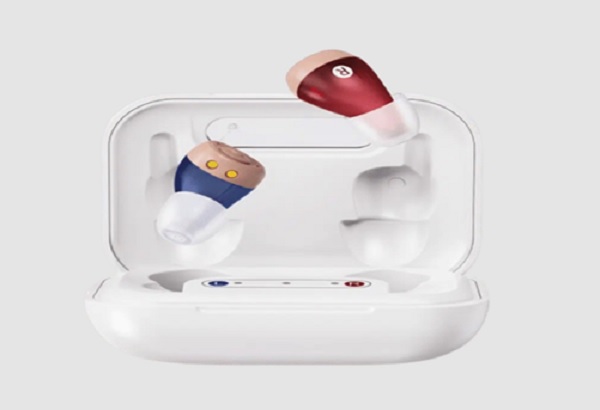
  • Rechargeable Convenience: Say goodbye to fiddling with tiny batteries. Amplihear comes with a portable charging case—just pop your hearing aids in overnight and enjoy up to 24 hours of crisp, clear hearing the next day.
  • Affordable for Everyone: With a price tag under $100, Amplihear is a fraction of the cost of traditional hearing aids, which can easily run into the thousands. That means better hearing without breaking the bank.
  • Trusted by Thousands: With over 12,000 satisfied customers and a 97% satisfaction rate, it’s no wonder Amplihear is one of the fastest-growing names in hearing assistance.

Amplihear Reviews

How Does Amplihear Work?

Amplihear is packed with smart features that make a real difference in your daily life. Here’s how it brings sound back into focus:

  • Smart Sound Technology: At its core, Amplihear uses a digital signal processor (DSP) to analyze the sounds around you. It amplifies speech and important sounds while filtering out distracting background noise—perfect for busy environments like restaurants or shopping centers.
  • Multi-Channel Processing: The device breaks down sounds into different frequencies, so it can boost what you need to hear (like voices) and minimize what you don’t (like traffic or chatter).
  • User-Friendly Controls: Adjusting your hearing aid is a breeze. Simple volume controls let you customize your experience, and there’s no complicated app or syncing required.
  • Wireless Charging: The included charging case uses USB-C for fast, reliable charging. A single charge gives you up to 24 hours of use, and the case itself holds multiple charges—great for travel or busy days out.
  • Comfort-First Design: Amplihear comes with multiple silicone ear tips, so you can find your perfect fit. Its low-profile, in-ear design means it won’t interfere with glasses, hats, or hairstyles.

What’s in the Box?

When you pick up Amplihear, you get everything you need for a seamless experience:

  • Two Amplihear hearing aids (left and right)
  • Portable USB-C charging case
  • USB-C charging cable
  • Multiple silicone ear tips for a custom fit
  • Cleaning tool for easy maintenance
  • Quick-start user guide

Real Customer Experiences

As retail associates, we hear stories every day from people whose lives have changed thanks to Amplihear. Many people share that it was heartbreaking missing out on family dinners, but with Amplihear, they’re part of the conversation again. Others mention that it’s tiny, powerful, and easy to charge—honestly better than some much more expensive models they tried years ago. Some customers are thrilled to have saved thousands with Amplihear, and it does everything they need: clear sound, comfort, and long battery life. Background noise is often the biggest challenge, but Amplihear filters that out and helps people stay present.

Who Should Consider Amplihear?

If you’re wondering whether Amplihear is right for you, here’s who we recommend it for:

  • Adults with mild to moderate hearing loss
  • Anyone struggling to follow conversations in groups or noisy places
  • People looking for an affordable, risk-free alternative to expensive hearing aids
  • Seniors who want a rechargeable, low-maintenance device
  • First-time hearing aid users who want a simple, plug-and-play solution

5 Reasons Amplihear is Perfect for First-Time Users

  • No Appointments or Tests: Ready to use right out of the box—no waiting, no hassle.
  • Affordable Entry Point: At under $100, it’s easy to try without a big financial commitment.
  • Simple Controls: No confusing apps or settings—just adjust the volume and go.
  • Discreet, Comfortable Fit: Designed for all-day wear, even with glasses or hats.
  • Risk-Free Guarantee: Try it for 60–90 days, and if you’re not satisfied, return it for a full refund.

Where to Buy Amplihear

Now, here’s the part we get asked about most: “Where can I buy Amplihear?” We always recommend purchasing directly from the official retail store. Here’s why:

  • Guaranteed Authenticity: Only the official store can guarantee you’re getting a genuine Amplihear device—not a knockoff or outdated model.
  • Best Pricing: The official store often runs special promotions, including up to 60% off and exclusive bundle deals.
  • Full Warranty and Support: Buying from the official source ensures you get the full manufacturer’s warranty, customer support, and access to the 60- or 90-day money-back guarantee.
  • Fast, Secure Shipping: Orders are processed quickly and safely, so you can start enjoying better hearing in just a few days.

Don’t risk your hearing health on imitations or third-party sellers. For peace of mind and the best possible service, head straight to the official Amplihear retail store. Our team is always here to answer your questions, help you find the right fit, and make sure you walk out ready to reconnect with the world of sound.

Ready to hear what you’ve been missing? Try Amplihear today—and rediscover the joy of every conversation, every laugh, and every moment.

read more
1 2 3
Page 1 of 3