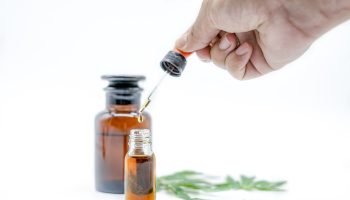
CBD may feel like a modern trend, but its origins go back much further.
The cannabis plant – from which CBD is derived – has been used in various forms for thousands of years across different cultures. Historically, it was valued for its versatility and widespread application, long before modern regulations existed.
Fast forward to 2026, and the landscape looks very different.
CBD is now one of the most closely monitored supplements in the UK, with increasing focus on dosage, compliance, and control.
This contrast between historical use and modern regulation is one of the reasons why microdosing is becoming such a relevant topic.
A Long History Meets Modern Oversight
For centuries, cannabis-based compounds were used without the structured frameworks we see today.
There were no formal intake limits, no regulatory classifications, and no standardised guidance.
Usage was largely based on experience and tradition.
Today, CBD sits within a highly regulated environment.
In the UK, it is classified as a Novel Food, meaning products must meet strict criteria before they can be legally sold. Alongside this, recommended intake levels are now a key focus.
This shift represents a complete transformation in how CBD is viewed.
The Reduction in Daily Intake Levels
One of the most significant developments in recent years has been the discussion around lowering recommended daily intake levels.
Earlier guidance suggested much higher amounts than what is currently being considered.
More recent discussions indicate that acceptable daily intake could be reduced to significantly lower levels.
While these figures are still evolving, the trend is clear:
👉 A move toward smaller, more controlled usage.
This has naturally influenced how consumers approach CBD.
A Question of Balance
CBD is non-intoxicating and widely used as a food supplement, yet it is subject to increasing levels of scrutiny.
At the same time, many everyday products – particularly processed foods high in salt or sugar – are known to have long-term health implications when consumed in excess, yet remain widely accessible.
This comparison has led to ongoing discussion within the industry.
Why is CBD, a non-intoxicating compound, being treated with such caution compared to other commonly consumed substances?
Some see this as a necessary precaution.
Others view it as part of a broader shift toward tighter control.
The Impact of Rapid Adoption
CBD did not grow slowly.
It expanded rapidly, moving from niche to mainstream in a relatively short period of time.
Large numbers of consumers began using CBD as part of their daily routines, and demand increased quickly.
This level of growth may not have been fully anticipated.
As a result, the industry is now being reshaped by increasing regulation and more defined expectations.
Where Could This Lead?
CBD is currently legal in the UK as a food supplement, provided it meets all regulatory requirements.
However, with ongoing reviews and tightening guidance, there is increasing speculation about how the market could evolve.
Potential changes could include:
- Lower recommended intake levels
- More clearly defined product categories
- Greater oversight of how CBD is sold and marketed
Some discussions have even raised the possibility that certain CBD products could become more tightly controlled in the future.
While this remains uncertain, it reflects the direction the industry appears to be moving in.
Why Microdosing Is Becoming the Logical Approach
In a landscape that is becoming more controlled, microdosing fits naturally.
Taking smaller amounts throughout the day aligns with:
- Lower intake discussions
- A more cautious regulatory approach
- Increased consumer awareness
Rather than focusing on higher strengths, users are starting to prioritise precision and consistency.
A More Refined Way to Use CBD
Microdosing encourages a more balanced approach.
By using smaller, measured amounts, individuals can:
- Stay within conservative guidance
- Adjust intake gradually
- Maintain a consistent routine
This reflects the broader shift taking place across the CBD industry.
Choosing the Right Product for Microdosing
Flexibility is key when working with smaller amounts.
CBD oils remain one of the most suitable options because they allow for precise control over dosage.
Being able to measure intake drop by drop makes it easier to experiment with lower amounts and build a routine over time.
For those exploring this approach, selecting a reliable full spectrum CBD oil UK option can help provide the control needed for more accurate dosing.
The Bigger Picture
What makes 2026 unique is the contrast.
On one hand, CBD has a long history of use that stretches back thousands of years.
On the other, it is now part of a highly structured and closely monitored industry.
Microdosing sits right in the middle of that contrast.
It represents a modern response to a changing environment – one where control, awareness, and precision are becoming more important than ever.