close

Eleanor

Dental

Dental Emergencies with Children in Indianapolis – What to Do.

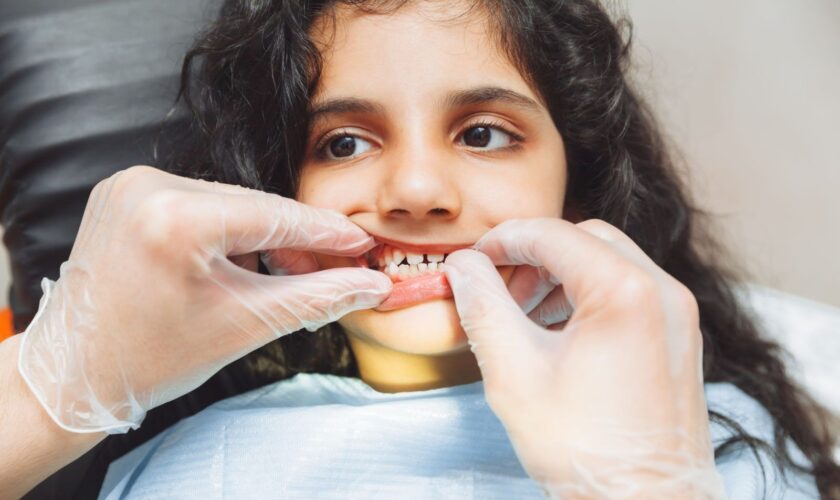
When it comes to taking care of dental emergencies with children, you must make sure that you are aware of all the tips and methods to control them immediately. As you know, unfortunate events strike when they are least expected; similarly, your child may also happen to fall while playing and end up getting his tooth chipped or broken. Therefore, if you have children, you must also prepare for the worst by having immediate access to an emergency dentist in Indianapolis. 

Dental emergencies and what to do:

  • Broken tooth

As you know, children are clumsy and careless; hence, if your child falls in the field or gets into an accident and ends up breaking a tooth, then make sure that you do not panic. First, make sure that you find the tooth and clean it with water. Do not scrub the tooth; rinse it gently under the water and put the tooth back in its place. If that does not seem possible, then store the broken tooth in saliva or milk. Lastly, make a quick appointment with your dentist and let him/her do their job.
  • Chipped tooth

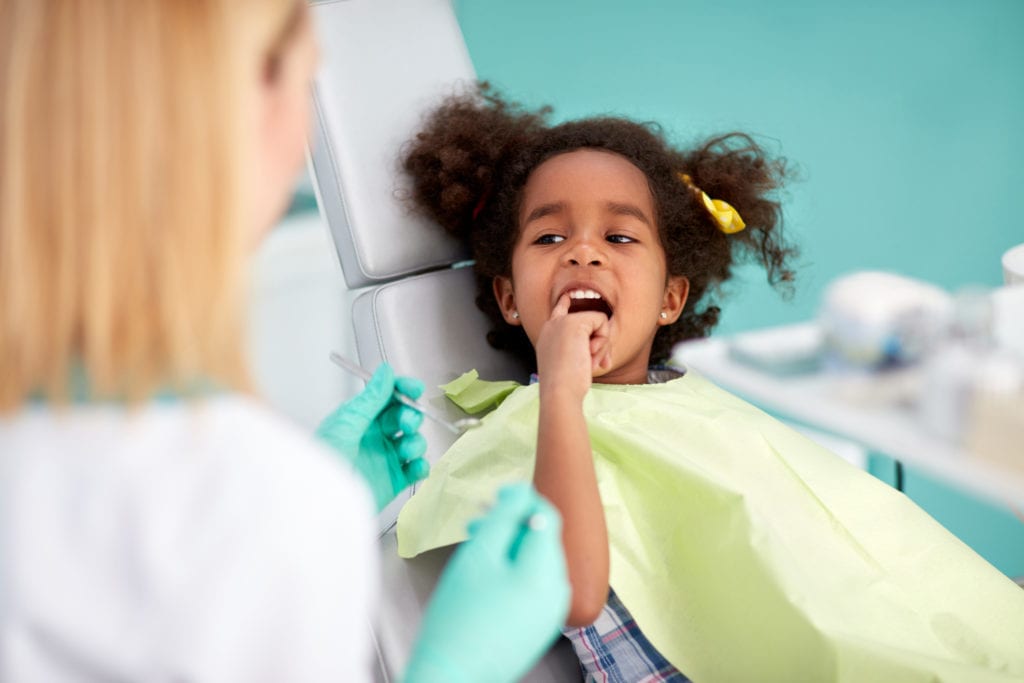
If the tooth is chipped, then help your child first by cleaning his mouth with warm water. You can also go to the scene of an incident where the tooth was chipped and collect whatever fragments you can find. If your child is bleeding too, then after cleaning the injured site, apply a clean cloth on it till the bleeding stops. After collecting the fragments of the tooth, store them in milk or saliva and visit your dental caretaker. Your dentist will make sure to explain to you treatment options.

  • Toothache

Toothaches are pretty common among children, so if your child is facing a toothache, then make your child rinse with salt water for at least 180 seconds for a better experience. You can also apply for alternatives like applying clove on the infected tooth since it can reduce inflammation and ease the pain. If both options are not doing much, then you can give him/her a painkiller for the time being. Since these remedies are for temporary relief, consider making an appointment with your dentist.

  • Lost crowns or fillings

If the crown or filling loses out or breaks, then this can make the child uncomfortable and cause pain. Thus, you can make sure that you let the child rinse salt water for 3 minutes straight for temporary relief. Try fixing the crown by filling it with dental ceramics. Contact your dentist and make an appointment so that the dental issue is addressed.

If your child is going through a dental emergency, consider making an emergency appointment with your dental caretaker.

read more
Health

What is the Difference Between an Oral Health Therapist and a Dentist?

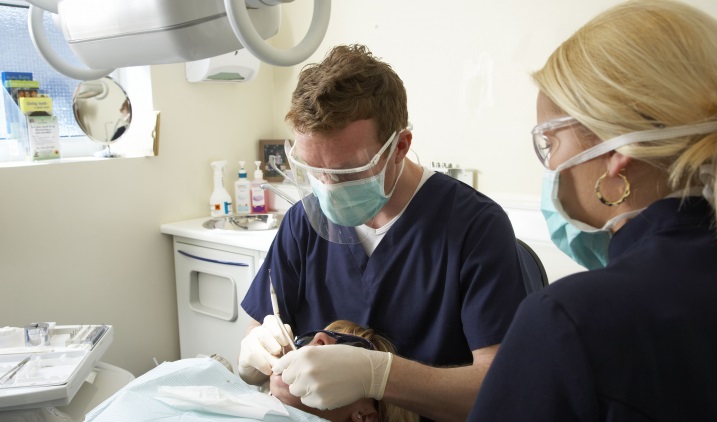
Understanding the roles of various dental professionals is essential for making informed decisions about your oral health care. Two key figures in this field are oral health therapists and dentists. While both provide expert dental care, their roles, training, and scope of practice differ. This guide will help clarify the distinctions between an oral health therapist and a dentist.

Roles and Responsibilities

Both oral health therapists and dentists play vital roles in maintaining oral health, but their responsibilities differ significantly.

Dentist

A dentist is a healthcare professional who specializes in diagnosing, treating, and preventing oral health problems. Dentists undergo extensive training to provide a wide range of dental services, including complex procedures. They are equipped to handle a broad spectrum of dental issues and perform various treatments.

Responsibilities of a Dentist:

  • Diagnosing oral health issues, such as cavities, gum disease, and oral cancer.
  • Performing restorative procedures like fillings, crowns, and root canals.
  • Conducting surgical procedures, including extractions and dental implants.
  • Providing cosmetic dental treatments, such as veneers and teeth whitening.
  • Developing comprehensive treatment plans for patients.
  • Educating patients on maintaining optimal oral health.

Dentists are the primary providers of comprehensive dental care, ensuring that patients receive thorough and expert dental care.

Oral Health Therapist

An oral health therapist is a dental professional trained to provide preventive and restorative dental care, particularly for children and adolescents. They combine the roles of a dental hygienist and a dental therapist, focusing on promoting good oral health and preventing dental diseases. Their scope of practice is more limited compared to dentists, but they play a crucial role in maintaining dental hygiene and preventive care.

Responsibilities of an Oral Health Therapist:

  • Conducting oral health assessments and screenings.
  • Providing preventive care, such as cleanings, fluoride treatments, and sealants.
  • Educating patients on proper oral hygiene practices.
  • Performing basic restorative procedures, including fillings and extractions of primary teeth.
  • Developing personalized oral health plans for patients.
  • Collaborating with dentists to ensure comprehensive patient care.

Oral health therapists are essential in providing preventive care and educating patients, helping to maintain good oral hygiene and prevent more serious dental issues.

Education and Training

The educational pathways and training for dentists and oral health therapists differ significantly, reflecting the scope and complexity of their roles.

Education and Training for Dentists

Dentists undergo rigorous education and training to ensure they can provide comprehensive dental care. The typical path includes:

  • Completing a bachelor’s degree, often with a focus on sciences.
  • Attending dental school to earn a Doctor of Dental Surgery (DDS) or Doctor of Dental Medicine (DMD) degree, which usually takes four years.
  • Passing national and state licensing exams to practice dentistry.
  • Continuing education to stay updated with the latest advancements in dental care.

This extensive education equips dentists with the knowledge and skills to perform a wide range of dental procedures and treatments, ensuring they can provide expert dental care.

Education and Training for Oral Health Therapists

Oral health therapists also undergo specialized training, though it is not as extensive as that required for dentists. The typical path includes:

  • Completing a bachelor’s degree in oral health therapy, which usually takes three to four years.
  • Gaining practical experience through clinical placements.
  • Passing national and state licensing exams to practice as an oral health therapist.
  • Participating in continuing education to maintain and update their skills.

The focused training allows oral health therapists to excel in preventive and basic restorative care, making them valuable members of the dental care team.

Scope of Practice

The scope of practice for dentists and oral health therapists varies, influencing the types of treatments they can provide.

Scope of Practice for Dentists

Dentists have a broad scope of practice, allowing them to perform:

  • Comprehensive examinations and diagnoses.
  • Advanced restorative procedures, including crowns, bridges, and dentures.
  • Complex surgical procedures, such as extractions, implants, and bone grafts.
  • Orthodontic treatments, such as braces and aligners.
  • Emergency dental care for acute issues.

Dentists’ extensive training and broad scope of practice enable them to address a wide range of dental health issues, providing expert dental care for various needs.

Scope of Practice for Oral Health Therapists

Oral health therapists focus on preventive and basic restorative care, including:

  • Conducting oral health assessments and cleanings.
  • Applying fluoride treatments and dental sealants.
  • Performing fillings and extractions of primary teeth.
  • Educating patients on oral hygiene practices.
  • Developing preventive care plans.

While their scope is more limited, oral health therapists play a crucial role in maintaining dental hygiene and preventing more serious dental problems.

Collaboration Between Dentists and Oral Health Therapists

Collaboration between dentists and oral health therapists ensures comprehensive care for patients. Dentists often refer patients to oral health therapists for preventive care and basic treatments, while oral health therapists refer more complex cases to dentists. This teamwork enhances patient care by combining the strengths of both professionals, ensuring that patients receive expert dental care tailored to their needs.

Conclusion

Understanding the differences between an oral health therapist and a dentist can help you make informed decisions about your dental care. While both professionals provide essential services, their roles, training, and scope of practice vary. Dentists offer comprehensive and advanced treatments, while oral health therapists focus on preventive and basic restorative care. Together, they ensure that you receive expert dental care that addresses all aspects of your oral health.

By knowing what to look for and understanding the unique contributions of each professional, you can choose the right dental care provider for your specific needs, ensuring a healthy and confident smile.

read more
Health

The Complete Core Exercise Guide for Beginners and Experts

Core exercises are essential for overall wellness, regardless of athlete experience. A strong core improves balance, stability, posture, and sports and daily activity performance. This guide will explain core exercises and provide activities and guidance for all fitness levels.

Recognizing the Basics

Your core includes your lower back, hips, and pelvic muscles, not just your abs. These muscles help regulate posture, movement, and pelvis and spine stability. A well-rounded core workout targets all four regions, ensuring a balanced and effective workout.

Core Exercise Benefits

A variety of health benefits can be gained from core workouts. Building a strong core not only improves sports performance but also lowers the risk of injury and alleviates back discomfort. Balance and posture are also improved, making it more suitable for high-intensity sports and for routine occupations.

Starting Core Exercises Made Easy

Core workout beginners should start with simple but effective programs. Bird-dogs, bridges, and planks work well. With little to no equipment, these core workouts train numerous muscles. Keep your form right to maximize performance and avoid injury.

Advanced Core Workouts

Once you have mastered the fundamentals, you can push yourself further by performing more difficult core exercises. Extensive and varied exercises such as Russian twists, stability ball pikes, and hanging leg lifts are included in this category. Incorporate these workouts into your routine to strengthen your core.

Equipment Included

Equipment improves core exercises by providing instability and resistance. Medicine balls, stability balls, and resistance bands boost workouts. Using a medicine ball for Russian twists or a stability ball for planks might make the workout harder.

Sporting Core Exercises

Players need to have strong cores in order to be successful in a variety of sports. Play-like actions are emphasized in core exercises that are particular to a sport. Dynamic planks are beneficial to runners, and rotational movements are beneficial to tennis players.

Harmonizing Schedules

A balanced core workout should target all major core muscles. Include mountain climbers and planks. Maintaining a regular routine and doing core workouts two or three times a week will pay dividends.

Avoiding Common Mistakes

Overtraining, disregarding muscle groups, and poor form are common core workout mistakes. To avoid injury, perform workouts appropriately. You must also let your muscles recuperate. Overusing your core can fatigue you and reduce performance.

Staying Motivated

Motivation is needed to do core exercises regularly. Setting realistic goals, tracking your progress, and varying up your workouts may keep them interesting. Joining a fitness class or working out with a friend provides accountability and support.

Conclusion

Core workouts are essential for strengthening, stabilizing, and enhancing general fitness. You can build a strong core regardless of your experience by varying up your exercises and being consistent. Always listen to your body, improve your form, and have fun as you get fitter and healthier.

read more
Health

Stop Being a Victim Change How You Think and Take Charge of Your Life

It’s dangerous to think like a victim. It’s a way of thinking that makes you feel helpless, negative, and like you can’t change anything. Even though everyone has problems, staying in this way of thinking stops you from growing and being happy. There are things you can do to stop playing the victim, to break free and become more powerful.

Change the Way You Think: From Blaming To Taking Responsibility

Realizing that you are in charge of your life is the first step. Even if outside forces affect your situation, you still have the power to choose how to react. Focus on what you can change: your thoughts, actions, and emotions. Don’t blame other people or dwell on the past.

Think about it this way: “I can’t get a job because the economy is bad,” but “I can improve my skills and actively seek out opportunities.” This change in perspective gives you the power to act and make things better.

Fight against Negative Self-Talk

Negative self-talk is a common sign of a victim mind-set. Some people constantly say negative things to themselves, like “I can’t” or “It’s not fair.” Pay attention to what you’re saying to yourself and do something to change these bad thoughts. Change them out for statements that focus on your skills and abilities.

Say something like, “I’m learning and growing, and I can reach my goals,” instead of “I’m a failure.” This kind of positive self-talk can have a big effect on your mood and help you believe in yourself.

Pay Attention to Answers, Not Issues

Thinking about problems over and over again makes you feel even more useless. Instead, turn your attention to getting answers. When you’re having a problem, ask yourself, “What can I do about this?” and then start to think of possible answers. Taking action, even if it’s just a few steps, can give you strength and help you stop being a victim.

Learn To Be Thankful

Being thankful can make a big difference in how you see things. Every day, take some time to enjoy the good things in your life, no matter how big or small they are. Being grateful for your health, your relationships, or even a beautiful sunset can help you do this. Being thankful makes you happy and lessens your desire to only think about bad things.

Conclusion

It is important to keep in mind that overcoming the victim mentality is a process rather than an end result. Along the journey, there will be a number of issues and things that will not go as planned. On the other hand, if you continue to engage in these activities and focus on your own development, you will be able to equip yourself with the resources you require to make your life more productive and pleasant.

read more
Health

Same-Day Weed Delivery: Accommodations in close proximity to your residence

These days, living quickly requires accommodations. People want things brought right to their door in a few snaps, from food to clothes. About marijuana, the same is true. The same day weed delivery has grown in popularity as online dispensaries have grown. We should explore the world of same-day marijuana delivery and look into how it’s essentially changing how people get their favorite strains.

Rising Same-Day Weed Conveyance Administrations

Long lines at the local dispensary are long gone. Same day marijuana delivery services have upended the marijuana industry by providing a practical and cautious way to make purchases. These treatments cater especially to the needs of all clients, whether they are sportsmen looking to relax or clinical patients needing pain relief.

Functions of It

Getting marijuana delivered same day is about as easy as ordering pizza. Basically go to the site, look over the selection of products, and load your truck with your favorite items. When you’ve decided, go ahead and select the same-day transportation option at checkout. You will next be prompted to enter your location and payment details. Once approved, just take in the moment as your marijuana is quickly delivered right to your door.

Rewards of Same-Day Weed Conveyance

The main advantage of same-day marijuana delivery is lodging. Never again will you have to plan a trip to the dispensary or worry about running out of your main strain. You can have your marijuana delivered anywhere and at any time you want it with same-day delivery.

Same-day marijuana delivery also provides a level of security that traditional dispensaries are unable to match. When your marijuana is delivered in an unadorned bundle, there’s no good reason to worry about snooping neighbours or critical looks.

Security and Well-Being

Main worries when purchasing marijuana are security and well-being. The same day marijuana delivery services take these concerns very seriously and make sure that every transaction is safe and careful. Your own information is kept private, and plain cars are used for transportation to ensure your safety.

For some people, same day weed delivery becoming their preferred method. Seeing why is easy given its accommodation, diligence, and need to be somewhere safe and secure. Same day transportation provides a hassle-free way to reach your top strains, regardless of your status as a clinical patient or a sporting client. What then is the point in watching? Send in your application right now to take advantage of same-day marijuana delivery for yourself.

read more
Featured

Navigating Sobriety: Leading Drug Treatment Programs in Birmingham, AL


Warning: Trying to access array offset on false in /home/worldcrisis/public_html/wojonutrition.com/wp-content/themes/innovation/includes/ruby_core/ruby_action.php on line 195

Birmingham, Alabama reveals itself as a shining city with a rich history and a vibrant, diverse community. But as with many urban centers, its very success and dynamism have brought to light a public health challenge – substance abuse. The stronghold of narcotics and alcohol addiction on the social fabric of this community is a pressing concern that demands not only immediate attention but also strategic, sustainable solutions. The rise of this issue has seen a parallel surge in drug treatment programs, each with its own approach and capabilities.

Here, we will take a close look at some leading drug rehab birmingham al, outlining their unique features and how they cater to the individual’s needs as they tread the path to recovery.

Community Recovery

One notable program is Community Recovery, which offers a holistic approach to addiction treatment. By recognizing that substance abuse is often a symptom of deeper emotional turmoil, they provide patients with comprehensive care, including one-on-one therapy, group sessions, and education on addiction and recovery. The program’s multifaceted treatment strategy integrates behavioral therapies alongside medical interventions when required. What sets Community Recovery apart is its emphasis on creating a supportive community that extends beyond the patient’s stay, offering aftercare and support networks to ensure long-term sobriety.

Birmingham Freedom Center

The Birmingham Freedom Center is another beacon of hope for individuals seeking a way out of the grip of addiction. Noted for its culturally sensitive approach, the center focuses on acknowledging and addressing the specific needs of minority and marginalized groups within the Birmingham community. The program’s success stems from its dedication to providing a safe and understanding environment where individuals can work through their recovery without fear of judgment. Equipped with a variety of treatment models and a staff with diverse expertise, the Birmingham Freedom Center ensures that each patient receives personalized, empathetic care that addresses their unique background and challenges.

The Recovery Village

An integrated system of care characterizes The Recovery Village in Birmingham. This approach incorporates various stages of treatment into one continuum, ensuring a smooth transition from detox and residential care to partial hospitalization and outpatient services. The program’s comprehensive structure allows for continual monitoring and adjustment of the patient’s treatment plan, which can be crucial in the often complex and non-linear path to sobriety. The Recovery Village also places a significant focus on mental health and wellness, understanding that these elements are inseparable from addiction treatment. By offering dual-diagnosis treatment and and nutrition-focused recovery plans, they aim to restore not just physical health but emotional and mental well-being as well.

Moving Ahead

With the city’s steadfast commitment to conquering the claws of addiction, these programs are but a sampling of the vitality and options available for individuals in Birmingham who are ready to take control of their lives. The key to effective drug treatment in Birmingham is the ongoing adaptation of these programs to the specific needs and challenges of the community.

The battle with addiction is a deeply personal one. It requires tailored support, a nurturing environment, and an unwavering dedication to change. In Birmingham, AL, leading drug treatment programs pave the way for individuals to rediscover their strength and purpose, offering more than a service but a true opportunity for a fresh start. The road to recovery may be challenging, but these programs stand as testimony to the fact that it is not one to be walked alone.

read more
Health

Smooth Skin without Surgery:  How Can Rejuran S Help With Acne Scars?

Living with acne scars can be a challenge, affecting not just skin health but also self-confidence. Today, there are effective, non-surgical methods to reduce and potentially remove these blemishes. This extensive article explores the most effective treatments for acne scar removal, providing in-depth insights tailored to help you achieve smooth and clearer skin.

Understanding Acne Scars

Acne scars result from deep trauma to the skin related to acne, including cysts and inflamed nodules. The healing process sometimes leaves a fibrotic, uneven skin surface or pits where the tissue was damaged. Dealing with these scars involves various treatment strategies that range from topical solutions to advanced dermatological procedures, all designed to smooth out the skin’s appearance without surgical interventions.

Top Treatments for Acne Scar Removal

Chemical Peels for Smoother Skin

Chemical peels are a cornerstone treatment in acne scar management. This procedure involves applying a chemical solution that causes the top layers of the skin to exfoliate and eventually peel off. The new skin that replaces it is usually smoother and less scarred in appearance. For acne scar removal, medium to deep peels are most effective. They target the deeper layers of the skin, encouraging the regeneration of skin cells, which diminishes the depth and severity of scars.

Microdermabrasion: Gentle Resurfacing

Microdermabrasion is a milder treatment that can be used on all skin types. It involves a minimally abrasive instrument to gently sand your skin, removing the thicker, uneven outer layer. This type of skin rejuvenation is used to treat light scarring, discoloration, sun damage, and stretch marks. It’s particularly beneficial for individuals looking to improve the appearance of their acne scars without significant downtime.

Laser Skin Resurfacing for Precision and Depth

Laser resurfacing has become increasingly popular for acne scar removal. This technique uses concentrated light beams to remove damaged skin layer by layer with precise control. The procedure not only reduces the appearance of scars but also enhances the overall texture of the skin. There are two types of lasers commonly used: ablative lasers, which are the most intense as they remove layers of skin, and non-ablative lasers, which target the underlying skin structure to promote collagen growth and skin tightening.

Microneedling: Promoting Skin Repair

Microneedling is a procedure that involves using small needles to create tiny punctures in the top layer of skin. This process works to boost the body’s natural healing processes and collagen production, smoothing out scars and rejuvenating the skin. Regular treatments over a period of months can significantly reduce the visibility of acne scars, making this a favored option for ongoing maintenance.

Topical Retinoids and Creams

Topical treatments can also be effective in the management of acne scars, especially when combined with other therapies. Retinoids speed up cell regeneration, which can lessen the appearance of acne scars over time. Other creams containing alpha hydroxy acids and beta hydroxy acids also promote skin peeling and renewal, gradually diminishing the scar’s appearance.

Personalized Acne Scar Removal Plans

Every skin type is different, and so is every acne scar. Consulting with a dermatologist who can offer a personalized treatment plan is crucial. Such a plan might include one or several of the above treatments, depending on the type and severity of the acne scars.

Lifestyle Tips for Managing Acne Scars

While professional treatments are important, managing acne scars also involves taking good care of your skin daily. This includes adequate hydration, using sunscreen, maintaining a healthy diet, and using non-comedogenic makeup and skincare products that do not clog pores. Additionally, avoiding direct sun exposure and not picking at scars are crucial steps to prevent worsening of the scars.

Conclusion

Acne scars can be a distressing issue, but with today’s advancements in dermatological treatments, effective and non-invasive options are available for acne scar removal. Whether through chemical peels, laser treatments, microneedling, or topical products, each method offers a pathway to clearer, smoother skin. Tailoring the treatment to your specific skin type and scar condition, alongside maintaining a healthy skin care regimen, can lead to successful management and often substantial reduction of acne scars.

read more
Health

How NPs address mental health and sleep quality

The link between mental health and sleep quality is one that, though crucial, is often overlooked as an aspect of overall wellbeing. For many individuals, issues with mental health can lead to disruptions in sleep patterns. Poor sleep quality can exacerbate mental health conditions.

Thanks to their comprehensive approach to care, nurse practitioners play a key role in addressing these interconnected issues. Through interventions like cognitive-behavioral therapy and sleep hygiene education, nurse practitioners are positioned to help patients improve their mental health and sleep quality.

In this article, we explore the complex relationship between mental health and sleep quality. In particular, we highlight the important role that nurse practitioners play in improving outcomes for patients struggling with mental health issues and poor sleep.

How does mental health affect sleep quality?

Poor sleep quality is intricately linked to mental health conditions. It manifests in various clinical symptoms that can range from difficulty falling or staying asleep to nightmares and daytime sleepiness.

If studies like this one are anything to go by, there is a significant prevalence of sleep disorder symptoms in psychiatric patients, with rates as high as 40.75%. These symptoms, including narcolepsy, sleep breathing disorder and circadian rhythm disorder, are associated with factors such as age, physical activity levels and anxiety disorders.

The connection between poor sleep and mental health is profound, with each impacting the other in a bidirectional relationship. The most notable mental health conditions are often linked to sleeping problems, including issues such as depression, anxiety, bipolar disorder, seasonal affective disorder (SAD), attention-deficit/hyperactivity disorder (ADHD), schizophrenia and obsessive-compulsive disorder (OCD).

Depression, for example, affects approximately 21 million adults in the US alone. With insomnia symptoms, these patients find it extremely difficult to fall or stay asleep.

Similarly, anxiety sufferers often report prolonged periods of awakeness and poorer sleep quality, with 60 to 70% of generalized anxiety sufferers experiencing sleeping issues. Bipolar disorder and SAD are also strongly linked to sleep disturbances, with poor and fragmented sleep being key factors that exacerbate the symptoms.

ADHD is predominantly diagnosed in children. However, it also affects adults on a massive scale and is associated with increased nighttime breathing trouble, insomnia, restless leg syndrome, narcolepsy and circadian rhythm problems.

Schizophrenia is estimated to affect less than 1% of the population. It is characterized by sleeping issues such as insomnia, restless leg syndrome, obstructive sleep apnea and periodic limb movement disorder.

OCD, which involves intrusive, distressing thoughts and repetitive behaviors, also commonly leads to poor sleep quality. The impact of sleep on mental health is equally profound.

Poor sleep impairs cognitive functioning and increases anxiety and stress, as well as disrupting emotional regulation, all of which can worsen symptoms of mental health conditions. Sleep deprivation can even trigger or exacerbate symptoms of OCD. Conversely, improved sleep quality has been linked to a decrease in mania symptoms in bipolar disorder and a reduction in anxiety symptoms. 

The role of nurse practitioners in managing mental health and sleep disorders

It goes without saying that nurse practitioners (NPs) play a crucial role in managing mental health and sleep disorders. They offer a wide range of services to help patients achieve better mental wellbeing and improved sleep quality. Here are seven key ways that NPs are making a difference for those struggling with mental health and sleep disorders:

Conducting comprehensive assessments

NPs conduct thorough assessments to gain a comprehensive understanding of the patient’s mental health and sleep patterns. These assessments involve reviewing the patient’s medical history, which includes any previous diagnoses or treatments for mental health disorders or sleep disturbances. NPs also assess the patient’s current symptoms.

The key issues they look at include the severity and duration of their symptoms, as well as any factors that may be contributing to their condition. For example, they determine if issues such as stress, lifestyle factors or underlying medical conditions could be contributing to the specific mental health conditions and the observed sleep patterns.

Developing individualized treatment plans

Depending on the results of their assessments, NPs develop individualized treatment plans that are tailored to the patient’s specific needs and circumstances.

These treatment plans may include a combination of pharmacological and non-pharmacological interventions. For example, they may include medication, psychotherapy, lifestyle modifications and sleep hygiene practices.

NPs also work closely with patients to develop realistic treatment goals. They strive to provide ongoing support and guidance throughout the treatment process in an effort to achieve the best treatment outcomes possible.

Providing patient education

Nurse practitioners also go the extra mile to provide education to patients and their families about mental health disorders and sleep disturbances. For example, they explain the nature of the patient’s condition, including the underlying causes and contributing factors.

NPs educate patients about the various treatment options available to them. They also break down the potential benefits and risks of each option to help the patients and their families make informed decisions about their care and treatment.

Prescribing medication

Thanks to the extensive training they receive and the scenarios they’re exposed to, NPs are authorized to prescribe medication for mental health disorders and sleep disturbances. This may include antidepressants, anti-anxiety medications, mood stabilizers and sleep aids. In many states, NPs have full practice authority, so they can work without the supervision of a doctor. 

NPs carefully evaluate the patient’s symptoms and medical history before prescribing medication. They closely monitor the patient’s response to treatment to ensure its effectiveness and safety.

Offering psychotherapy

NPs can provide basic psychotherapy to help patients manage their mental health disorders and sleep disturbances. This may include individual therapy, group therapy or family therapy, depending on the patient’s needs and preferences.

For the best treatment outcomes, NPs use evidence-based psychotherapeutic approaches. The approach will often include cognitive-behavioral therapy (CBT) to help patients identify and change negative thought patterns and behaviors that may be contributing to their condition.

Collaborating with other healthcare providers

Nurse practitioners also collaborate closely with multidisciplinary teams to ensure holistic care for patients. The groups they typically collaborate with include psychiatrists, psychologists, primary care physicians and social workers.

This collaboration involves developing and implementing comprehensive treatment plans, sharing information about the patient’s condition and progress, and coordinating care to address all aspects of the patient’s wellbeing. Through this type of collaboration, healthcare providers can provide more effective and coordinated care to ensure better outcomes for patients with mental health and sleep disorders.

Monitoring and adjusting treatment plans

Nurse practitioners also diligently track the patient’s response to treatment and adjust treatment plans as necessary. This entails fine-tuning medication doses, refining psychotherapeutic strategies and adapting lifestyle suggestions as required.

Regular evaluations gauge the progress made toward the treatment objectives. They help ensure that interventions remain aligned with patient needs. Importantly, NPs offer unwavering support as they motivate patients through setbacks and celebrate milestones to encourage a collaborative journey towards sustained wellbeing.

What are the possible behavior interventions?

Addressing sleep and mental health issues requires a multifaceted approach. In particular, it demands the incorporation of various behavior interventions. One of the most prevalent sleep disorders that NPs deal with frequently is insomnia. Affecting even those with medical and psychiatric conditions, it isn’t easy to deal with.

Hypnotic drug treatments or sleeping tablets, while effective, carry potential drawbacks. Here’s where the use of behavioral interventions becomes a valuable alternative. Some of the most notable behavioral interventions for sleep and mental health issues include relaxation training, stimulus control therapy, sleep restriction therapy, sleep hygiene and paradoxical intention therapy. Keep reading to understand what is involved with these interventions and how each of them works.

Relaxation techniques are designed to calm the mind and body to promote better sleep and mental wellbeing. These methods include deep breathing exercises, progressive muscle relaxation and guided imagery. They aim to reduce stress and anxiety levels to alleviate insomnia and improve overall mental health. Regular practice helps to improve both sleep quality and sleep duration.

Stimulus control therapy focuses on establishing a strong association between the bed and sleep. For this behavior intervention, patients are instructed to use the bed only for sleep and intimacy. Patients are advised to avoid stimulating activities such as watching TV or using electronic devices. The aim of this intervention is to reinforce the connection between the bed and sleep to help overcome insomnia and regulate sleep-wake patterns. Consistent adherence to stimulus control guidelines encourages a conducive sleep environment. It also facilitates restorative sleep and mental clarity.

Sleep restriction therapy, the overarching goal is to consolidate sleep by limiting time spent in bed to match actual sleep duration. Initially, individuals may spend fewer hours in bed than usual. They would then gradually increase the hours as sleep efficiency improves. This intervention optimizes sleep efficiency and reduces nighttime awakenings. Implemented correctly, it can lead to more restful sleep and enhanced mental resilience. Even though some people find this challenging initially, adherence to prescribed sleep schedules is most likely to yield sustainable improvements in sleep quality and mental wellbeing over time.

Sleep hygiene involves adopting habits and behaviors that are conducive to better sleep. Recommendations include maintaining a consistent sleep schedule, creating a comfortable sleep environment, avoiding stimulants like caffeine close to bedtime and engaging in relaxing activities before sleep. Through the encouragement of healthy sleep habits, sleep hygiene optimizes sleep quality and duration. In particular, it addresses underlying factors that contribute to insomnia and mental health concerns.

Paradoxical intention therapy involves encouraging individuals to embrace their insomnia rather than resist it. This can help to alleviate the anxiety associated with sleep difficulties.

Cognitive restructuring focuses on challenging and modifying negative thoughts and beliefs about sleep. It promotes a more positive outlook and reduces sleep-related distress. These cognitive-behavioral approaches help ensure individuals are equipped to regain control over their sleep and mental health.

Education and empowerment for individuals 

The role of nurse practitioners in helping manage mental health and sleep issues also extends to educating patients about the bidirectional relationship between mental health and sleep. The key focus is to empower the patients and their families to take control of their wellbeing. 

Frequently, the roles of nurse practitioner vs. physician assistant are compared, and while there is a definite overlap between the two roles, the training required is unique for each. In many states, nurse practitioners have full practice authority, so they can work independently of a doctor, which allows them to diagnose conditions, prescribe medications and manage overall patient care. Individuals interested in becoming a nurse practitioner should explore online MSN programs from reputable institutions such as Wilkes University. Combining 100% online coursework with in-person clinical placements, this program is ideal for working nurses who would like to study further without putting their careers on hold. 

When it comes to educational initiatives, nurse practitioners can provide various educational programs to help patients and their families or loved ones understand the importance of sleep for mental health. They explain how disruptions in sleep patterns can impact mood, cognition and overall functioning. One key aspect of this education is sleep hygiene. In comparison, physician assistants are skilled in conducting thorough assessments of patients’ medical histories and physical conditions. They can evaluate the physiological aspects of sleep disorders and their potential impact on mental health, such as the presence of underlying medical conditions like sleep apnea or restless legs syndrome. 

Understanding the symbiotic link

With both sleep and mental health impacting each other, the relationship between them is profound. Thanks to the unique position that nurse practitioners take to address these intertwined issues, they have a huge role to play in offering a holistic approach that considers the interconnectedness of mind and body. As we move forward, it is crucial for healthcare providers to prioritize integrated care that recognizes the importance of mental health and sleep in achieving optimal health outcomes. 


read more
Health

HHC vaping pens – A must-try for connoisseurs of fine vapor

Vaping has greatly evolved as a method of cannabis consumption. What started as a simple utility for nicotine has transformed into a high art form for hemp-derived compounds like HHC. This relatively new cannabinoid has ignited a revolution in vape pens tailored specifically to unlock its unique properties and flavors. For true vapor connoisseurs seeking new frontiers of design, potency, and experience, HHC vaping pens represent the latest pinnacle that demands discovery.

Allure of tetrahydrocannabinol

HHC stands for tetrahydrocannabinol, a slightly modified version of THC derived from federally legal hemp. Early buzz among cannabis aficionados is that HHC provides a clear, energetic euphoria and relaxed body effects reminiscent of delta-9 THC, but with even greater duration and psychedelic nuances. HHC vaping pens allow direct access to HHC’s enticing properties in a convenient, fast-acting format. As interest rapidly grows, expert vape artisans are taking HHC hardware to the next level.

Pens optimized for pure potency

For the ultimate HHC experience, vapor quality depends greatly on vaporizer engineering. The best HHC pens feature:

  • Variable voltage batteries to fine-tune heat from gentle to intense. Lower temps preserve flavor profiles while higher temps maximize vapor density.
  • Quartz, ceramic, or glass heating cores and wicks that withstand HHC’s viscosity at high concentrations without burning.
  • High-purity HHC distillate exceeding 95% for uncompromising potency.
  • Broad spectrum cannabis terpenes re-infused for strain-specific flavors.
  • When vape pens are designed specifically for HHC’s unique properties, they unlock its full potential. Much like a dry herb vaporizer, precision heating and airflow control play a crucial role in delivering consistent flavor and potency.

Hardware built for connoisseurs

Discerning HHC vaping fans demand more than just basic functionality. Elite pens deliver:

  • The sleek, discreet aesthetic for stealthy vaping with matte black finishes.
  • Artisanal stainless steel and glass cartridge tanks resistant to cracking and leaks.
  • Draw-activated heating for perfect temperature control with each inhale.
  • Magnetic adapters for effortless cartridge swapping.
  • Long-life batteries rated for 500+ charge cycles.
  • The devil is in the details of HHC pen engineering and hardware for a five-star experience.

Formulations targeting vibe and effect

Hardware is just the foundation. Real fans of HHC vapers also relish the nuanced formulations of HHC oil inside each pen. Savvy HHC brands tune the cannabinoid and terpene profile of their vape juices to generate desired vibes, such as:

  • Focus – Pinene + Limonene
  • Energy – Limonene + Beta-caryophyllene
  • Bliss – Linalool + Beta-caryophyllene
  • Chill – Myrcene + Linalool
  • Create – Alpha-pinene + Beta-caryophyllene

The ability to match oil compositions to activities makes each HHC session more intentional.

Unlocking the full entourage effect

While HHC produces strong effects on its own, reintroducing other minor hemp cannabinoids and terpenes amplifies advantages in synergy. Advanced hhc vape juice may include:

  • CBN to induce relaxation without sedation
  • CBG to enhance focus with minimal head fog
  • Beta-caryophyllene to reduce anxiety and increase calm
  • Pinene and Limonene for non-drowsy energy and mental clarity
  • The entourage effect creates more nuanced, balanced, and holistic highs.

Flavor profiles for discerning palates

Great HHC vaping isn’t just about effects, but also savoring the flavors of fine cannabis terpenes. Refined options include:

  • Sweet guava and bergamot profiles for tropical uplifting vibes.
  • Earthy pine and pepper blend with a woodsy flair.
  • Citrusy lemon-lime and orange zest for bright daytime use.
  • Decadent chocolate and mint mixes satisfy dessert cravings.

There’s a strain-specific taste for every hobbyist whether they seek juicy, spicy, fresh, or sweet.

read more
Health

Strategies for Development and Growth for Children

Recognizing Individual Strengths

Every child with special needs has a unique set of abilities that can be nurtured and developed. Identifying these strengths involves observing the child in different settings and understanding their interests and aptitudes. Parents and caregivers can:

  • Celebrate small achievements
  • Encourage activities that play to their strengths
  • Provide opportunities for success

The Importance of Early Intervention

Early intervention is crucial for children with special needs. It can significantly impact their development and quality of life. Key components include:

  1. Timely identification and assessment
  2. Access to appropriate therapies and educational programs
  3. Regular monitoring and adjustments to interventions

Creating a Supportive Home Environment

A supportive home environment is foundational for the growth of a child with special needs. This includes:

  • Establishing routines and structure
  • Adapting the living space to the child’s needs
  • Ensuring a positive and nurturing atmosphere

In this journey, organizations like the CP Family Network provide invaluable support and resources, helping families navigate the complexities of cerebral palsy, from diagnosis to treatment and beyond.

Educational Approaches Tailored to Special Needs

Choosing the Right School and Curriculum

Selecting an educational setting that accommodates a child’s special needs is crucial. Parents should look for schools that offer individualized education plans (IEPs), have a staff experienced in special education, and provide a curriculum that can be tailored to each child’s abilities. Inclusion in mainstream classrooms, when appropriate, can also be beneficial for social development.

Incorporating Assistive Technology

Assistive technology can be a game-changer for children with special needs. Tools such as speech-to-text software, audiobooks, and specialized keyboards can help bridge the gap in communication and learning. It’s important to assess the child’s needs and find technology that supports their learning style and challenges.

Fostering Social Skills and Peer Relationships

Social interactions are an essential part of a child’s development. Schools and parents can work together to create opportunities for children with special needs to interact with their peers. This can include structured social skills groups, buddy systems, and inclusive extracurricular activities. Encouraging these relationships helps build confidence and social competence.

Promoting Independence and Self-Care

Fostering independence and self-care in children with special needs is a vital aspect of their development. It not only contributes to their sense of autonomy but also enhances their confidence and self-esteem. Daily living skills training is a cornerstone of this process, where children learn essential tasks such as dressing, eating, and personal hygiene through structured steps. These skills are best taught through repetition and positive reinforcement, ensuring that children feel successful with each new accomplishment.

Encouraging Decision-Making and Problem-Solving

Equipping children with the ability to make decisions and solve problems is crucial for their long-term independence. This involves presenting them with choices in their daily lives and guiding them through the consequences of each decision. Problem-solving can be encouraged by discussing potential challenges they may face and brainstorming solutions together, thereby preparing them for real-world situations.

Safety Awareness and Management

Teaching safety awareness and management is paramount for children with special needs. This includes understanding personal boundaries, recognizing potential hazards in different environments, and learning how to seek help when necessary. Parents and caregivers can create a safe learning space by using visual aids, practicing emergency scenarios, and consistently reviewing safety protocols.

Navigating Healthcare and Therapeutic Resources

For families of special needs children, navigating the complex landscape of healthcare and therapeutic resources is crucial. It involves not only accessing quality medical care but also integrating various therapies into daily routines and understanding the rights that protect these children.

Accessing Quality Medical Care

Ensuring that a child with special needs receives the best possible medical care is a top priority. This often means:

  • Establishing a relationship with a primary care physician who is sensitive to and knowledgeable about special needs.
  • Seeking specialists who understand the specific condition of the child and can offer the most effective treatments.
  • Being proactive about regular health check-ups and screenings to prevent or manage potential complications.

Integrating Therapies into Daily Routines

Therapeutic interventions can be a lifeline for children with special needs, helping them to improve function and independence. To effectively integrate these therapies, parents can:

  1. Work with therapists to create a consistent schedule that fits into the child’s daily life.
  2. Incorporate therapeutic exercises and activities into playtime or family routines.
  3. Use technology and apps designed to support therapy goals and track progress.

Understanding and Advocating for Your Child’s Rights

Children with special needs are entitled to certain rights and protections under the law. Parents and caregivers must be well-informed advocates who:

  • Understand the legal rights of their child, including education and accessibility accommodations.
  • Know how to navigate the system to ensure these rights are respected and upheld.
  • Are prepared to speak up and take action if their child’s needs are not being met.

Building a Supportive Community and Network

Raising a child with special needs is a journey that extends beyond the immediate family. It involves creating a network of support that can provide both practical assistance and emotional sustenance. This network is crucial not only for the child’s development but also for the well-being of the entire family.

Connecting with Other Families

Building relationships with other families who are navigating similar challenges can be incredibly beneficial. These connections can lead to the sharing of resources, advice, and experiences that are invaluable. Parents can:

  • Exchange tips on navigating healthcare and education systems
  • Share recommendations for therapists and support services
  • Organize playdates and social gatherings to foster a sense of community

Utilizing Community Programs and Services

Many communities offer a variety of programs and services designed to support children with special needs and their families. These can range from recreational activities to educational workshops and respite care. Parents should explore:

  • Local special needs programs at community centers
  • Therapeutic recreation programs
  • Respite care services to provide caregivers with a break

The Role of Support Groups and Counseling

Support groups and counseling services can play a pivotal role in helping families cope with the emotional and psychological demands of raising a child with special needs. They offer:

  • A safe space to express feelings and concerns
  • Strategies for managing stress and maintaining mental health
  • Opportunities to learn from the experiences of others

By actively engaging in these community and network-building activities, families can strengthen their support system, which is essential for navigating the complexities of raising a child with special needs.

read more
1 … 6 7 8 9 10 … 14
Page 8 of 14