

close

Dental

Dental

Pediatric Dentist – Why Is It a Significant Matter?

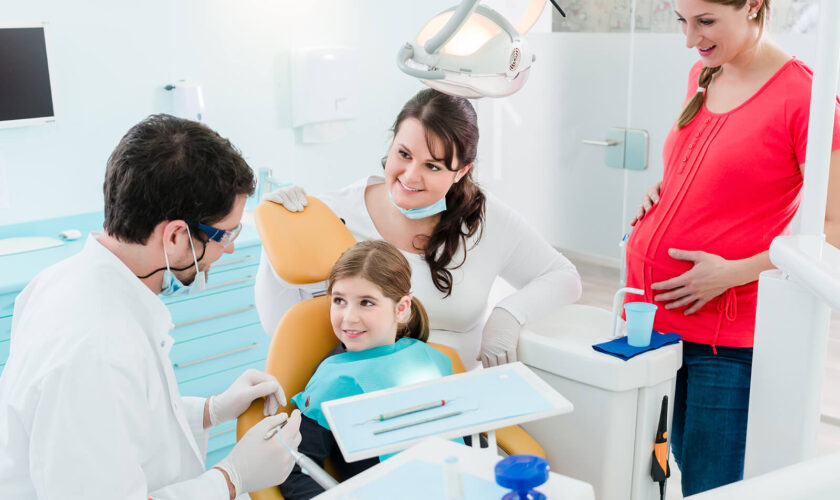
It may surprise you to learn that seeing a pediatric dentist (หมอฟันเด็ก, term in the Thai) is equally as crucial as seeing a primary care physician. Taking your child to pediatric dentist for a regular dental examination and teeth cleaning is a must, and it’s surprising that not many parents give importance to this. You might be asking why it’s necessary when children already have a lovely smile. The short answer is that your child’s dental health, both now and in the future, depends on the care and treatment made by a pediatric dentist (ทันตแพทย์เด็ก, term in Thai).

The following are some of the advantages you would get from having a dedicated pediatric dentist:

  • A routine teeth cleaning – Children, particularly young ones, may not be able to properly brush or let alone floss their teeth. In fact, even with the assistance of an adult, certain locations might be overlooked, which will eventually lead to plaque build up in these areas, tooth decay is more likely to occur. Plaque can create a haven for thousands of germs if it is not broken up. A cavity may eventually emerge as a result of this. A pediatric dentist will conduct a thorough cleaning twice a year to get rid of extra plaque and tartar in order to prevent this. It will also eliminate bacterial populations and lowers the possibility of tooth decay.
  • Oral treatments made easy – When going to the dentist, some kids could be more agreeable than others. Nonetheless, invasive procedures are something that all children and their parents wish to avoid. Frequent dental checkups guarantee that possible issues are identified early on, making treatment considerably simpler. For instance, filling a baby tooth instead of doing a root canal is way simpler to manage than tooth decay.
  • Prevents the possibility of experiencing anxiety during dental visit – Pediatric dentists possess specific expertise that enables them to provide younger patients with a favorable dental experience. After completing the necessary education, pediatric dentists are required to take further courses on child development and working with children who have unique needs. This enables them to effectively connect with kids in a way that kids can comprehend and react to. Younger patients won’t experience dental anxiety anymore. Thanks to pediatric dentists’ expertise, kind disposition, vibrant clinics and upbeat approach.
  • Pediatric dentists help children come up with good oral habits – Frequent trips to the dentist’s office will not only improve your child’s oral health, but they also educate them future dental behaviors. In order to give your child a favorable dental experience, dentists make every visit enjoyable and comfortable as possible. This teaches kids that caring for their teeth is one of the necessary aspects of life and keeps them from experiencing dental fear. As a result, they will keep up these habits to preserve their own dental health once they are adults. All that it takes to achieve good oral health is to form a healthy oral habit, and it all starts at a young age. Hence, explains the importance of having the best pediatric dentist in town.
read more
Dental

What is the role of relaxation techniques in modern dental care?

Relaxation methods cut anxiety that stops many folks from getting the dental treatments they need. Dental fear hits about 36% of people, causing them to skip appointments while their mouth health gets worse. Modern offices bring in stress-cutting ways, making visits easier for nervous patients. Best Invisalign Dentist in NYC clinics know that emotional comfort directly impacts whether people accept treatments and stick with practices.

Breathing exercise applications

Breathing right actually switches on the part of your nervous system that calms you down, which fights back against the freakout happening during dental work. Dentists teach you belly breathing, where your stomach puffs out when you breathe in, not your chest going up and down. Counting your breaths gives your brain something else to focus on instead of obsessing over whatever’s going on in your mouth. Breathe in for four counts, hold it four counts, breathe out four counts – that rhythm chills you out. Dental people watch for when you’re tensing up – tight fists, body going rigid – and they’ll remind you to take some deep breaths. Best part? You don’t need any equipment or training. Anyone can do this stuff, no matter how worked up they get about the dentist.

Progressive muscle relaxation

Squeezing and releasing muscle groups cuts overall body stress and jaw clenching during treatment:

  • Start with feet, tensing muscles for 5 seconds, then letting go
  • Move to calves, thighs, and butt, following the same pattern
  • Go through the stomach, chest, and back muscles
  • Hit shoulders, arms, and hands in order
  • Finish with the face and jaw muscles that get affected most

Guided audio walks patients through steps during longer appointments. Practising before dental visits trains your body to chill out on command when stress hits.

Visualization and imagery

Mental pictures take your mind away from the dental chair to peaceful, made-up places. Patients picture beaches, woods, or favourite vacation spots with tons of sensory detail. Describing imagined scenes in your head keeps focus, stopping anxiety from building during work. Some offices give VR headsets showing nature scenes or fun content. Wall screens show fish tanks, landscapes, or calm abstract patterns as visual things to watch. These distractions keep your mind busy, leaving less room for procedure stress reactions.

Music and sound therapy

Noise-blocking headphones shut out high-pitched drill sounds that set off strong, bad reactions in anxious patients. Patients pick music types they like, creating personal soundscapes during treatments. Classical tunes, nature sounds, or special beats push relaxation through what you hear. Volume lets patients still catch dentist instructions while muting equipment noises. Some offices play guided meditation audio made just for dental anxiety. Sound therapy really helps during work, where talking between the patient and the dentist is limited.

Aromatherapy integration

Smell molecules directly hit the brain parts controlling emotions and stress reactions. Lavender oil cuts anxiety and promotes relaxation when spread around treatment rooms. Peppermint smell boosts alertness, helping patients stay calm but awake during work. Citrus smells like orange and lemon make uplifting moods, cutting depression tied to dental anxiety. Oil picks avoid allergy smells, making sure all patients handle room scents. Gentle aromatherapy improves the environment without overwhelming senses or pulling attention from clinical care.

Relaxation tricks transform dental experiences for anxious patients through breathing work, muscle relaxation, mental pictures, music therapy, and scents. These ways tackle mental blocks that stop people from maintaining mouth health through regular visits. Dentists bringing in stress-cutting stuff see better patient cooperation, treatment acceptance, and practice loyalty. Comfortable patients finish needed care instead of avoiding appointments until emergencies pop up.

read more
Dental

How to care for your veneers to ensure a beautiful smile for years

Veneers or a facade are your warrant to an unimpaired, eye-catching smile – but maintaining them picture-perfect takes more than just a glimpse in the mirror. Genuine care makes sure your veneers remain bright and enduring, saving you time and money, which is why visiting a trusted dentist near me is essential for long-term maintenance. Prepared to know the secrets to keep your dream smile? Let’s explore uncomplicated, yet successful, methods to keep your veneers looking remarkable.

What are facades, and how do they enhance your smile?

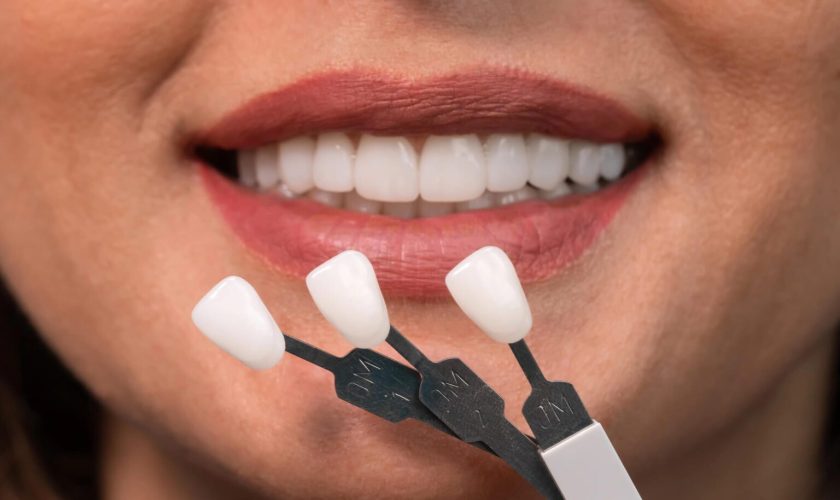
Veneers are exquisite but long-lasting shells of porcelain or compound resin customized to shield the front surface of teeth for a perfect end. They are customized to fit flawlessly, mixing naturally with your current teeth. 

Advantages of veneers. 

Visually pleasing enhancement. Veneers offer a shiny, similar look, covering up imperfections like fragments, splits, or discoloration. 

Blemish opposition. Unlike a real tooth, a porcelain facade opposes blemish from tea, coffee, wine, and other common culprits. 

Stable and enduring. When bothered rightly, veneers can stay whole for more than 10 years, proving to be a valuable investment. 

Most patients prefer facade to attain a shining smile quickly and successfully. The real finish and stability make them a top priority for anyone searching to improve their look. 

The significance of actual veneer care. 

Caring for the facade is not just about maintaining its appearance; it’s about ensuring its integrity and ensuring dental health remains optimal. Ignoring them can lead to unwanted damage, lowering their lifespan. 

Why protection matters. 

Safeguard stretch. A facade can last for ten to fifteen years with good preservation, saving you the need for frequent renewal. 

Maintains glow. Genuine care keeps veneers looking vibrant and shiny. 

Stops issues. Neglecting care routines can lead to periodontal disease (gum problems) or harm to the primary teeth.

Believe in veneer care as an addition to your overall dental health. A little attempt goes a long way in safeguarding your smile. 

Every day, practice to preserve your veneers. 

Good daily practice creates the backbone of veneer preservation. Backing a compatible dental hygiene practice makes sure that your veneers remain in a pristine state. 

Key routine for everyday care. 

Brush two times a day. Utilize a gentle bristle toothbrush to safeguard scrape on the veneers from scraping. Mild toothpaste is a must to maintain its gentle finish. 

Cleanse regularly. Softly cleanse between veneers and realistic teeth to take out plaque. Wash out with alcohol-free mouthrinse: this helps keep your mouth crisp without weakening the sticky connection holding your veneers. 

Foods and drinks to enjoy or stay away from. 

You can enjoy having gentle, bumpy fruits and veggies that are smooth on your teeth. Milk products like cheese and milk help develop dental health. Non-adhesive foods that don’t grip the veneer’s bottom. You can avoid dark drinks like tea, coffee, and wine because they can blemish your veneers. Then chocolates that are hard, ice, and nuts that may damage or crack your veneer substance. Along with this, stay away from acidic things and citrus fruits. 

read more
Dental

Dental Veneers: Everything You Need to Know Before Visiting a Dental Clinic in Dubai

Dental

Dental Veneers are a popular cosmetic option for improving the appearance of teeth, especially for those seeking a brighter, more uniform smile. This article explains how veneers work, the different types available, the treatment steps, and what patients can expect when visiting a dental clinic in dubai for veneer consultation or treatment.

What Are Dental Veneers?

Dental Veneers are thin, custom-made shells placed on the front surface of teeth to enhance aesthetics. They help correct concerns such as discoloration, cracks, chips, gaps, or minor tooth misalignment. Because veneers blend naturally with existing teeth, they are widely chosen for smile enhancement.

Types of Dental Veneers

Patients visiting a dental clinic in dubai typically choose from:

1. Porcelain Veneers

  • Known for durability and natural-looking results
  • Stain-resistant
  • Often last many years with proper care

2. Composite Veneers

  • Made of resin material
  • More affordable
  • Can often be completed in a single appointment

3. No-Prep or Minimal-Prep Veneers

  • Require little to no tooth reduction
  • Suitable for select cases

Your dentist will help determine which veneer type is ideal based on your goals, tooth health, and budget.

Why People Choose Dental Veneers

Dental Veneers offer several benefits:

  • Improve tooth color
  • Correct uneven or chipped teeth
  • Reduce gaps and minor alignment issues
  • Provide natural-looking smile enhancement
  • Boost confidence without invasive surgery

Their versatility makes them a widely used cosmetic solution.

How the Veneer Procedure Works

The process at a dental clinic in dubai typically includes:

1. Initial Consultation

Assessment of oral health, discussion of aesthetic goals, and taking digital scans or impressions.

2. Tooth Preparation

A thin layer of enamel is removed to ensure the veneer fits naturally.

3. Temporary Veneers (If Needed)

Temporary covers may be placed while custom veneers are being created.

4. Veneer Placement

The dentist bonds the custom-made Dental Veneers to the teeth and checks fit, shape, and bite alignment.

Caring for Your Dental Veneers

Proper care helps maintain the longevity and appearance of veneers:

  • Brush twice daily using a soft-bristle brush
  • Avoid biting hard objects
  • Visit your dental clinic in dubai regularly for check-ups
  • Limit staining foods and beverages
  • Wear a night guard if you grind your teeth

With consistent care, Dental Veneers can last many years.

Are You a Good Candidate?

You may be a suitable candidate for Dental Veneers if you:

  • Have healthy gums and teeth
  • Want to correct surface-level aesthetic concerns
  • Prefer a minimally invasive cosmetic option
  • Are looking for long-term smile enhancement

A consultation helps confirm eligibility and determine the best veneer type for your goals.

Conclusion

Dental Veneers provide a reliable and effective way to transform the appearance of your smile. Whether you’re addressing discoloration, chips, or gaps, veneers offer natural and long-lasting aesthetic results. Visiting a qualified dental clinic in dubai ensures proper evaluation, precise treatment planning, and a smooth experience from consultation to final placement.

read more
Dental

How Family History Affects Your Teeth

Understanding family dental history plays a crucial role in oral health. Genetic factors can affect the health of your teeth and gums. By knowing your family’s dental past, you can prevent issues before they start. For instance, if your parents faced gum disease, you might be at risk too. This knowledge allows for tailored preventive measures. Dentists can create a plan that suits your unique needs. It’s like learning from history to shape a healthier future. In places like dental care in Philadelphia, practitioners often use family history to guide treatments. They can predict potential issues and recommend specific care routines. This proactive approach helps maintain overall oral health. It’s not just about fixing problems but about preventing them. Start by asking your family about their dental experiences. Share this information with your dentist. Together, you can ensure a lifetime of healthier smiles. This simple step can make a big difference.

Why Family Dental History Matters

Family dental history gives insight into potential hereditary conditions. Genetics can influence susceptibility to cavities, gum disease, and even oral cancers. By understanding these risks, we can take steps to mitigate them. For instance, if there’s a family trend of weak enamel, extra fluoride treatments might be beneficial. Knowing these patterns helps in making informed decisions about dental care, something a dentist in Quogue, NY can guide you through effectively.

Common Genetic Dental Issues

Several dental conditions can run in families. Here are three common issues:

  • Cavities: Some people are predisposed to cavities due to the shape and alignment of their teeth.
  • Gum Disease: A family history of periodontitis increases your risk of developing it.
  • Misaligned Teeth: Genetic factors often influence the alignment and spacing of teeth.

Each of these conditions can be managed better with knowledge of family history. Regular dental checkups and early interventions can help keep these issues in check.

Using Family Dental History

Sharing family dental history with your dentist is crucial. It allows them to customize your care plan effectively. Here’s how it benefits your oral health:

  • Preventive Measures: Dentists can suggest specific treatments to prevent hereditary issues.
  • Personalized Care: A tailored approach ensures that you get the care you need based on your genetic predispositions.
  • Early Detection: Understanding risks enables early identification and treatment of potential problems.

To collect your family’s dental history, start by discussing dental health with parents, siblings, and even grandparents. Pay attention to common issues and treatments they have experienced.

Comparing Dental Health Influences

Factor Impact on Dental Health
Genetics Influences susceptibility to certain dental conditions.
Diet Affects tooth decay and gum health.
Oral Hygiene Essential in preventing plaque and cavities.

While genetics play a significant role, diet and hygiene are also crucial. They can enhance or mitigate genetic predispositions. A balanced approach ensures optimal oral health.

The Role of Dentists

Dentists play a key role in interpreting family dental history. They can use this information to offer the best care possible. For example, if a family member has oral cancer, a dentist might recommend regular screenings. This proactive care can significantly impact long-term health.

Consulting resources like the National Institute of Dental and Craniofacial Research can also help understand genetic impacts on dental health. Staying informed empowers you and your dentist to make the best decisions for your oral care.

Conclusion

Family dental history is a valuable tool in maintaining oral health. It guides preventive measures and personalizes dental care. By understanding your genetic predispositions, you can work with your dentist to prevent issues before they arise. This collaboration ensures healthier teeth and gums for a lifetime. Start by gathering family dental information and sharing it with your healthcare provider. This simple yet vital step could lead to a lifetime of healthier smiles.

read more
DentalHealth

Root Canal Advantages You Should Know

Compared to having a natural tooth extracted, getting a root canal typically results in a smoother and less stressful recovery. Thanks to modern techniques and advanced anesthetics, most patients describe root canal therapy as virtually painless—often more comfortable than a tooth extraction. An experienced Aurora general dentist can perform the procedure efficiently, preserving your natural tooth while ensuring a quick and comfortable healing process.

The infected or inflammatory pulp is extracted during a root canal, then the interior of the tooth is carefully cleaned and sanitized. The space left behind is then filled with gutta-percha and fixed. A filling is placed on the teeth afterward to safeguard them and ensure that it continues to operate as other teeth do. One can consult Manhattan, NY dentist to get it done.

The Benefits of Root Canal Treatment

An astounding 95% of root canal treatments are successful, and as a result, there are several advantages to receiving this type of therapy. The great news would be that root canal therapy is among the finest methods to preserve a tooth that’s also showing indications of requiring one and let it endure for a lifetime when such signals first appear. A few more advantages of the therapy are listed below:

  • Illness is stopped in its tracks because if a tooth gets contaminated and it’s not treated correctly, the infection might spread to certain other teeth as well. Infection risk in neighboring teeth is reduced by root canal therapy because it treats the infection at its source.
  • Saves teeth rather than replacing them – Unlike some alternative treatments for treating dental infections, which require entirely removing teeth, a root canal tries to maintain your natural tooth in situ for the long term.
  • Aesthetically acceptable results – The outcomes of other endodontic procedures might not be as satisfying to the eye as those of a root canal procedure. There is no reason to be concerned about aesthetics or look following a root canal since it preserves your natural teeth.

Conclusion

For people wishing to maintain a healthy smile, root canal treatment is useful. It gives off a natural appearance, and it may even aid to safeguard your teeth and avoid the requirement for more complicated treatments. Therefore, while treating dental cavities or infections, root canal therapy must be taken into account as a possibility. To find out if root canal therapy is the right course of action for you, you should speak with your dentist.

read more
Dental

Finding the Right Dentist for Family

Choosing the right general dentist for your family is an important decision. A good dentist ensures you and your loved ones maintain healthy smiles and comfort. When looking for a San Francisco downtown dentist, consider a few key factors. First, check their qualifications. A well-trained dentist provides the assurance of quality care. Next, evaluate their experience with families. Dentists who regularly treat children and adults can adapt to varying needs. Finally, consider the office atmosphere. A welcoming environment can ease any dental anxiety. These simple steps can lead you to the best dental care tailored to your family’s needs.

Importance of Credentials

When selecting a dentist, the first thing to examine is their credentials. A competent dentist possesses a degree from an accredited dental school, complemented by a state license. These qualifications ensure they have the necessary training to provide comprehensive care. Additionally, membership in professional organizations, like the American Dental Association, shows their commitment to ongoing education and high standards of practice. For patients seeking a natural and whole-body approach to oral care, exploring holistic dentistry in Spring, TX can be an excellent option for safer, biocompatible treatments aligned with overall wellness.

Experience with Families

Choosing a dentist experienced in treating families is beneficial. Such dentists understand the unique needs of both children and adults. They can offer age-appropriate care and advice. A family-oriented dentist usually has a welcoming demeanor, making dental visits more enjoyable for everyone. Ask potential dentists about their experience with family care to gauge their expertise.

Evaluating Office Atmosphere

The environment of a dental office plays a crucial role in patient comfort. A welcoming and clean clinic helps ease anxiety, especially for children. Look for an office with friendly staff and a child-friendly waiting area. Some practices also offer amenities like TVs or soothing music to make visits more pleasant. Visit potential offices to get a feel for the atmosphere before making a decision.

Services Offered

It’s essential to know the range of services a dentist offers. A good family dentist provides routine check-ups, cleanings, and preventive care. They should also handle common dental procedures like fillings and extractions. Some practices might offer specialized services, such as orthodontics or cosmetic dentistry. Understanding these offerings ensures your family’s needs are met under one roof.

Location and Accessibility

Consider the location of the dentist’s office. Proximity to your home or workplace is convenient and saves time. Check if the practice is accessible by public transport or has ample parking. Accessibility is especially crucial for families with young children or elderly members. An easily reachable location encourages regular visits, which is vital for maintaining oral health.

Flexible Hours and Emergency Care

Family schedules can be hectic, making flexible office hours beneficial. Look for a dentist who offers evening or weekend appointments. This flexibility accommodates school and work commitments. Additionally, inquire about their emergency care policy. Knowing you have access to urgent care provides peace of mind in unexpected situations.

Costs and Insurance

Understanding the costs involved with dental care is important. Inquire about the dentist’s fees for standard procedures and any available payment plans. Additionally, check if they accept your dental insurance. This information helps in budgeting for dental care without unexpected expenses. The National Institute of Dental and Craniofacial Research provides resources on understanding dental insurance.

Patient Reviews and Recommendations

Reading reviews from other patients can offer insights into a dentist’s practice. Look for feedback on the dentist’s skills, office environment, and staff professionalism. Patient testimonials can highlight strengths and potential areas of concern. Additionally, personal recommendations from friends or family can be valuable when making a choice.

Comparison Table of Key Factors

Factor Considerations
Credentials Accredited degree, state license, professional memberships
Family Experience Experience treating children and adults with, family-friendly approach
Office Atmosphere Cleanliness, child-friendly, welcoming staff
Services range of dental services, including specialized care
Location Proximity, accessibility, parking availability
Hours and Emergency Care Flexible scheduling, emergency care options
Cost Fee structure, insurance acceptance, payment plans

Choosing the right dentist for your family involves careful consideration of several factors. Prioritize qualifications, experience, and office environment to ensure comfort and quality care. By following these guidelines, you set your family on the path to maintaining healthy smiles for years to come.

read more
Dental

Your First Trip to the Dentist Explained

Visiting a dentist can feel daunting, especially if it’s your first time. Understanding what to expect helps ease those jitters. A downtown New York dentist can offer a welcoming environment to ensure your experience is pleasant. During your initial visit, the dentist will first gather your health history. This step is crucial for tailoring the check-up to your specific needs. Next, expect a thorough examination of your teeth and gums. This examination helps in spotting any signs of cavities or gum issues. Often, X-rays are taken to get a clearer view of your dental health. These X-rays help in identifying problems not visible during the physical exam. Finally, the dentist will discuss any findings and suggest the next steps. This might include routine cleanings or specific treatments if needed. Remember, routine care is more effective after treatment, setting you on the path to a healthy smile.

The Importance of a Dental Visit

Regular dental visits are essential for maintaining healthy teeth and gums. They play a critical role in preventing oral diseases. The Centers for Disease Control and Prevention (CDC) highlights the importance of dental care in preventing cavities and other oral issues. By visiting the dentist regularly, you can catch potential problems early and avoid more extensive treatments later. Oral health is closely linked to overall health, impacting conditions like diabetes and heart disease. Keeping your mouth healthy contributes to your overall well-being.

What Happens During a Dental Exam?

Your first dental visit will typically involve several steps to ensure a comprehensive evaluation of your oral health. Here’s a breakdown of what you can expect during the examination:

  • Health History Review: Before examining your teeth, the dentist will review your medical history. This information helps in understanding any existing conditions that might affect your oral health.
  • Physical Examination: The dentist will check each tooth and your gums closely. This examination helps in identifying any signs of decay, gum infection, or other issues.
  • X-rays: X-rays are a vital tool in dental diagnostics. They help in spotting problems not visible during the physical exam, such as cavities between teeth and issues below the gum line.
  • Discussion of Findings: After examining your mouth and reviewing your X-rays, the dentist will discuss their findings with you. This discussion covers both current oral health and preventive measures to maintain it.

Common Procedures and Treatments

Depending on the findings during your exam, the dentist may suggest several common procedures or treatments. Here’s a quick overview of what these might involve:

Procedure Purpose
Cleaning Removes plaque and tartar buildup to prevent cavities and gum disease.
Fluoride Treatment Strengthens enamel to guard against decay.
Sealant Application Protects the grooves of molars from decay.
Fillings Restores teeth damaged by cavities.

Tips for a Successful Dental Visit

To get the most out of your dental visit, consider these helpful tips:

  • Arrive 10-15 minutes early to complete any necessary paperwork.
  • Bring a list of any medications you are currently taking.
  • Prepare questions you may have for the dentist about your oral health.
  • Be open and honest about your dental habits and concerns.

Conclusion

Taking the first step to visit a dentist is crucial for maintaining good oral health. By understanding what to expect, you can approach the experience with confidence and calm. A dentist can guide you through each step of the process, creating a path toward a healthier smile. Remember, regular dental care can prevent many issues and keep your smile bright for years to come. The U.S. Department of Health & Human Services also emphasizes the importance of routine dental visits in supporting overall health. Embrace these visits as an opportunity to learn more about your oral health and ensure lifelong dental wellness with the help of a Moline, IL dentist.

read more
Dental

How a Cosmetic Dentist Helps Family Oral Health

Maintaining oral health is essential for the whole family. A trusted cosmetic dentist plays a key role in this journey. Many people think of cosmetic dentistry as purely aesthetic, but it directly impacts overall health. We all need regular check-ups and cleanings. These visits prevent issues before they arise. A Kirtland dental office can offer more than just cosmetic treatments. They provide comprehensive services tailored to each family member’s needs. From children to seniors, everyone benefits from personalized care. It’s important to form a strong relationship with a dental professional. This relationship fosters trust and ensures consistent care. A trusted cosmetic dentist keeps smiles bright and gums healthy. They also help boost confidence and self-esteem. Choosing the right dental office involves considering experience, services, and patient reviews. A healthy mouth leads to a healthy body. A family’s commitment to oral care starts with choosing the right dentist.

The Importance of Preventive Care

Preventive care is a cornerstone of oral health. Regular dental visits help identify potential issues early. A cosmetic dentist offers both routine and specialized care. This dual approach ensures that each family member receives the attention they need. Cleanings, X-rays, and fluoride treatments are standard preventive measures. These services help avoid cavities, gum disease, and other dental problems. By prioritizing preventive care, families can maintain healthy teeth and gums for life with the support of cosmetic dentistry in Santa Rosa.

Benefits of Cosmetic Dentistry for Families

Cosmetic dentistry is not just about enhancing appearance. It also addresses functional issues. Procedures like teeth whitening, veneers, and bonding can improve both aesthetics and oral health. A bright smile boosts confidence in social and professional settings. Moreover, correcting misalignments or gaps can improve chewing and speaking. Investing in cosmetic dental care is an investment in overall well-being.

Choosing the Right Dental Office

Selecting the right dental office is crucial. Families should consider a few key factors during the decision-making process:

  • Experience and qualification of the dental team
  • A range of services offered
  • Patient reviews and testimonials

trusted source like the American Dental Association suggests that finding a reliable dentist ensures consistent and high-quality care. This consistency is important to maintain long-term oral health.

Understanding the Services Offered

Comprehensive dental offices provide a variety of services. These services cater to the unique needs of each family member. The following table illustrates common services and their benefits:

Service Benefit
Cleanings Prevents cavities and gum disease
X-rays Identifies hidden dental issues
Teeth Whitening Enhances smile brightness
Orthodontics Corrects misalignment and improves function
Veneers Improves tooth appearance and structure

The Role of Technology in Modern Dentistry

Modern dental offices utilize advanced technology. This innovation leads to more accurate diagnoses and effective treatments. Digital X-rays, for example, provide detailed images with minimal radiation exposure. Intraoral cameras allow dentists to show patients real-time images of their teeth. These tools enhance the patient experience and improve outcomes.

Building Trust with Your Dentist

Building a strong relationship with your dentist is essential. Trust encourages open communication. Patients feel more comfortable sharing their concerns and preferences. A trusted dentist listens, informs, and involves patients in their care decisions. This collaborative approach leads to better health outcomes and a more satisfying experience.

Conclusion: A Path to Lasting Oral Health

Oral health is a vital component of overall well-being. A trusted cosmetic dentist helps families maintain healthy, beautiful smiles. By understanding the importance of preventive care and choosing the right dental office, families can enjoy lasting oral health. Remember, a commitment to regular dental visits and open communication with your dentist will pave the way to a lifetime of confident smiles.

read more
Dental

Finding the Best General Dentist for Families

Choosing the right general dentist for your family’s needs is crucial for maintaining good oral health. A general dentist does more than just clean teeth. They provide comprehensive care that includes routine check-ups, preventive treatments, and basic restorative services. But what should you look for when picking the right one? Consider the dentist’s qualifications, experience, and the range of services offered. It’s also important to find a dentist who can address specific needs, such as an emergency dentist northwest Houston, if you are in that area. Location and office hours matter, too, especially for busy schedules. A welcoming environment and friendly staff can make visits more pleasant. Lastly, check if the dentist accepts your insurance or offers flexible payment plans. These factors ensure that every visit is smooth and stress-free. With the right dentist, you and your family can enjoy healthy smiles for years to come.

Understanding General Dentistry

General dentistry covers a wide range of services that cater to the oral health needs of people of all ages. These services include cleanings, fillings, and preventive education. Dentists also provide treatment for cavities, gum disease, and offer advice on maintaining oral hygiene at home. According to the American Dental Association, routine dental visits are essential for catching issues early. This helps in maintaining dental health and avoiding more complex procedures down the line.

Key Factors to Consider

When choosing a dentist, it’s important to evaluate several factors. Here’s a quick guide on what to consider:

  • Qualifications and Experience: Check if the dentist has the necessary education and years of practice. A dentist with a solid background is more likely to provide high-quality care.
  • Services Offered: Ensure the dentist offers the services your family needs, such as pediatric care, orthodontics, and emergency services.
  • Office Atmosphere: A friendly, welcoming office can make visits more enjoyable for you and your children.
  • Location and Accessibility: Choose a dentist whose office is easy to reach, with convenient hours that fit your schedule.
  • Insurance and Payment Options: Verify if they accept your insurance and offer payment plans to make treatments affordable.

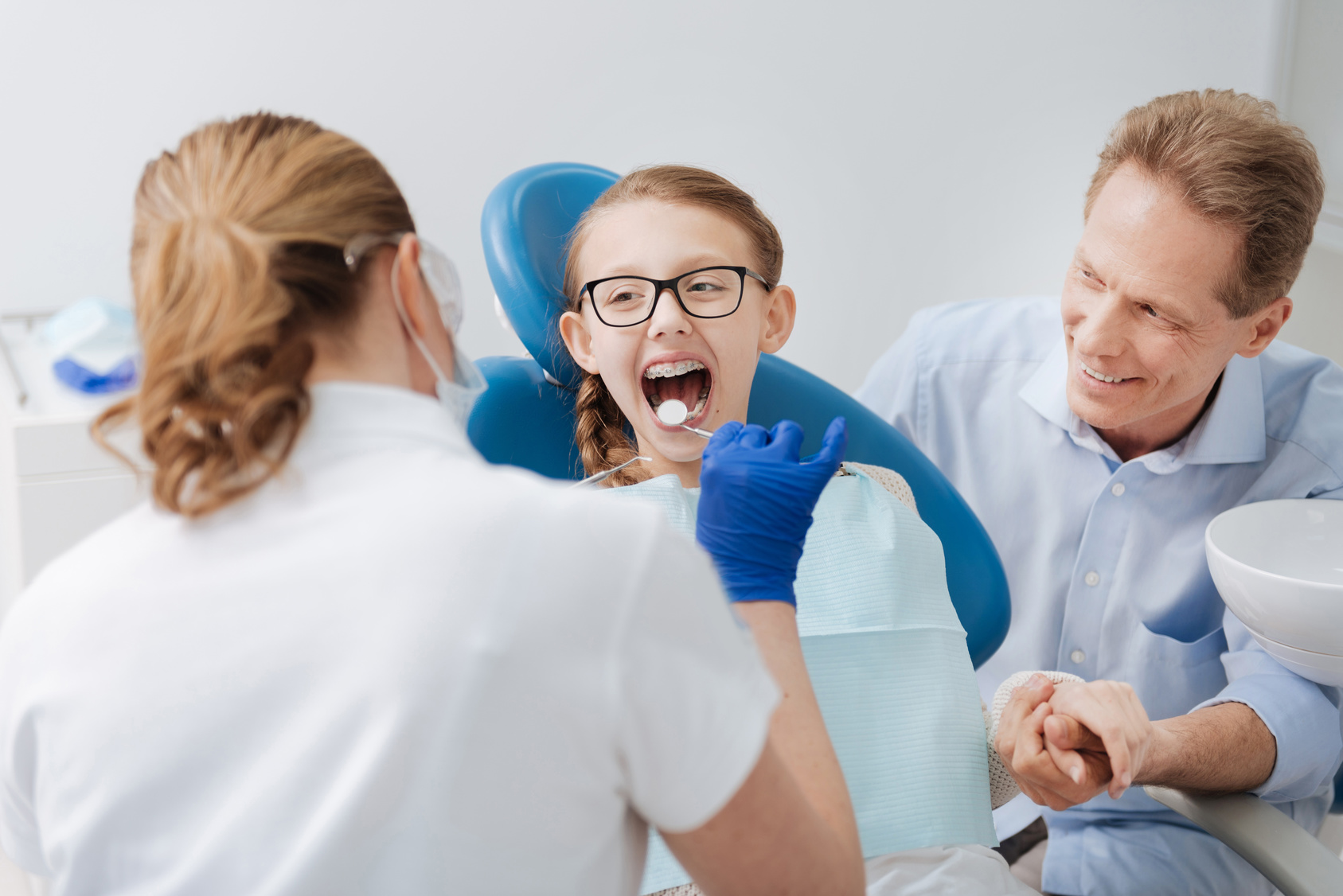
Parental support. Energetic bright teenage lady sitting in the chair while the doctor checking her teeth and the father holding her hand

Comparing Dentists: A Simple Table

Here’s a comparison table to help in evaluating potential dentists:

Criteria Dentist A Dentist B Dentist C
Qualifications and Experience 15 years, DDS 10 years, DMD 20 years, DDS
Services Offered General, Pediatric General, Orthodontics General, Emergency
Office Atmosphere Welcoming Professional Family-friendly
Location Near school Downtown Suburban
Insurance Accepted Yes No Yes

The Importance of Routine Visits

Routine dental visits are a cornerstone of oral health. They allow dentists to detect potential problems early and provide timely treatment. The Centers for Disease Control and Prevention emphasizes regular check-ups for preventing cavities and gum disease. These visits help build a positive relationship between your family and the dentist, making future visits easier and more comfortable.

Conclusion

Choosing the right dentist for your family involves careful consideration of various factors. By evaluating qualifications, services, and office environment, you can make a well-informed decision. Remember that routine care is essential for maintaining oral health and preventing more serious issues. With a trusted dentist by your side, your family can look forward to healthier smiles and a stronger commitment to dental hygiene. Taking the time now to find the right fit will pay off in the long run, ensuring peace of mind and happy, healthy visits with a reliable dentist in Hackensack NJ.

read more
1 2 3 10
Page 1 of 10