

close

Dental

Dental

How to Choose the Right General Dentist for Your Family

Choosing the right general dentist for your family is crucial for long-term oral health. Finding a dentist who meets your family’s needs can seem overwhelming, but it doesn’t have to be. Start by considering three key aspects: location, experience, and comfort. Proximity is important—look for someone nearby, like Lansing dentists, to make appointments more convenient. Next, examine the dentist’s experience and qualifications. A dentist with a solid background and up-to-date skills can provide better care. Lastly, consider the comfort level of your family members. A welcoming environment and a dentist who communicates well can make dental visits a positive experience for everyone. By focusing on these factors, you can find a dentist who not only maintains your family’s oral health but also creates a trusted, lasting relationship. This approach ensures that routine care is more effective after treatment and helps prevent future dental issues.

Understanding Your Family’s Needs

Every family is unique, with different dental needs. Assess what your family requires. Some families need frequent orthodontic check-ups, while others focus on basic preventive care. Understanding these needs helps narrow down your choices. A dentist offering a wide range of services can cater to all ages, from toddlers to adults.

Researching Credentials and Experience

It’s important to check the dentist’s credentials. Confirm that the dentist is licensed in your state. You can verify this through your state’s dental board. Experienced dentists often provide higher-quality care. They are more likely to have encountered a broader range of dental issues and know the latest treatment methods. Consider looking into whether they participate in continuing education courses. This indicates that they stay informed about advancements in dental care.

Evaluating Office Atmosphere and Staff

The atmosphere of a dental office can heavily influence your experience. During your initial visit, observe the cleanliness of the office and the friendliness of the staff. A supportive team enhances the overall environment, making patients feel at ease. The office should also cater to children if you have young family members.

Assessing Available Services

Ensure the dentist offers the services your family needs. Some common services include:

  • Preventive care (cleanings, exams)
  • Restorative services (fillings, crowns)
  • Orthodontics (braces, retainers)
  • Cosmetic dentistry (whitening, veneers)

A dentist providing a full range of services saves you time and simplifies care coordination for your family.

Considering Insurance and Payment Options

Check if the dentist accepts your insurance plan. Understanding what your insurance covers helps avoid unexpected costs. Discuss payment options for services not covered by insurance. Some offices offer payment plans, making dental care more affordable.

Reading Reviews and Testimonials

Online reviews can provide insight into the experiences of other patients. Look for patterns in reviews to gauge the dentist’s strengths and weaknesses. Testimonials can highlight the quality of care and patient satisfaction. Be cautious of overly negative or positive reviews, and look for balanced feedback.

Scheduling a Consultation

A consultation offers a chance to meet the dentist and ask questions. Prepare a list of questions about their experience, approach to dental care, and specific services. This meeting allows you to assess the dentist’s communication style and whether it align with your expectations.

Using a Comparison Table

Here’s a simple comparison table to help organize your dentist options:

Criteria Dentist A Dentist B Dentist C
Location 5 miles away 10 miles away 15 miles away
Experience 10 years 15 years 5 years
Services Offered Full range Basic care Orthodontics
Insurance Accepted Yes No Yes

Making an Informed Decision

With all this information, you can make a well-informed choice. Choosing the right general dentist ensures quality care and a pleasant experience for your entire family. Regular visits to a trusted dentist contribute to better oral health and well-being.
read more
Dental

Understanding Family Dental Plans: What You Need to Know

Navigating family dental plans can feel overwhelming, but understanding them is essential for maintaining oral health. These plans cover treatments ranging from routine check-ups to orthodontics. They often include preventive services, which are crucial for avoiding costly procedures later. Knowing what’s covered and what isn’t helps in choosing the right plan for your family. Many plans offer flexibility, allowing family members to receive personalized care. Coverage may extend beyond routine cleanings to services like teeth whitening in Pacific Beach. This can save families money while ensuring everyone has a bright smile. It’s important to review the network of available providers, as this can affect convenience and cost. Family dental plans often have a variety of payment options. This flexibility can help manage expenses effectively. By understanding these key points, families can make informed decisions about their dental care, ensuring both health and financial well-being.

Types of Family Dental Plans

Family dental plans typically fall into three categories: Preferred Provider Organizations (PPO), Health Maintenance Organizations (HMO), and Discount Dental Plans. Each type offers distinct benefits and limitations.

  • PPO Plans: These plans provide a network of dentists who offer services at discounted rates. You can see any dentist, but staying within the network saves more money.
  • HMO Plans: These require you to select a primary care dentist and use providers within the network. Out-of-network services are usually not covered.
  • Discount Dental Plans: These are membership-based plans where families pay a fee to access reduced rates from participating dentists. They usually don’t cover procedures but provide significant discounts.

Key Features to Compare

When selecting a family dental plan, consider the following features:

Feature PPO HMO Discount Plan
Network Flexibility High Low Moderate
Premium Costs Higher Lower Lowest
Service Discounts Varied Standardized Consistent
Specialist Referrals Not Required Required Not Applicable

Understanding Coverage Levels

Family dental plans often categorize coverage into three levels:

  1. Preventive Care: Includes routine exams, cleanings, and X-rays. Most plans cover preventive care at 100%.
  2. Basic Procedures: Covers fillings, extractions, and some root canals. Plans usually cover a percentage, requiring you to pay the rest.
  3. Major Procedures: Includes crowns, bridges, and orthodontic work. These typically have the lowest coverage percentages.

Evaluating these coverage levels helps in estimating out-of-pocket expenses. A thorough examination of what each plan covers at each level is vital.

Evaluating Provider Networks

The accessibility of providers can impact the convenience and cost of care. Evaluating the size and quality of a plan’s network is crucial. A broad network provides more options, while a narrow one may limit choices. It’s wise to check if your preferred dentist is in the network. The Centers for Medicare & Medicaid Services provides resources for understanding provider networks.

Financial Considerations

Family dental plans come with various financial components. It’s important to understand:

  • Premiums: The monthly cost of maintaining the plan.
  • Deductibles: The amount paid out-of-pocket before the plan covers services.
  • Co-payments: The fixed fee paid for specific services.

Balancing these elements is key to finding an affordable plan. A higher premium often means lower out-of-pocket costs and vice versa.

Conclusion

Choosing a family dental plan requires careful consideration of multiple factors. By understanding the types of plans, comparing key features, and evaluating coverage levels, families can make informed decisions. Ensuring that the plan aligns with your financial situation and health needs is crucial. Resources like HealthCare.gov offer valuable insights into dental coverage options. A well-chosen plan can provide peace of mind and ensure that your family’s dental care remains effective and affordable.

read more
Dental

Exploring the Latest Technologies in General Dentistry Practices

Dentistry has come a long way with the introduction of new technologies. These advancements aim to improve patient care and streamline dental procedures. In today’s blog, we explore some of the latest technologies in general dentistry practices. From digital imaging to laser treatments, these tools are reshaping the way dentists approach oral health. For example, digital X-rays offer clearer images with less radiation. Laser technology allows for precise and less painful procedures. Another significant advancement is 3D printing, which is revolutionizing dental prosthetics like crowns and bridges. In places like full arch restoration Charlotte NC, these cutting-edge technologies are already in use, providing patients with faster and more effective treatments. Staying updated on these innovations helps ensure that dental practices can offer the best care. Understanding these technologies equips both dentists and patients with the knowledge needed for better dental health outcomes.

Digital Imaging

Digital imaging is one of the most significant steps forward in dentistry. It replaces traditional film X-rays with digital versions that offer several benefits. The images are instantly available, which reduces waiting times. They can be enhanced on a computer, allowing for more accurate diagnoses. Patients are also exposed to less radiation compared to conventional methods. Digital images can be easily stored and shared if referrals or second opinions are necessary. According to the National Institute of Dental and Craniofacial Research, digital imaging is now a standard in many dental practices, ensuring accurate and safe diagnostics.

Laser Dentistry

Laser technology in dentistry is another exciting development. It allows dentists to perform procedures with greater precision and less discomfort. Lasers can be used for a variety of treatments, from removing tooth decay to reshaping gums. They also reduce the need for sutures and minimize bleeding and swelling during soft tissue treatments. As described by the U.S. Food and Drug Administration, laser dentistry can even reduce anxiety in patients who are uncomfortable with traditional drills. This makes the dental visit a more pleasant experience for many people.

3D Printing

The introduction of 3D printing has opened new possibilities in dental care. It allows for the precise creation of dental prosthetics like crowns, bridges, and even dentures. This technology enables faster turnaround times and reduces the need for multiple fittings. 3D printing also ensures that these prosthetics fit perfectly, offering better comfort and functionality. In the context of full arch restoration, this technology can significantly improve outcomes by providing custom solutions tailored to individual needs.

Comparison of Dental Technologies

Technology Benefits Applications
Digital Imaging Clearer images, less radiation, instant results Diagnostics, treatment planning
Laser Dentistry Precision, reduced discomfort, quicker recovery Decay removal, gum reshaping, soft tissue procedures
3D Printing Custom fit, fast production, improved comfort Crowns, bridges, dentures

Future Trends and Considerations

As technology continues to evolve, the future of dentistry looks promising. Artificial intelligence is starting to play a role in diagnostics and treatment planning. AI can analyze patterns in patient data to predict outcomes and suggest treatment options. Additionally, teledentistry is becoming more prevalent, allowing patients to consult with dentists remotely. This is particularly useful for initial consultations or follow-up discussions.

While these technologies offer many benefits, it is essential to consider their implementation costs. Dentists need to invest in new equipment and training. However, the long-term savings and improved patient satisfaction often justify these investments. The ongoing research and development in dental technology promise even more innovations that will continue to transform how dental care is delivered.

Conclusion

New technologies in dentistry are changing the landscape of oral health care. As we have explored, advancements like digital imaging, laser treatments, and 3D printing enhance both the patient experience and treatment outcomes. These innovations make procedures more efficient, comfortable, and precise. By embracing these technologies, dental practices can provide top-tier care and maintain their commitment to patient well-being. Staying informed about these advancements is crucial for both dental professionals and patients, ensuring that everyone can benefit from the latest improvements in dental science.

read more
Dental

Common Myths About General and Cosmetic Dentistry Debunked

Many misconceptions surround general and cosmetic dentistry, causing unnecessary worry. These myths often lead to confusion about treatment options and their effectiveness. Understanding the truth can help ease concerns and promote informed decisions. For instance, some believe professional teeth whitening harms enamel. In reality, when done correctly, it is safe and effective. Another common myth is that cosmetic dentistry is only about appearance. However, it often improves both function and health. At a dental practice in Fontana, experts emphasize patient education and personalized care. They strive to dispel these myths by providing accurate information and quality treatments. Patients can benefit from understanding that routine care is more effective after treatment. By debunking these myths, dentists aim to foster trust and improve overall dental health. Taking care of our teeth involves more than just aesthetics—it’s an essential part of maintaining our overall well-being.

Myth 1: Teeth Whitening is Harmful

One of the most common beliefs is that teeth whitening damages the enamel. This is not true when the procedure is performed by a professional. The American Dental Association confirms that whitening is safe and effective under professional supervision. The key lies in using the right products and techniques. Over-the-counter products can sometimes lead to sensitivity or gum irritation due to misuse. However, professional whitening treatments ensure that teeth and gums are protected throughout the process.

Myth 2: Cosmetic Dentistry is Only for Aesthetics

Cosmetic dentistry is often seen as purely cosmetic. But the truth is, many cosmetic procedures also aid in improving oral health. For example, dental implants and crowns not only enhance the look of your smile but also restore functionality. They help with chewing and prevent other teeth from shifting. Veneers can protect teeth that have been worn down. According to the National Institute of Dental and Craniofacial Research, maintaining oral structure is crucial for overall health, and cosmetic procedures can play a significant role in this.

Myth 3: Metal Fillings are Better Than Tooth-Colored Fillings

The belief that metal fillings are more durable than tooth-colored fillings is outdated. Advances in dental materials have made tooth-colored fillings strong and long-lasting. They bond directly to the tooth, providing better support. Additionally, they blend seamlessly with natural teeth, offering a more aesthetic solution. The choice between metal and tooth-colored fillings should be based on individual needs and professional advice.

Comparison of Metal and Tooth-Colored Fillings

Feature Metal Fillings Tooth-Colored Fillings
Durability High High
Aesthetics Low High
Bonding Non-Bonding Bonding

Myth 4: Braces Are Only for Children

Many assume braces are just for kids, but that is not the case. Adults can benefit from orthodontic treatments as well. Misaligned teeth or bite issues can be corrected at any age. Adult braces or clear aligners can improve oral health and function. They are often more discreet and convenient than the traditional braces of the past. The Centers for Disease Control and Prevention notes that maintaining teeth alignment is important for long-term dental health.

Myth 5: Root Canals are Extremely Painful

Root canals have a reputation for being painful, but advancements in dental technology have made them much more comfortable. Modern techniques and anesthesia options allow for pain-free procedures. A root canal can save a tooth that might otherwise need extraction, preserving natural function and appearance. The discomfort of the procedure is often comparable to that of a typical filling.

Debunking myths helps in appreciating the full scope of general and cosmetic dentistry. Accurate information empowers us to make informed choices about our dental health. Embracing truth over myth leads to better oral care and improved overall wellness.

read more
Dental

The Benefits of Preventive Care with Your General Dentist

Preventive care plays a vital role in maintaining good dental health. Seeing a dentist in Scarsdale regularly can lead to healthier teeth and gums. We aim to highlight the key benefits of routine visits to your general dentist. First, early detection is crucial. Identifying issues like cavities or gum disease early makes treatment simpler and more effective. Second, regular cleanings help in removing plaque and tartar. This reduces the risk of decay and keeps your mouth feeling fresh. Lastly, preventive care includes education on proper oral hygiene. Understanding the best brushing and flossing techniques can greatly influence your dental health. By focusing on these simple practices, we can keep our smiles bright and prevent future problems. Remember, routine care works wonders in preserving dental health. Taking these small steps today helps ensure a healthier tomorrow. With a caring approach, your dentist supports you in achieving lasting oral health.

Importance of Early Detection

Early detection stands as one of the pillars of preventive dental care. Regular check-ups allow your dentist to catch small issues before they develop into major problems. For example, spotting a cavity early can mean a simple filling rather than a more invasive root canal later. According to the Centers for Disease Control and Prevention (CDC), untreated cavities can lead to pain, infection, and even tooth loss. By visiting a general dentist who regularly examines your oral health, we can avoid these outcomes.

The Role of Regular Cleanings

Professional cleanings are not just about aesthetics. They play a key role in maintaining oral health. During these visits, your dentist removes plaque and tartar that your toothbrush cannot reach. This helps in preventing gum disease, a common issue that can lead to serious health problems if left untreated. Studies show that individuals with gum disease may have a higher risk of heart disease. Thus, regular cleanings are more than just a routine. They are a preventive measure that protects overall health.

Educational Benefits of Dental Visits

Preventive care includes learning effective oral hygiene practices. During your dental visits, you receive personalized advice on brushing, flossing, and even dietary choices. This guidance is tailored to your specific needs, ensuring that you have the tools needed to maintain optimal oral health. The American Dental Association (ADA) emphasizes the importance of these educational components in preventing dental problems and promoting a lifetime of good oral health.

Comparison of Preventive and Reactive Dental Care

Aspect Preventive Dental Care Reactive Dental Care
Cost Generally lower over time Can be high if major treatment is needed
Comfort Less invasive procedures Often involves invasive and painful procedures
Time Regular short visits Long appointments and recovery times
Outcome Maintains and improves oral health Addresses issues after they occur

Building a Relationship with Your Dentist

Regular visits to your general dentist help build a trusting relationship. This rapport is essential for discussing any concerns you might have. Open communication allows for personalized care, adapting treatments and advice to fit your needs. A familiar dental office offers comfort and reassurance, making visits less intimidating and more productive.

Conclusion

Preventive care with your general dentist is a cornerstone of good oral health. It encompasses early detection, regular cleanings, and education, all of which contribute to a healthy smile. By comparing preventive and reactive care, it is clear that preventive measures are more cost-effective, comfortable, and time-efficient. Building a relationship with your dentist further enhances the benefits of regular visits, ensuring personalized and effective care. Embrace these small steps today to secure a healthier dental future.

read more
Dental

Understanding Dental Implants From A General Dentist’s Perspective

Dental implants often seem complex. From a general dentist’s perspective, they are a straightforward solution. They replace missing teeth, restore smiles, and improve oral health. Unlike dentures or bridges, implants offer a permanent fix. They fuse with the jawbone, acting like real teeth. This secure fit enhances comfort and function. Many seek an emergency dentist new port richey for quick dental care. But understanding implants helps make informed choices before emergencies arise. Let’s explore what dental implants involve and how they benefit overall health.

What Are Dental Implants?

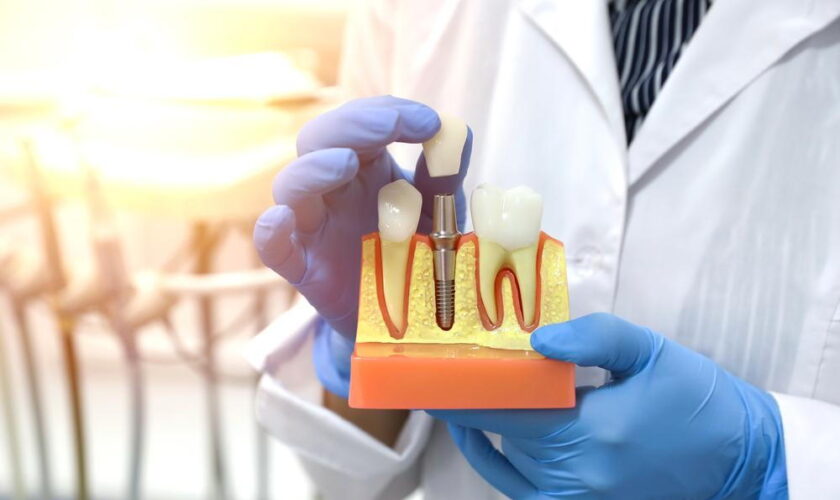
Dental implants are small posts placed into the jawbone. They act as artificial roots for replacement teeth. Made of titanium, they are biocompatible. This means the body accepts them naturally, and they integrate with the bone. Over time, the implant becomes a stable base for a crown or bridge.

The Benefits of Dental Implants

  • Long-Lasting Solution: Implants last for many years, often a lifetime, with proper care.
  • Improved Oral Health: They prevent bone loss and maintain the structure of the jaw.
  • Natural Appearance: Implants look and feel like natural teeth.

By choosing implants, one can avoid the inconvenience of removable dentures. They also help preserve the facial structure, preventing the sunken look that can come with missing teeth.

Comparison: Implants vs. Other Options

Feature Dental Implants Dentures Bridges
Durability Long-lasting Needs replacement every few years May need replacement over time
Comfort Feels like natural teeth May slip or cause discomfort Fixed but may affect adjacent teeth
Maintenance Similar to natural teeth Requires special cleaning Regular brushing and flossing

The Procedure for Getting Implants

Getting dental implants usually involves several steps. First, the dentist evaluates the mouth and jaw. They may take X-rays to check bone density. If the bone is sufficient, they proceed to place the implant.

After placement, the implant needs time to heal and integrate with the bone. This process can take a few months. Once healed, the dentist attaches an abutment. This connects the implant to the new tooth. Finally, a custom crown is placed on the abutment, completing the restoration.

Considerations Before Choosing Implants

Implants require healthy gums and sufficient bone. Those considering implants should maintain good oral hygiene. Regular dental check-ups also help ensure the health of the implants.

Some medical conditions may affect the suitability for implants. It is important to discuss these with the dentist. Smoking can also hinder healing, so it might be a good time to consider quitting. According to the National Institute of Dental and Craniofacial Research, certain chronic illnesses can impact the success of implants.

Cost and Insurance

Dental implants can be costly. However, they are a worthwhile investment for many. Insurance may cover part of the cost, but it’s essential to check specific plans. Some offices offer payment plans to ease financial burden.

Conclusion

Dental implants provide an effective and permanent solution for missing teeth. They improve oral health, appearance, and quality of life. For anyone considering implants, it’s wise to consult a general dentist. Understanding the procedure, benefits, and care ensures a successful outcome. Reliable sources like the American Dental Association provide further insights into this advanced dental option. By making informed decisions, many can enjoy the benefits of a complete and healthy smile.

read more
Dental

How to Make Family Dental Visits Fun for Kids

Visiting the dentist can be a challenging experience for kids. Yet, making it enjoyable is possible with a few simple strategies. At the Akron, OH dental practice, they believe in transforming dental visits into positive adventures for children. Creating a fun atmosphere helps ease any anxiety and builds healthy lifelong habits. Start by turning the dental visit into a storybook adventure. Encourage kids to pretend they’re explorers discovering a new world. Engage them with colorful toothbrushes and a fun tooth-themed playlist. Choose a dentist who involves kids in their care, explaining each step and showing tools before using them. Offer small rewards like stickers or a new book after the visit. Involving children in routine dental care at home can also make visits smoother. By following these steps, dental visits can become a fun, educational experience rather than a dreaded chore. This sets the foundation for a lifetime of good oral health.

Create a Welcoming Environment

Creating a welcoming environment is crucial for making dental visits enjoyable. Many clinics now design their spaces with children in mind. Bright colors, fun decorations, and play areas can set a positive tone from the start. When kids are greeted by friendly staff and playful surroundings, they are more likely to feel at ease. Consider bringing along their favorite toy or book to provide extra comfort.

Interactive Education

Education is an important part of dental care. Yet, it doesn’t have to be boring. Many dentists use interactive methods to teach kids about oral hygiene. Demonstrations using oversized toothbrushes and models can capture their imagination. This approach helps children understand the importance of brushing and flossing in a fun, engaging way. By making education enjoyable, kids are more likely to remember and practice good habits at home.

Engage Through Technology

Technology can play a key role in making dental visits more engaging. Some practices use screens to display cartoons or educational videos during procedures. This can distract kids from any discomfort and make the experience more enjoyable. Virtual reality is another tool that some clinics use to immerse children in a different world while they sit in the dentist’s chair. Engaging children through technology can transform their perception of dental care.

Make Oral Hygiene Fun at Home

Preparation for a positive dental visit begins at home. By making oral hygiene fun, kids can develop a positive attitude towards dental care. Here are some ideas:

  • Choose toothbrushes and toothpaste with their favorite characters.
  • Create a brushing chart with rewards for consistent brushing.
  • Play a two-minute song to ensure they brush for the right amount of time.

These activities can make brushing feel less like a chore and more like a game, setting the stage for stress-free dental visits.

Use Positive Reinforcement

Positive reinforcement is effective in encouraging desired behaviors. After a dental visit, praise your child for their bravery and cooperation. Offering a small reward, like a trip to the park or a special treat, can further encourage positive feelings about the dentist. This approach nurtures a positive association with dental care.

Comparison of Dental Visit Approaches

Traditional Visit Fun-Focused Visit
Clinical environment Colorful, child-friendly space
Standard procedures Interactive demonstrations
Minimal engagement Use of technology and rewards

Choose the Right Dentist

Choosing the right dentist is crucial for making visits enjoyable. A pediatric dentist, for example, specializes in working with children and understands their needs. They often have a gentle approach and communicate in a way that is easy for kids to understand. Look for dentists who are members of recognized institutions, such as the American Dental Association, to ensure quality care.

Conclusion

Making dental visits fun for kids requires creativity and planning. By creating a welcoming environment, using interactive education, engaging with technology, and ensuring fun at home, you can transform dental visits into positive experiences. Positive reinforcement and choosing the right dentist further support this goal. These efforts help children develop a lifelong appreciation for oral health, setting them up for a future of bright smiles and healthy habits.

read more
Dental

How to Choose the Right General Dentist for Your Family

Choosing the right general dentist for your family is crucial. A dentist becomes part of your family’s healthcare team, ensuring smiles stay healthy. When searching for a dentist in West Houston, TX, consider a few key factors to make the best choice. First, check their qualifications and experience. A well-trained dentist is more likely to provide excellent care. Second, look into the range of services they offer. It’s helpful if they cover routine check-ups, cleanings, and more specialized treatments. Lastly, consider their location and office hours. Convenience plays a big role in maintaining consistent dental visits. A dentist close to home or work and with flexible hours can make scheduling easier. Choosing a dentist who meets these criteria helps establish a long-term relationship. This builds trust and ensures consistent care, which is vital for your family’s oral health. Keep these points in mind when making your decision.

Understanding Your Family’s Needs

Before making a choice, understanding your family’s dental needs is essential. Different families have different requirements. Some might need pediatric care, while others might prioritize orthodontic services. By assessing your needs, you can narrow down potential dentists who can cater to specific requirements. For instance, families with young children should look for a dentist who has experience in pediatric dentistry. Understanding these needs can lead to better care and more satisfied visits.

Checking Credentials and Experience

A dentist’s credentials and experience matter. Look for a dentist who has graduated from an accredited dental school and is licensed to practice. The American Dental Association (ADA) provides resources to verify a dentist’s credentials. Experienced dentists are often more adept at handling a variety of dental issues. They have a proven track record which can be reassuring. Make sure to also consider any additional training or certifications that may be relevant to your family’s needs.

Evaluating Range of Services

Having a dentist who offers a wide range of services is beneficial. They should cover basic preventative care, such as cleanings and exams, as well as more complicated procedures like root canals or crowns. This comprehensive care ensures that you won’t need to seek multiple specialists for different needs. Check if they offer emergency services as well. This can be crucial if a dental issue arises unexpectedly. /p>

Location and Accessibility

Location plays a significant role in your decision. A conveniently located dental office can reduce travel time and make it easier to keep appointments. Consider the accessibility of the office. Is there ample parking? Is public transportation nearby? These factors can make a big difference in your routine. Accessibility ensures that all family members, including those with mobility challenges, can receive care comfortably.

Office Environment and Staff

The environment of the dental office is another important consideration. A welcoming and professional atmosphere can ease anxiety, especially for children. Pay attention to how the staff interacts with patients. Friendly and knowledgeable staff contribute to a positive experience. During a visit, observe the cleanliness of the office and the behavior of the team. This reflects the care and attention they will likely provide in dental services.

Insurance and Payment Options

Understanding the financial aspect is crucial. Confirm whether the dentist accepts your insurance plan. This can save on costs and ensure that regular visits are affordable. Ask about payment plans or discounts for uninsured services. Knowing the financial arrangement in advance can prevent unexpected expenses. The HealthCare.gov website offers additional insights into dental insurance and coverage options.

Comparison of Key Factors

Factor Importance Considerations
Location High Close to home or work
Services Offered High Comprehensive care
Experience Medium Years in practice

Trust and Comfort

Building trust with your dentist is the final step. Trust is essential for long-term care. A dentist who listens and addresses concerns fosters a trusting relationship. Comfort with your dentist can lead to better communication and care. Your family should feel at ease during visits. This comfort level is a strong indicator of a successful dental partnership.

Choosing the right dentist involves considering several key factors. By taking the time to evaluate your options, you can find a dentist who meets your family’s needs. This decision will support your family’s dental health for years to come.

read more
Dental

Financing Dental Implants Made Easy

dental veneers

There is a common perception in the United Kingdom that the pursuit of a beautiful, functional smile through treatments like dental implants is reserved only for the privileged few. Yet the evolution of cosmetic dentistry in London, along with flexible payment plans and a broader understanding of dental health’s importance, has begun to change that outlook. Financing dental implants is no longer a daunting obstacle; in fact, new opportunities are making these treatments far more accessible than many people realise. Individuals who had previously dismissed the idea of implants due to high upfront costs are discovering that they can achieve healthy, long-lasting results without sacrificing all their savings at once.

According to leading London cosmetic dentist Dr. Sahil Patel of Marylebone Smile Clinic, who has helped numerous patients regain their confidence through these treatments, it is vital to consider both the immediate and long-term value of implants. He notes that the initial investment required is often mitigated by the longevity, comfort, and health benefits of implants that, if well cared for, can last for decades. Dr. Patel suggests that patients take full advantage of the various financing options now available. By doing so, they can break down the cost into manageable segments, ensuring that the expense does not stand in the way of achieving the smile they deserve.

The Value and Benefits of Dental Implants

The growing popularity of dental implants in London can be attributed not only to their ability to restore functionality and appearance, but also to broader awareness of what it takes to maintain long-term oral health. Many individuals who have suffered from tooth loss understand that choosing well-fitted implants over less stable solutions can prevent complications, improve speech and eating habits, and protect neighbouring teeth. Dental professionals across London understand that this type of investment supports better oral health in the long term, and this improved understanding is being reflected in the variety of financing plans offered.

Patients today are often surprised to learn that dental clinics and other providers of cosmetic dentistry services in the city have developed a wide range of options suited to different financial situations. The city’s growing sophistication in healthcare finance means that individuals no longer have to approach the notion of dental implants with trepidation. Instead, they can consider a variety of payment methods, learn about new insurance policies, examine the availability of payment installments, and ultimately strike a balance between affordability and top-quality care. With the wide range of services at clinics offering dental implants London patients appreciate, it is no wonder the stigma surrounding cost is beginning to lift.

Anyone who has ventured into the world of cosmetic dentistry quickly learns that implants can be a life-changing option. They restore the structural integrity of a damaged smile, often making the individual more comfortable in social and professional situations. Yet, the one persistent barrier for many people in the past was the price tag. The concept of spreading that cost out over time through sensible financing arrangements is now making the procedure much easier to access, even for those who had never previously considered it.

Financing Options and Transparency in Dental Clinics

One of the first steps in making dental implants more accessible is ensuring that prospective patients fully understand the cost breakdown. Most implant treatments involve several stages, such as initial consultation, diagnostics, placement of the implant fixture, and the final restoration with a crown. Each of these steps carries a certain cost, but when examined closely, patients may realise that each stage can often be financed separately or as part of a comprehensive package. Clinics that specialise in cosmetic dentistry have worked to increase transparency, allowing patients to see exactly where their money is going and what measures are being taken to ensure that the treatment leads to a lifetime of benefits.

It can be reassuring to know that the cost of dental implants is influenced by the quality of materials, the skill of the dentist, and the technology used. Premium-grade implants and advanced imaging techniques often yield better outcomes. Though these can raise the initial expense, a longer-lasting and more successful result can mean fewer costly complications down the line. Armed with this knowledge, individuals considering implants can weigh the long-term savings associated with effective, quality-driven treatment against the short-term financial outlay. Financing arrangements can help spread these costs, making it possible to have a highly skilled dentist perform the procedure, rather than settling for a less reputable option simply to save money in the short run.

Contemporary financing solutions for dental implants vary widely. Some London practices offer interest-free credit arrangements for a defined period, enabling patients to pay off the treatment in manageable monthly amounts without incurring additional fees. Others may collaborate with independent finance companies that specialise in healthcare lending, providing more flexible payment terms. Some patients who already have private dental insurance plans can discover that a portion of their treatment is covered or partially subsidised, easing the financial pressure. Even if the insurer does not cover the entire cost, the existence of partial coverage can help reduce the total amount that needs to be financed. Ultimately, the array of financing tools is there to ensure patients can select a route tailored to their circumstances.

Clear Terms and Transparency

When considering these options, it is essential for patients to communicate openly with their chosen clinic. This means discussing not only the ideal clinical approach but also financial preferences, expected monthly budgets, and future career plans. For instance, someone who anticipates a rise in income over the coming years might be more comfortable with a slightly higher monthly payment, confident that future earnings will accommodate the cost. Another person might prefer to keep monthly payments as low as possible, even if it means paying off the treatment over a longer period. The key is for the patient to feel in control of their finances throughout the process and to trust that their dentist is offering the best possible guidance.

Local economic conditions in the UK capital have also played a part in changing how people view dental implant financing. London is a city of vast economic diversity, and dental clinics are well aware that patients come from a wide range of backgrounds. Providing multiple financing structures acknowledges these differences and encourages a more inclusive approach to cosmetic dentistry, ensuring that anyone who requires implants has a fair chance of accessing them. In many cases, establishing a payment plan may only require a short conversation and a few forms, rather than tedious procedures or excessive bureaucratic checks. The shift towards simplifying financing reflects the broader changes in the healthcare industry, where patient-centric solutions are becoming the norm.

Some patients may wonder if there are risks or hidden fees associated with certain financing arrangements. Reputable clinics in London are very mindful of maintaining trust and credibility, since patient satisfaction is critical for their reputation and growth. It is in the best interest of every reputable provider to keep the financing terms clear, honest, and straightforward. Patients can empower themselves by taking the time to read through any agreements thoroughly, asking questions about interest rates and potential penalties, and even seeking a second opinion if they are uncertain about the terms presented. With clear communication and a reputable provider, the financing process can become just another aspect of a smooth and supportive treatment journey.

The value of receiving dental implants becomes particularly apparent when viewed in the context of long-term oral health. Traditional dentures or bridges may provide a solution in the short term, but implants have the advantage of closely mimicking natural teeth. This means that once the implant and crown are in place, patients can chew, smile, and speak with confidence. Over time, this stability pays dividends, as the individual saves on future restorative work or adjustments. Financing thus becomes not just a matter of affording the procedure, but also a way to invest in long-lasting well-being, reducing the likelihood of future unexpected dental expenses.

Another area that has influenced financing strategies is the rapidly growing awareness of how oral health impacts overall well-being. Poor dental health can lead to nutritional problems, diminished confidence, and even systemic health issues if oral infections spread. By investing in high-quality implants and ensuring that the bite and jaw alignment are correct, patients often experience improvements beyond their mouths. Better chewing efficiency leads to more varied and nutritious diets, while enhanced self-esteem can improve mental health. Understanding these connections makes it easier to view financing as a pragmatic decision rather than an unnecessary luxury.

Regulatory Guidelines and Ethical Practices

The UK’s regulatory environment also encourages transparency and fairness in healthcare financing. Dental clinics must abide by guidelines intended to protect patients and ensure they are not exploited by predatory lending practices. Consumers should be confident that their dentist’s recommendations are driven by their best interests, not by hidden financial incentives. Reputable London practices are proud of their ethical approach and will encourage prospective patients to take their time, ask any questions necessary, and explore several options before settling on a plan. This trust-building aspect is a fundamental reason why financing is no longer a taboo subject but a sensible and widely accepted practice.

Although there are multiple paths to financing dental implants, some patients may prefer traditional funding methods. Personal savings, loans from a bank, or contributions from family members remain viable routes. However, relying solely on a single payment method may not be as efficient or cost-effective as combining resources. For example, a partial contribution from savings, supplemented by a low-interest financing plan provided by the clinic, can reduce both the overall cost and the stress of paying a large lump sum at once. The increasing sophistication of these payment models is designed to give patients a sense of flexibility and control over their financial destiny.

For those who worry about credit checks or the possibility of being turned down for financing, discussing these concerns openly with a dental professional is a crucial first step. In many instances, clinics can recommend third-party providers who specialise in helping patients with less established credit histories. Some may offer options designed specifically for healthcare needs, with a more understanding attitude towards those who may have had financial difficulties in the past. The key message here is that a lack of perfect financial circumstances should not deter someone from seeking a consultation. The world of dental implant financing has evolved to offer a lifeline to a broad spectrum of people.

As each patient’s journey is unique, it is worth remembering that the process does not end when the final implant is placed. Post-operative care, follow-up visits, and maintenance appointments are all crucial parts of the treatment cycle. These ongoing considerations may also be financed in a similar, flexible manner. Rather than worrying about covering every future expense out of pocket, patients can discuss long-term payment structures that make it easier to keep up with the recommended care regimen. By doing so, not only is the initial barrier to entry lowered, but the entire lifespan of the implant is supported by a sound financial strategy.

Exploring Diverse Payment Methods

Another factor that simplifies financing is the wealth of information readily available online. Many clinics now present detailed explanations of their financing options on their websites, allowing visitors to conduct their research before booking a consultation. Prospective patients can compare plans, read testimonials from others who have financed their implants, and even use online calculators to estimate monthly payments. This level of transparency empowers them to arrive at the clinic well-prepared, ready to engage in a productive conversation about how best to structure their investment. The ability to educate oneself privately helps alleviate any embarrassment or hesitation about discussing finances in person.

The advent of social media and online reviews has also contributed to the normalisation of financing dental care. When individuals read about others who have taken advantage of payment plans and achieved life-changing results, they feel more comfortable exploring those options themselves. This community-driven support structure, combined with the professional advice of qualified dentists, encourages patients to think of financing as a natural part of the treatment process. It removes the sense of taboo that once surrounded the subject and reframes financing as a realistic means of achieving one’s desired outcome.

While the cost of living in London can be high, the city’s dental clinics have risen to the challenge of making advanced treatments more accessible through innovative financing solutions. Those looking for dental implants London residents can trust are encouraged to engage with clinics that pride themselves on offering flexible payment structures. The pathway to a healthier, more confident smile is no longer restricted by immediate financial hurdles. Instead, it is paved with a range of options that acknowledge the complexity of modern life and seek to accommodate it.

Changing Perspectives on Dental Implant Costs

As the British public grows more sophisticated in its understanding of oral health, attitudes towards financing expensive procedures continue to evolve. By recognising that dental implants are a long-term investment in one’s health, appearance, and comfort, the upfront cost becomes easier to digest. Patients are beginning to see beyond the short-term figure and consider how implants will improve their day-to-day lives, as well as their future healthcare expenses. With flexible financing, the idea of saving up for years or compromising on quality is replaced by the prospect of starting treatment sooner, under the guidance of skilled professionals.

It is clear that the relationship between patient and dentist is changing. A more cooperative, personalised approach encourages open discussions about financial constraints and solutions. This fosters a sense of trust and respect that ultimately leads to better outcomes and a more positive overall experience. The dentist is no longer just a clinician, but also a guide and advisor, helping patients navigate both the medical and financial aspects of their treatment. The transparency and open communication that underpin this new relationship serve as a powerful incentive for individuals to take the next step towards achieving their ideal smile.

For those still unsure, it may be helpful to remember that the right dentist will never pressure patients into committing to a plan that is not suitable. Instead, they will provide information, answer queries, and help weigh the pros and cons of each financing option. The process is about empowerment rather than sales. By approaching the topic with honesty and a willingness to listen, both patient and dentist can find a balanced solution that meets the patient’s oral health goals and financial realities.

Though the media sometimes highlights the high cost of private healthcare in large cities, the day-to-day reality in many London dental clinics is quite different. Staff members, from receptionists to dental hygienists, understand that money matters can feel stressful. By training their teams to handle financial enquiries with empathy and clarity, these clinics cultivate an environment in which patients feel comfortable speaking freely about their concerns. This culture shift makes it easier than ever to ask about financing from the very first appointment, ensuring that the patient is well-informed and at ease before committing to any decisions.

Conclusion: Dental Implants in London, A Realistic Goal

As more patients realise that financing dental implants is not only feasible but also a carefully considered aspect of modern dental practice, the stigma around cost will continue to dissolve. In its place emerges a more mature understanding of how to invest in one’s health. Those who embrace this perspective are often rewarded with outcomes that surpass their expectations. When the financial hurdles are addressed and managed effectively, the patient can focus on what truly matters: achieving a stable, attractive, and healthy smile that supports overall well-being for many years to come.

In conclusion, it is now easier than ever to finance dental implants in the UK capital. The rise of patient-focused financing arrangements, combined with the professionalism and integrity of leading London cosmetic dentists, ensures that dental implants can become a realistic goal rather than a distant dream. Many individuals are already taking advantage of the flexible, transparent options available, transforming the way they think about oral health. As the trend continues, and as more clinics adopt patient-friendly financing policies, the concept of investing in a long-lasting, life-enhancing smile will become not only accessible, but standard practice. For patients eager to restore their confidence and improve their oral health, dental implants London clinics provide, backed by supportive and flexible financing, truly represent a world of opportunity.

Source: https://marylebonesmileclinic.co.uk/  – 66 Harley Street, London W1G 7HD. 02071268526.


read more
Dental

Choosing A Family Dentist Who Offers Cosmetic Services For Complete Care

Choosing the right dentist for your family is essential. It goes beyond routine check-ups and cleanings. A dentist in Whitby that also offers cosmetic services can provide comprehensive care. This combination means you have access to basic dental health and cosmetic improvements under one roof. Finding a dentist who can handle everything ensures a seamless experience, from regular maintenance to enhancements like teeth whitening or veneers. A dentist experienced in both areas can assess your family’s unique needs and tailor treatments accordingly. This holistic approach not only saves time but also fosters long-term relationships with your dental care provider. In history, the concept of a “family doctor” was popular for a reason—people valued having one trusted point of contact for their health. Similarly, a multifaceted family dentist can offer the same kind of consistent, reliable care. Investing in such a dental partnership can ensure healthy and beautiful smiles for years.

The Importance of Comprehensive Dental Care

Comprehensive dental care means a dentist looks at your overall oral health. It includes preventive, restorative, and cosmetic treatments. This approach is beneficial because it ensures no aspect of your dental health is overlooked. Regular dental visits are crucial for preventing issues like cavities and gum disease. A dentist who offers a wide range of services makes managing your family’s dental health easier.

Benefits of Combining General and Cosmetic Dentistry

Combining general and cosmetic dentistry offers several benefits:

  • Convenience: Having all services in one location saves time and reduces the need for multiple appointments.
  • Personalized Care: A dentist who knows your family’s dental history can provide more tailored treatments.
  • Consistent Quality: You can expect uniform standards of care for both general and cosmetic treatments.

These advantages help ensure both functional and aesthetic needs are met, promoting overall oral wellness.

What to Look for in a Family Dentist

When selecting a family dentist offering cosmetic services, consider the following factors:

Criteria Description
Qualifications Check for relevant certifications and experience in both general and cosmetic dentistry.
Services Offered Ensure a wide range of treatments are available, from cleanings to cosmetic procedures.
Technology Look for a practice that uses modern dental technology for accurate diagnoses and effective treatments.

Understanding Cosmetic Dental Procedures

Cosmetic procedures aim to enhance the appearance of your teeth and smile. Common options include:

  • Teeth Whitening: A simple procedure to brighten stained or discolored teeth.
  • Veneers: Thin shells placed over the front of teeth to improve appearance.
  • Bonding: Repairing chipped or cracked teeth using a tooth-colored resin.

Each procedure offers different benefits, and a qualified dentist can help decide which is best for your needs. For a detailed description of these procedures, the American Dental Association (ADA) provides helpful resources.

Maintaining Oral Health with a Family Dentist

Regular visits to a family dentist help in maintaining good oral health. These visits allow for early detection of potential issues, which can be addressed before becoming serious. A dentist who knows your family’s dental history can make informed decisions about treatments and preventive measures. This ensures everyone in the family receives care that is both proactive and appropriate.

Conclusion

Choosing a family dentist in Whitby who offers both general and cosmetic services is a wise investment in your family’s oral health. This approach provides the convenience of having all dental needs met in one place. It also allows for a personalized and consistent standard of care. By understanding the benefits and what to look for, you can make an informed decision that supports the well-being of your family’s smiles for years to come.

read more
1 4 5 6 7 8 10
Page 6 of 10