
close

Dental

Dental

How to Maintain Good Oral Hygiene with Braces?

Orthodontic braces can help correct crooked teeth, malocclusions, and other dental problems. While they can provide significant benefits, braces require careful maintenance to ensure they work effectively and maintain good oral hygiene. One can also consider contacting a dentist in Springfield, VA, for professional assistance in maintaining oral hygiene with braces. 

Food particles, plaque, and bacteria can get trapped in and around the brackets and wires, making it challenging to keep teeth clean. Poor oral hygiene can lead to gum disease, cavities, and tooth decay. It will be helpful for you to be aware of tips and techniques on maintaining good oral hygiene with braces, including proper brushing, flossing, and dietary recommendations to help keep your teeth and gums healthy and clean while undergoing orthodontic treatment.

Tips for maintaining good oral hygiene with braces: 

  • Brush regularly

When you have braces, it is crucial to brush your teeth regularly. Aim to brush at least twice daily, ideally after every meal. Use a soft-bristled toothbrush and fluoride toothpaste, and brush thoroughly and carefully around the brackets and wires. 

You may also want to use interdental brushes or a water flosser to help clean the wires and teeth. Good oral hygiene with braces can help prevent tooth decay, gum disease, and other dental problems.

  • Floss daily

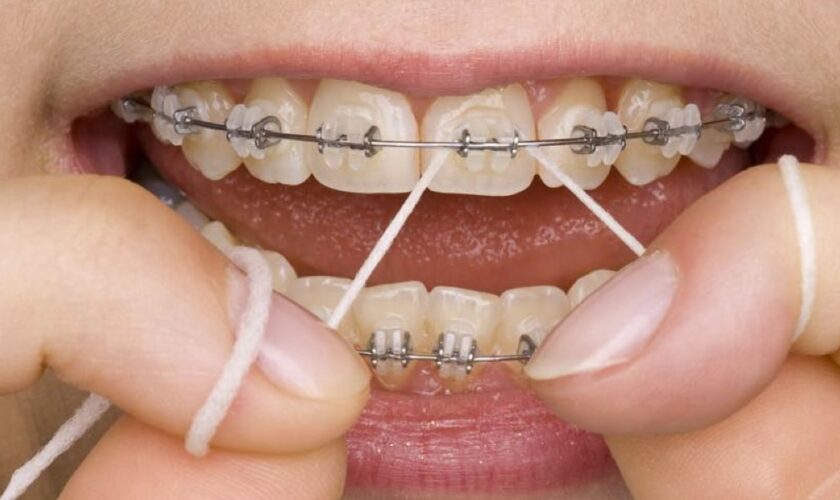
Flossing can be more challenging with braces, but removing food particles and plaque that brushing alone cannot reach is crucial. Use a floss threader or orthodontic floss to get underneath the wires and between teeth, and do it at least once a day. 

  • Avoid hard and sticky foods.

Flossing can be more challenging with braces, but removing food particles and plaque that brushing alone cannot reach is necessary. Use a floss threader or orthodontic floss to get underneath the wires and between teeth, and do it at least once a day. 

  • Wear a mouthguard

Wearing a mouthguard during sports and other physical activities is essential when you have braces. A mouthguard can protect your braces and mouth from damage during impact, helping to prevent any oral injuries that can negatively impact your oral hygiene routine. Wear a properly fitted mouthguard, and replace it regularly to maintain good oral hygiene with braces.

  • Attend regular dental checkups.

Regular dental checkups are crucial for maintaining good oral hygiene with braces. Orthodontic treatment can create more spaces for food debris and plaque to accumulate, leading to tooth decay and gum disease. 

Your dentist or orthodontist can check your teeth and gums, clean your braces, and ensure they are correctly adjusted. They can also spot problems early and provide the necessary treatment to prevent complications. Therefore, make sure to schedule your checkups as your dental professional recommends.
read more
Dental

Restorative Dental Care Options for Missing Teeth 

You might not think a lot about your missing tooth or teeth, but that can become the reason behind several other issues. A missing tooth can happen due to various reasons, like an accident, tooth decay, gum disease, or some other genetic condition. However, regardless of the underlying reason, there are different treatments available to improve the overall appearance and functioning of your mouth. 

If you have a missing tooth, it is important to get it treated and replaced with an artificial tooth as soon as possible. A missing tooth can ruin the alignment of your teeth and cause other problems down the road. It can also affect your speech, ability to chew, and integrity of the jawbone. Consult with Dedham dental restorations today. 

Restorative dental care options for missing teeth 

  • Dental implants. 

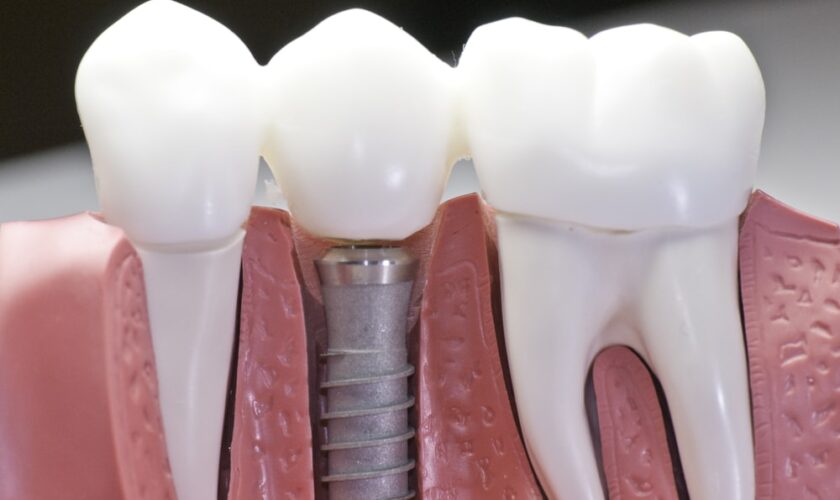
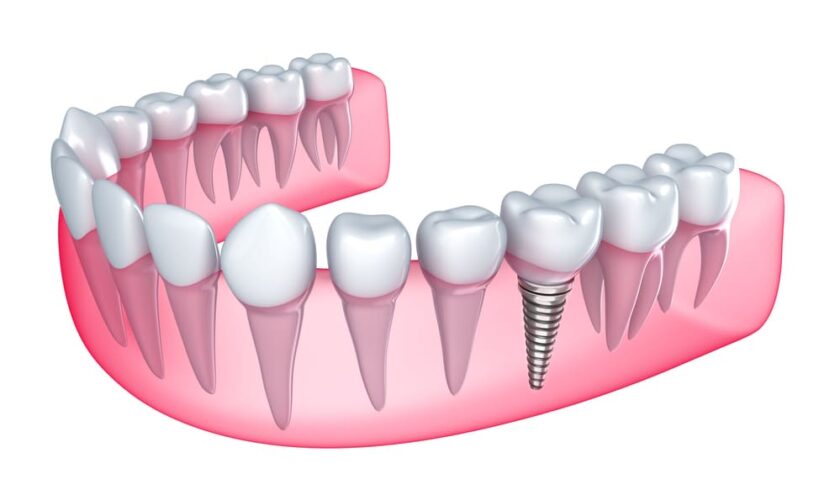
Dental implants are a popular dental procedure that can be used to replace one or more missing teeth in several areas of your mouth. The process involves mounting a titanium metal post or frame in your upper and lower jaw, and then an artificial but natural-looking tooth is mounted to the implant. The titanium metal post allows the tooth to remain fixed in its place and not move while chewing or speaking. 

  • Implant-supported bridge. 

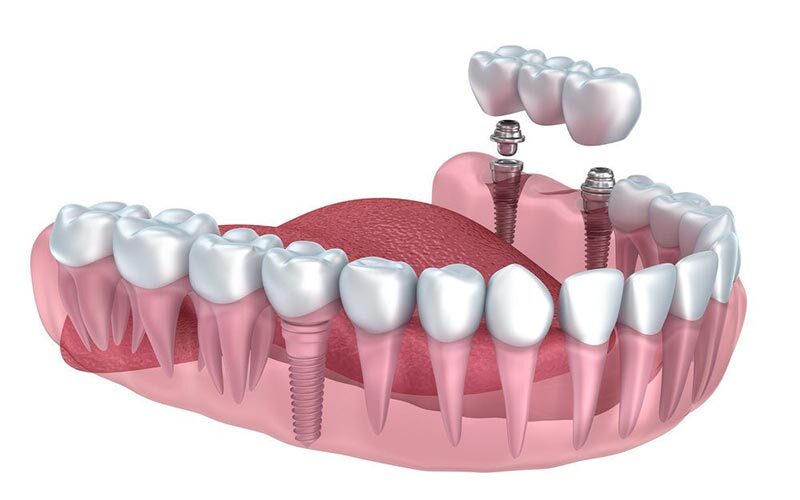
An implant-supported bridge is an ideal dental restorative option for people who have an entire row of missing teeth. This option is better than dental implants because replacing each tooth can be costly as well as time-consuming. The procedure of implant-supported bridges is similar to that of dental implants but not exactly the same. 

Here, only the two teeth at the two ends are fixed and mounted with a titanium screw, whereas the other teeth in between are not. The other teeth are held in place without the need to screw them into your jawbone. 

  • Removable partial denture. 

You may already know what dentures are. These are a set of man-made, natural-looking teeth which people with multiple teeth missing can wear. Dentures can be both removable, non-removable, partial, or in a complete set. Removable partial dentures can work when you have a small section of missing teeth and wish to remove the dentures whenever you want. This is the least expensive tooth replacement dental procedure. 

  • Flipper. 

A flipper is a temporary and removable denture that you can fix in your mouth when you need to and remove at other times. It does not require any type of metal clasp, adhesive, or surrounding teeth to remain fixed. 

read more
Dental

All You Need to Know About Dental Implants

Dental implants are medical procedures that aim to replace your damaged or decayed tooth with artificial ones that are fully functional. Dental implants are highly effective as they replace the traditional techniques of bridges. Moreover, these are considered more natural and do not give an artificial look. 

One can reach out to a dentist in Scottsdale, AZ, for dental implants and to learn more about the procedure and how it’s done. However, individuals have several misconceptions and queries about the procedure. So, we aim to clarify that for you in this post.

How is a dental implant done?

The process of a dental implant involves several steps that the doctor will conduct. It will involve the doctor assessing your teeth and gums to understand your dental structure and find if you are a perfect fit for the procedure. This may involve X-ray scans and general procedures for assessments as well.

Later, if you are fit for the procedure, your dentist will perform a procedure in which your dentist will place a titanium post in the jawbone of the missing tooth, which will later fuse with your bone to make a complete jawbone. Then your dentist will place an abutment on this titanium post, which will connect your titanium post and the prosthetic tooth that will come above it. 

Finally, the dentist will place the crown or the artificial tooth that will be made in accordance with your teeth’s size, shape, and structure.

The benefit of doing a dental implant

The benefits of doing a dental implant are numerous. Primarily, they are durable and long-lasting, which means you do not have to worry about your tooth being broken or loosening up after a while. Additionally, dental implants are natural looking and allow you to do all sorts of work that a natural tooth does, meaning you can speak, eat, and smile without pain. 

Overall dental implants are the best pick for someone looking for an alternative to typical bridges and wanting to get rid of the dying tooth. Although this might hurt a little, it Is worth the pain. Dental implants have been successful for a very long time and have helped several individuals with their smile with a success rate of 95%. To get a dental implant, reach out to our nearest dentist, and they will consult you with the best call to action.

read more
Dental

What are the Main Benefits of Teeth Whitening?

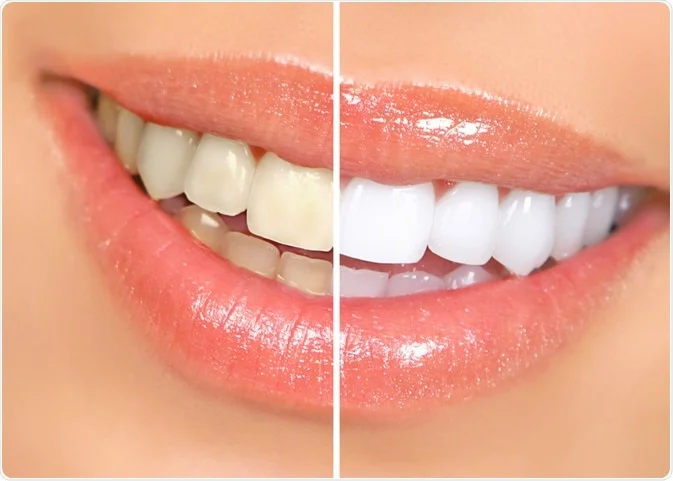
Teeth whitening is a cosmetic dental procedure used to remove surface stains on teeth that are caused by smoking, tea, coffee, and red wine. With the increasing consumption of these products and the resulting darkening of teeth due to the residue left on them, people have found themselves looking for ways to brighten their smiles. So, teeth whitening has become an essential procedure to consider for providing proper dental care for your family in Burlington, ON.

Teeth whitening is a quick, non-invasive, and painless procedure. It is applicable to anyone who desires to restore their natural teeth’ color. Plus, it doesn’t matter how much or how often your teeth are exposed to products such as wine, coffee, and medications like tetracycline. Anybody who needs a brighter smile can consider teeth whitening.

Let us now see into the top benefits of teeth whitening.

  • Boost self-esteem

A nice smile is a great boost to your self-esteem. It also makes you appear more approachable and more sociable. That is what teeth whitening gives to you. Teeth whitening is a quick, simple procedure that gives you a bright, white smile in minutes.

  • Promotes oral health

Let’s be honest, not everyone cares about their teeth, but people who have excellent teeth are considered a beautiful sight by many. It is important to keep your teeth nice and white so that you can see the smile on your face all the time. Teeth whitening ensures that your teeth are clean and stain-free by removing old stains at the same time. 

  • Enhances your appearance

Having a bright smile is one thing, but having a beautiful smile is something different. Teeth whitening not only gives you a nice and bright smile but also makes your teeth appear whiter with a natural shine. Teeth whitening is a great way to restore those smiles so that you can look confident and excited. The benefits of teeth whitening are not limited to your mouth alone. Teeth whitening will brighten your entire face of yours as well. 

  • Quick results

Teeth whitening provides you with quick and long-lasting results. The procedure of teeth whitening is also painless and has no side effects that could cause problems in the future. So, you get to look at your new smile within just a few days.

read more
DentalHealth

4 Main Reasons to Consider Teeth Whitening in Maryville

If you’re not careful, you could easily age past your prime and into a life of regret. The things you do now could be the things that completely change your life as an older person. You might want to consider teeth whitening in Maryville, TN, to stave off the effects of bad habits like smoking or drinking coffee. 

Tooth discoloration can be caused by many things. It’s also important to note that it can be permanent if you don’t take action quickly. You should consult a Maryville dentist for an oral exam. This way, you’ll know the state of your teeth and gums. A dentist can determine whether teeth whitening is needed or not.

Here are 4 main reasons to consider teeth whitening in Maryville.

  • Normal wear of the outer tooth layer

One of the main causes of tooth discoloration is the thinning of the outer layer of teeth. This thinning occurs slowly over time and usually isn’t noticeable until it’s too late. Teeth whitening will help you maintain healthy teeth for a long period of time by reducing the extent of discoloration due to normal wear of the outer tooth layer.

  • Fluorosis

Fluorosis is a discoloration of the tooth enamel caused by the ingestion of too much fluoride. It’s not a condition you can brush or floss your way out of. In fact, it only gets worse with time. Teeth whitening is one of the most effective methods to help prevent or reverse tooth discoloration due to fluorosis.

  • Teeth staining due to medications

The most common kinds of medication that stain teeth are tetracycline, aspirin and other NSAIDs, and birth control pills. Teeth whitening can help you reverse staining caused by medications.

  • Yellow or brown stained teeth due to heavy smoking or drinking coffee

Stains on the teeth can occur when you regularly smoke or drink coffee and tea. These stains are known as “tartar,” and they are very common in people who don’t visit the dentist regularly. 

Smoking is a well-known cause of discoloration of teeth. There is nicotine in each cigarette you smoke, and it gets absorbed into your gums and teeth. Over time, your teeth will become yellowish or brownish in color because of this habit. If you want to keep your teeth white, then you should ask your dentist about teeth whitening in Maryville, TN, after an oral exam.

read more
DentalHealth

Dental Implants -Expectations, Purpose, And Cost

Gaps from missing teeth are not just a light and aesthetic issue. Missing teeth can cause many problems, from gum disease to shifting teeth and bone resorption. Replacing the tooth is vital to prevent additional dental issues. You can have your dental implants from a family dentist in Bismarck, ND.

Below we have mentioned the expectations, purpose, and cost of dental implants as a permanent tooth replacement. 

Dental implants: Expectations, purpose, and cost

A dental implant is a surgical process that replaces the tooth root and fits in the jaw bone. Once healed, a secure base is formed to hook the dental restoration, such as a dental bridge, crown, or denture. 

Single dental implants can replace particular teeth. The structure of the natural teeth is created that is topped with crowns. Four to six implants are positioned and topped with dentures to replace an entire arch of teeth. 

How much do dental implants cost?

The cost of dental implants is based on the area of the mouth, type of restoration or crown, number of implants, and the area you live. Additional costs will be required if needed to prepare the mouth for implant placement. The process may include bone grafts or tooth extractions. Bone grafts will be necessary if the patient does not have adequate healthy jaw bone to affix the implant.

The estimated cost of a single tooth implant can be around $3,500 to $5,000. A full mouth dental implant may cost about $60,000 to $95,000. You should check your dental insurance plan to see if the insurance covers the treatment. 

How long do dental implants last?

The implants can last a lifetime, giving a permanent tooth replacement option, and can last lifelong with good oral hygiene, proper care, and regular dental checkups. They are fewer chances of decay and have a high success rate. The implants are permanent; however, the crown may wear down from regular use. Therefore, they are needed to replace after every 15-20 years.

Benefits of dental implants

  • Durable

Since they are secured in the jaw, an implant will provide more stability and security than other restorations. They shift in the mouth, and neither are they removable like traditional dentures. It means patients can enjoy eating their favorite foods without worries.

  • Safe

They are made up of zirconium or titanium. Both are safe for patient use and can integrate with the gums. 

  • Permanent

Implants may cost more, but their long-lasting nature ensures they do not need to be repaired or replaced.

read more
DentalHealth

5 Mistakes to Avoid When Choosing a Dentist for Complete Dental Care

A dentist is a medical professional who can make a great difference in your oral health. If you have a poor dental care regimen, you will not be able to attain overall health of mind and body. The bacteria travel in the bloodstream to the heart, lungs, liver, and other parts of the body. Digestion problems can be associated with teeth-related problems. To get the right treatment, it is strongly recommended to contact a Fort Myers, FL dentist. People make several mistakes when choosing the right dentist, and some of them are elaborated on below:

Not following the dentist’s advice

You might have visited a dentist for teeth whitening or cleaning services.  They can clean teeth having plaque buildup and other stains. However, these services do not rectify other dental problems. If a general dentist has advised you to contact a specialist for advanced dental procedures, you must follow his instructions and contact a suitable dentist. Many people simply ignore their advice.

Choosing a dentist with limited knowledge 

Before choosing any dentist, you need to ensure that he is well-versed in the dental procedure you are looking for. For instance, you should not select someone who is not well-trained and skilled in dental implants if this is your requirement. It is important to learn about it beforehand so that you don’t have any issues at the later stage.

Budget is more important than services 

We all want to spend less money and get a wide range of services. However, some dental procedures are expensive. You should not give more preference to the budget than the quality of services. If you receive the desired results, you may not see a dentist for a long time. On the other hand, If the services were not up-to-the-mark, you will have to visit a dentist again, and you will end up paying more money.

Ignoring the dental insurance altogether

Many people visit the nearby dentist because they don’t want to put in an effort to look for one who is enlisted on their network of dentists in the dental insurance. It is one of the common mistakes made by most people. You should always look for a dentist who is on the list of dentists for your dental insurance. It can save you a lot of money and effort.

By following these tips, you will be able to make the right decision to choose a dentist. 

read more
DentalHealth

How can a Fort Lauderdale cosmetic dentist help you?

A cosmetic dentist, also known as an esthetician, is an oral health professional who works to improve a patient’s appearance and self-esteem. The goal of cosmetic dentistry is to change the appearance or function of a person’s teeth. A cosmetic dentist is a sculptor who designs your ideal smile using the best-of-the-best dental techniques and technologies. A Fort Lauderdale cosmetic dentist can transform your teeth into a bright white smile by using the latest technology.

Apart from improving your smile and giving you dental makeovers, they can help you in various other ways:

  • In addition to cosmetic dentistry, general dentistry can be provided by cosmetic dentists as well. This includes more than just the appearance of your teeth but also your overall oral health. General and cosmetic dentistry place a high priority on preventing and/or treating gum disease, which is characterized by inflamed or bleeding gums, sensitive teeth, missing teeth, and bad breath. A few other common general dentistry procedures are:
  • Dental fillings are used to treat various types of cavities or decay on teeth, as well as to repair damaged or cracked teeth.
  • Dental crowns are used to repair teeth with extensive damage or decay. Crowns are also used to conceal cosmetic imperfections.
  • General dentists remove decayed teeth when they cannot be repaired. Other times, such as with wisdom teeth, an impacted tooth that is unable to break through the gum barrier may also require extraction.
  • Braces are used to align teeth, relieve jaw discomfort, and improve aesthetics.
  • Dental anxiety, or dental fear, is estimated to affect many people, and dentist phobia is one of the top phobias in the world. Your cosmetic dentist can support your dental care needs with sedation dentistry to ease dental anxiety and fear of needles. Not only is this a great option for generalized anxiety, but also for those with sensitive gag reflexes or a low pain threshold.
  • Dentures that fit loosely or missing teeth can be corrected with dental implants, resulting in a natural, beautiful smile. Dental implants are surgically inserted into your jawbone and function as anchors for artificial teeth.  
  • Dental implants are a great solution for those with a missing tooth, healthy gum tissue, a jawbone that is no longer growing, adequate bone strength, no existing conditions that will interfere with bone healing, inability, or a lack of desire to wear dentures, or speech impairment in general.

Want to Take That Next Step?

With cosmetic dentistry, you can replace old and worn-out teeth with new ones with a vibrant appearance. Most people do not know about the reliability of cosmetic dental treatments, but these treatments are for those who want to change their appearance in order to look more attractive. 

read more
DentalHealth

Facts and Procedures of Dental Crowns in Winnipeg

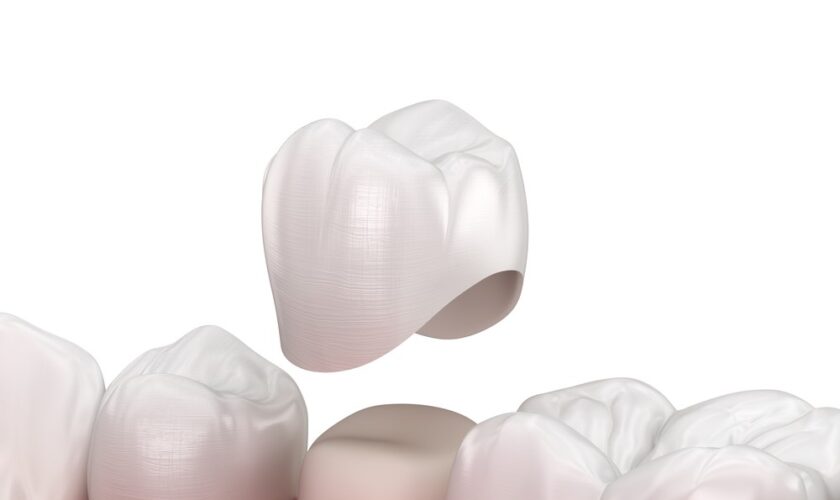
Dental crowns, commonly known as ‘caps,’ are a popular option for restoring teeth that have been broken, chipped, or fractured. Specialists use porcelain dental crowns to seal and protect teeth that have turned weak by illness or have undergone endodontic treatment, such as a root canal. You must see a Winnipeg dental crowns specialist and get the best ones done for yourself.

Porcelain dental crowns, unlike porcelain veneers, which only cover the front surface of a tooth, are meant to cover the complete tooth, providing unparalleled protection and a stunning cosmetic impression. 

When Should You Get a Dental Crown?

Dental crowns are not only for cosmetic purposes but also typical for restorations. For the following reasons, your doctor can prescribe dental crowns.

1) For the sake of a tooth that is about to fracture

2) To repair a broken tooth

3) To disguise discolored or poorly shaped teeth

4) After a root canal treatment, to treat a tooth

5) As a securing element for a dental bridge

6) As a tooth’s cosmetic improvement

7) To secure a dental implant

What is the traditional dental crown procedure?

Traditional crowns usually necessitate two dental appointments. The first visit is to prepare the tooth for the crown, and the second is for placing the crown permanently.

-X-rays will be taken during the initial visit to inspect the roots of the tooth receiving the crown and the surrounding bone. 

-This data is utilized to select the optimum restoration option. The dentist must first prepare the tooth by removing sections of the chewing surface and the sides of the tooth before placing the crown. 

-To prepare the teeth for the crown, this contouring procedure is required.

Convenient CEREC Crowns

If the above traditional crown method seems cumbersome, some dental centers now offer CEREC crowns, which may be manufactured and fitted in one day! CEREC technology is a CAD breakthrough that allows patients to forgo lab work and have a complete restoration prepared and installed in the same appointment. The restorations are made of tooth-colored ceramic and are entirely natural in appearance and plaque resistant.

Conclusion:

Dental operations, such as crowns, leave material behind the gums, increasing pathogen levels, inflammation, and gum disease. Cutting teeth for crowns has been shown in studies to increase the likelihood of a root canal being required. Hence choose your specialist wisely.

read more
DentalHealth

All You Should Know About Endodontic Re-Treatment

Sometimes you can get a root canal treatment hoping that the pain will go away, but it turns out that your problems have just begun. Even when the nerve has been removed, the tooth still doesn’t heal as expected. At this point, you worry that you might lose the tooth. After the root canal has healed, the discomfort you feel shows that the tooth needs Brooklyn endodontic re-treatment services. The dentists here performs more advanced treatments to save teeth at risk of infection. All you need to know about endodontic retreatment is discussed below.

Why does the root canal fail?

A root canal can fail due to unexpected development or structural abnormality. It can also fail when the previous treatment does not remove all the infections on-site or if the tooth gets infected again. Some symptoms of infection include pimples on the gum, tooth discoloration, and swelling. If you notice these symptoms, report immediately to your endodontist to prevent the infection from spreading to the other teeth. 

How does endodontic re-treatment work

The process begins with a full exam. Your endodontist administers anesthesia so that he can open the treated tooth. Your provider will remove the crown or filling to access the root canal material and check all the tooth parts to identify the cause of the problem.

After removing the root canal filling material, your endodontist cleans all the canals. With the help of special lighting and magnification, your endodontist will look for other canals or infections that require treatment. The infected part is removed, and the canal is treated again. The final step involves placing a temporary filling on your tooth to close it. You can wear a crown home after the process.

How to prevent root canal failure

The best thing you can do to prevent your root canal from failing is follow all your home care instructions. It will help if you do not chew or eat on that tooth immediately after treatment. If you want to bite on the tooth and it doesn’t have a permanent crown, you can break the tooth or cause some cracks. This can cause the root canal to fail.

Recurrent tooth decay can also cause a root canal to fail. Even when the tooth is not alive, its enamel can develop cavities. It would be best if you always practice oral hygiene around the treated tooth and its crown to prevent these decays from developing.

Another thing you have to do is to visit your endodontist regularly. The dentists are also trained to do a root canal procedure, but more complex cases are better off done by a specialist. An example is a tooth with curved or twisted roots. Specialists have advanced equipment to treat complex root canal conditions.

If you notice some root canal symptoms stated above, don’t hesitate to visit your dentist and they may refer you to an endodontist. Endodontists in Brooklyn City Dental are offering you a second chance to save your previously treated tooth with a root canal. Take action and call them today to get endodontic re-treatment.

read more
1 7 8 9 10
Page 9 of 10