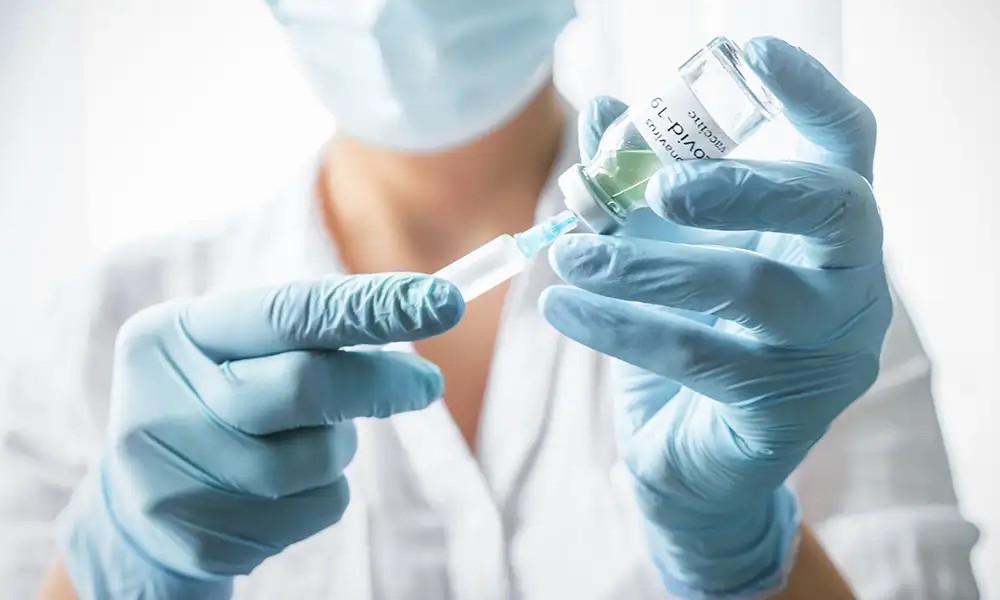
COVID-19 vaccine nursing education remains one of the most practically important areas of immunization knowledge for clinicians today. The COVID-19 vaccines represent one of the most extraordinary achievements in modern medicine and one of the most intensively studied medical interventions in history. Yet vaccine hesitancy continues to influence patient decisions, and nurses – as trusted sources of health information – face daily questions about vaccine safety, efficacy, and recommendations. Completing continuing education for nurses in vaccine education builds the foundation for confident, accurate immunization counseling.
COVID-19 Vaccine Types: Understanding the mRNA Vaccine Mechanism and Others
Several distinct vaccine technologies were deployed against COVID-19, each with different mechanisms relevant to COVID-19 vaccine nursing education:
mRNA vaccines (Pfizer-BioNTech and Moderna) employ the mRNA vaccine mechanism to deliver genetic instructions for producing the SARS-CoV-2 spike protein. Host cells temporarily produce this protein, triggering an immune response without introducing live virus. Critically, mRNA does not enter the cell nucleus and cannot alter DNA – a point central to dispelling common misconceptions.
Adenoviral vector vaccines (Johnson & Johnson/Janssen) use a modified adenovirus as a delivery vehicle for spike protein instructions, triggering a similar immune response.
Protein subunit vaccines (Novavax) deliver actual spike protein fragments along with an adjuvant – a more traditional technology similar to hepatitis B and shingles vaccines.
Updated formulations targeting circulating variants have been developed and approved as the virus has evolved, requiring nurses to stay current with changing ACIP vaccine recommendations.
COVID Vaccine Efficacy and Real-World Effectiveness
Vaccine efficacy nursing communication must be grounded in what the data actually shows. Clinical trials for authorized COVID-19 vaccines demonstrated high efficacy against severe disease, hospitalization, and death. Real-world effectiveness data from hundreds of millions of vaccinated individuals confirmed these outcomes.
Accurate patient communication includes: vaccines are primarily designed to prevent serious illness, not all infection. As new variants have emerged, protection against infection has been bolstered by updated vaccine formulations. The benefits – reduced hospitalization and death across all age groups – have been consistently demonstrated, including in immunocompromised individuals, though immune response may be less robust in this group.
COVID Vaccine Safety Monitoring: VAERS and Beyond
COVID vaccine safety monitoring is among the most rigorous in vaccine history. Systems including the Vaccine Adverse Event Reporting System (VAERS), the Vaccine Safety Datalink (VSD), and international equivalents have continuously tracked safety signals.
Common COVID vaccine side effects – injection site pain, fatigue, headache, myalgia, chills, and low-grade fever – typically resolve within 1-3 days and reflect active immune engagement, not infection.
Serious events identified through surveillance include myocarditis and pericarditis following mRNA vaccination, observed at very low rates primarily in young males after the second dose. The vast majority are mild and resolve without significant intervention – and the risk of cardiac complications from COVID-19 infection itself is substantially higher.
Nurses providing immunization counseling must address these known safety data accurately and within proper context, rather than minimizing them or allowing misinformation to fill the gap.
Vaccine Hesitancy Nursing Strategies
Vaccine hesitancy nursing strategies are clinical skills as important as any technical competency. Patients with questions about COVID-19 vaccines deserve nurses who listen without judgment, answer questions honestly, and acknowledge scientific uncertainty where it exists.
Motivational interviewing techniques – exploring the patient’s own knowledge and concerns, affirming autonomy, and providing accurate information in response to specific questions – consistently outperform directive information delivery. Nurses who avoid dismissing concerns while providing accurate counter-information build the trust needed for meaningful immunization conversations.
Staying Current with ACIP Recommendations
ACIP vaccine recommendations for COVID-19 are updated regularly as the epidemiological situation evolves and new vaccine formulations become available. Nurses who complete nursing CEU immunization and online CE vaccine education courses stay current with recommended schedules, priority populations, and updated formulations – ensuring that their immunization counseling reflects the best available evidence rather than outdated information.